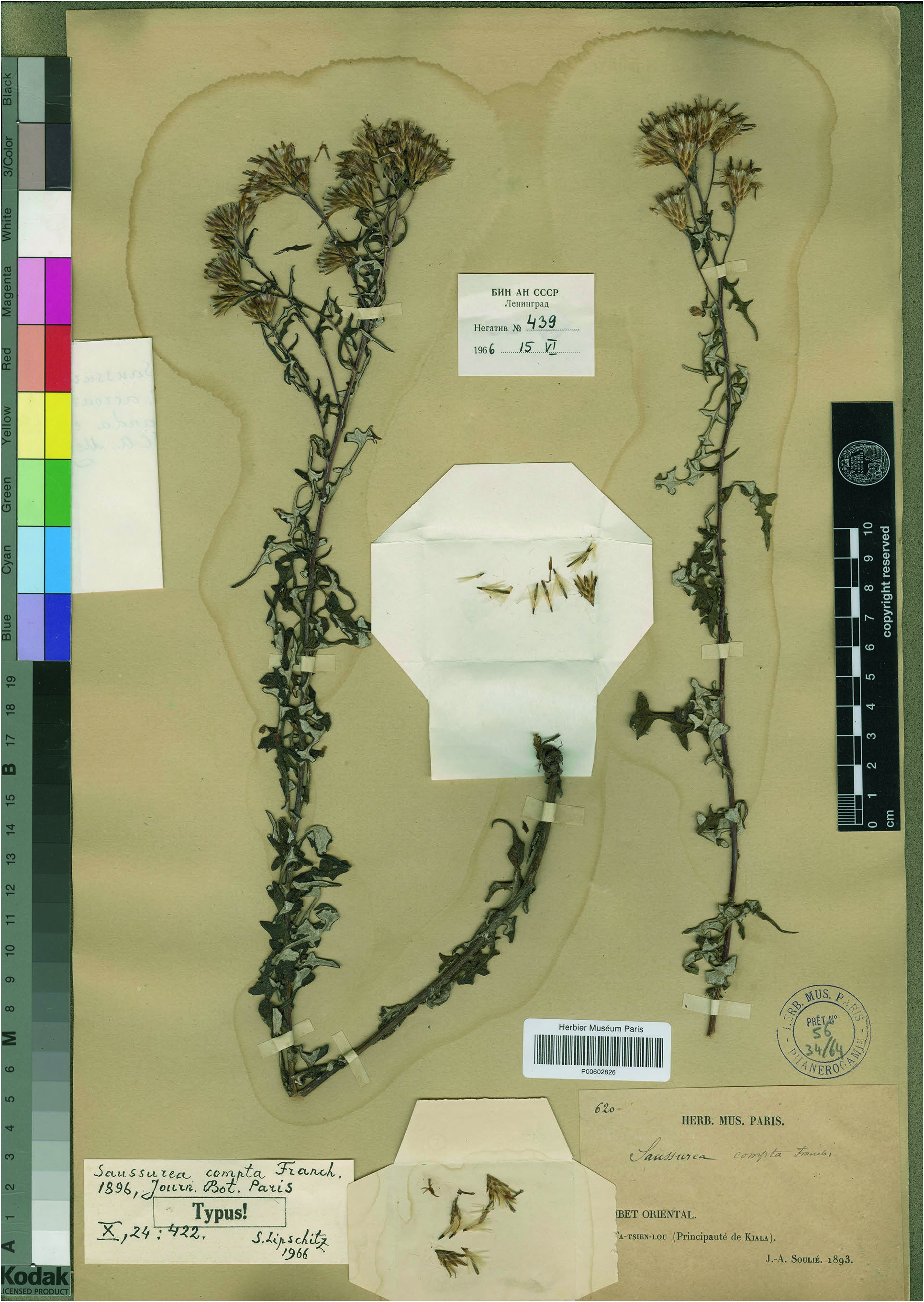
smallflower desert-chicory
Pyrrhopappus pauciflorus (D.Don) DC.

Pyrrhopappus pauciflorus, known as smallflower desert-chicory, is an annual plant in the Asteraceae family. It is native to the southern U.S. and northern Mexico, growing in prairies, clay soils, and disturbed areas. The plant ranges from 5 to 80 cm in height, with sparsely to densely hairy stems and lobed leaves. It produces 1 to 7 flower heads in a loose arrangement, with reddish brown cypselae and a pappus for seed dispersal. Chromosome number is 2n = 12.
Description
Pyrrhopappus pauciflorus is an annual species, occasionally persisting, with stems that branch from the base or upper parts. Leaves are 1-5, with proximal ones oblanceolate to lanceolate and distal ones lanceolate, often pinnately lobed. The heads are arranged in loose, corymbiform arrays, with involucres 16-22 mm long and 13-21 phyllaries. Florets number 50-60, with anthers 3.5 mm long. Cypselae are 4-5 mm long with beaks of 7-9 mm and pappi 7-9 mm. The species is found in Arizona, New Mexico, Texas, and several Mexican states, including Coahuila, Chihuahua, and Jalisco. It was first described in 1838.
Other common names
Texas false dandelionsmallflower desert-chicory
Distribution
Arizona · Puebla · Nuevo León · México State · San Luis Potosí · Chihuahua · Durango · Sonora · Jalisco · New Mexico · Coahuila · Tamaulipas · Texas · Mexico Central · Mexico Northeast · Mexico Northwest · Mexico Southwest
Synonyms
Chondrilla intybaceaPyrrhopappus geiseriPyrrhopappus multicaulisChondrilla paucifloraSitilias sessaeanaPyrrhopappus multicaulis var. multicaulisSitilias multicaulisChondrilla sessaeanaPyrrhopappus sessaeanusSitilias pauciflora