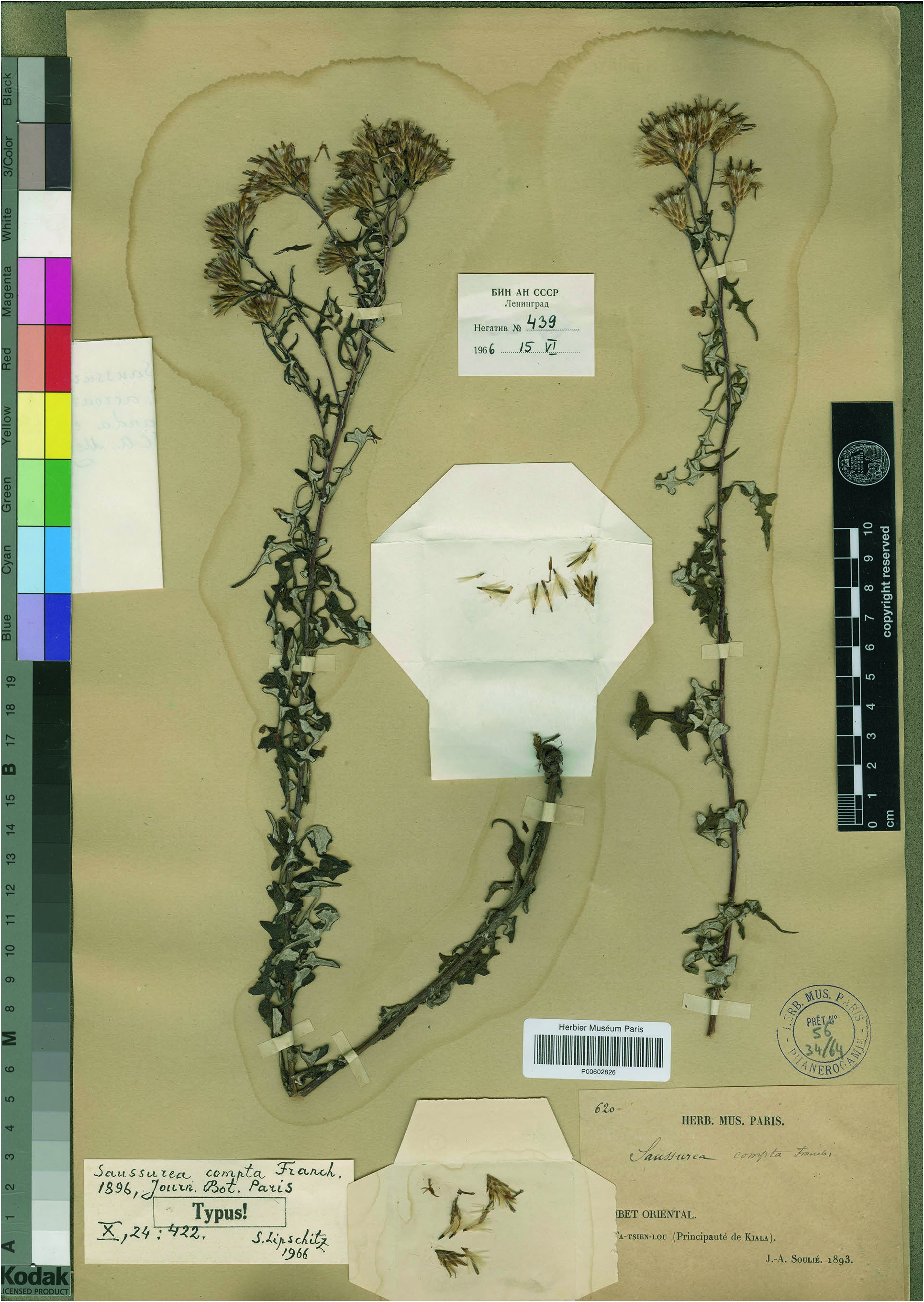
Carolina desert-chicory
Pyrrhopappus carolinianus (Walter) DC.

Pyrrhopappus carolinianus, known as Carolina desert-chicory or Texas dandelion, is an annual species in the Asteraceae family. Native to the eastern and southeastern United States, it grows in open grasslands and along wet roadsides. It blooms from spring until frost, with flower heads tracking the sun throughout the day.
Description
Pyrrhopappus carolinianus is an annual plant that may sometimes persist. It typically grows between 20-50 cm tall, with branching stems and lanceolate leaves. The plant produces 1-5 flower heads in a loose, corymbiform arrangement. The involucres are cylindrical to bell-shaped, and the phyllaries number 16-21. The florets range from 50-150, with anthers measuring 2.5-3.5 mm. The cypselae are reddish brown, 4-6 mm in body length, with beaks of 8-10 mm and pappi of 7-10+ mm. Chromosome number is 2n = 12.
Other common names
Carolina desert-chicoryCarolina false dandelion
Distribution
Virginia · West Virginia · Alabama · Arkansas · Georgia · North Carolina · Montana · Pennsylvania · Tennessee · Nebraska · Florida · Kansas · Texas · South Carolina · TW · Maryland · Mexico Northeast · Missouri
Synonyms
Barkhausia carolinianaSitilias carolinianaSitilias caroliniana f. carolinianaPyrrhopappus georgianusScorzonera pinnatifidaPyrrhopappus carolinianus var. maximusPyrrhopappus carolinianus var. carolinianusPyrrhopappus carolinianus var. georgianusLeontodon carolinianusChondrilla laevigata