Dinizia jueirana-facao
Dinizia jueirana-facao G.P.Lewis & G.S.Siqueira

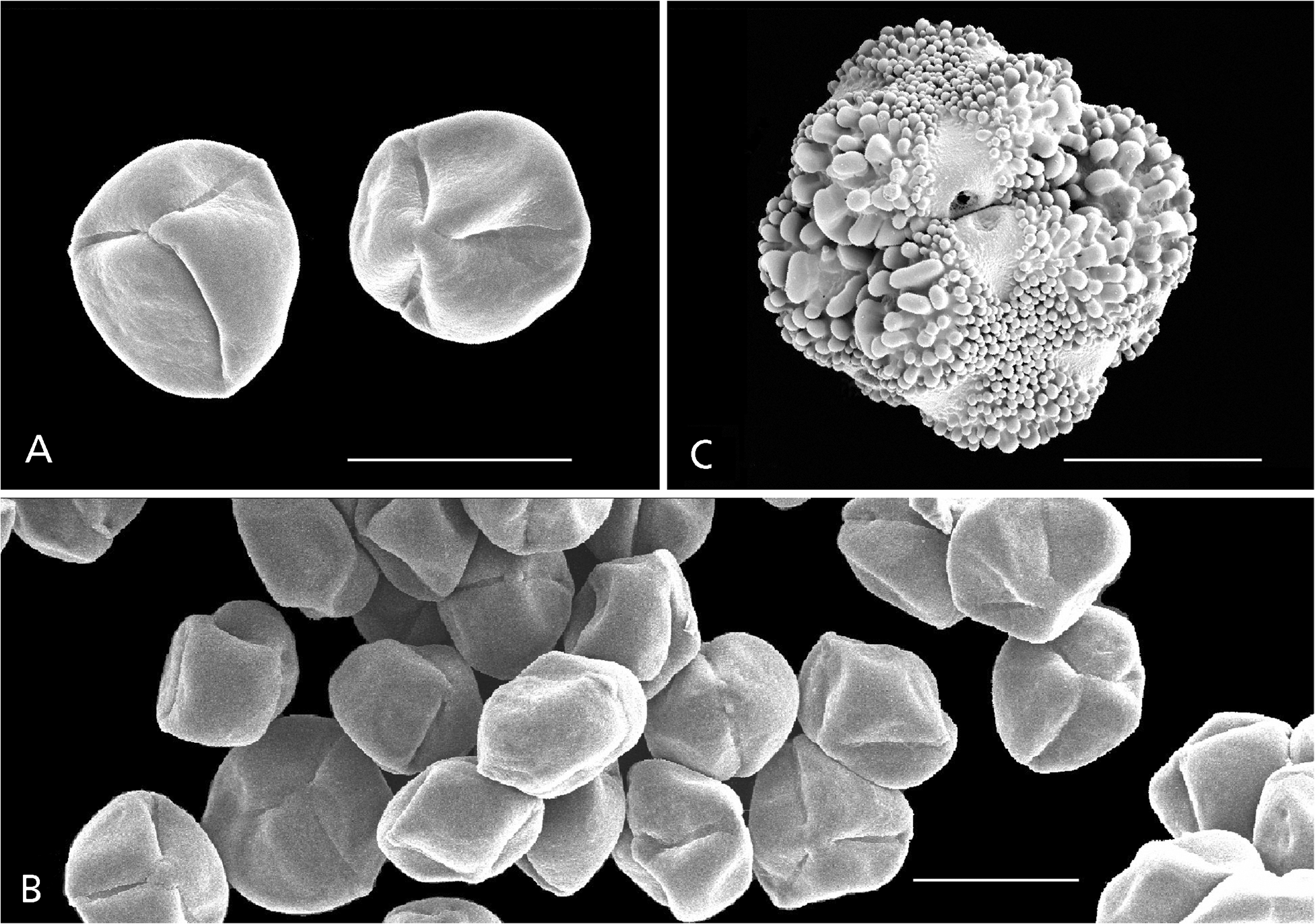
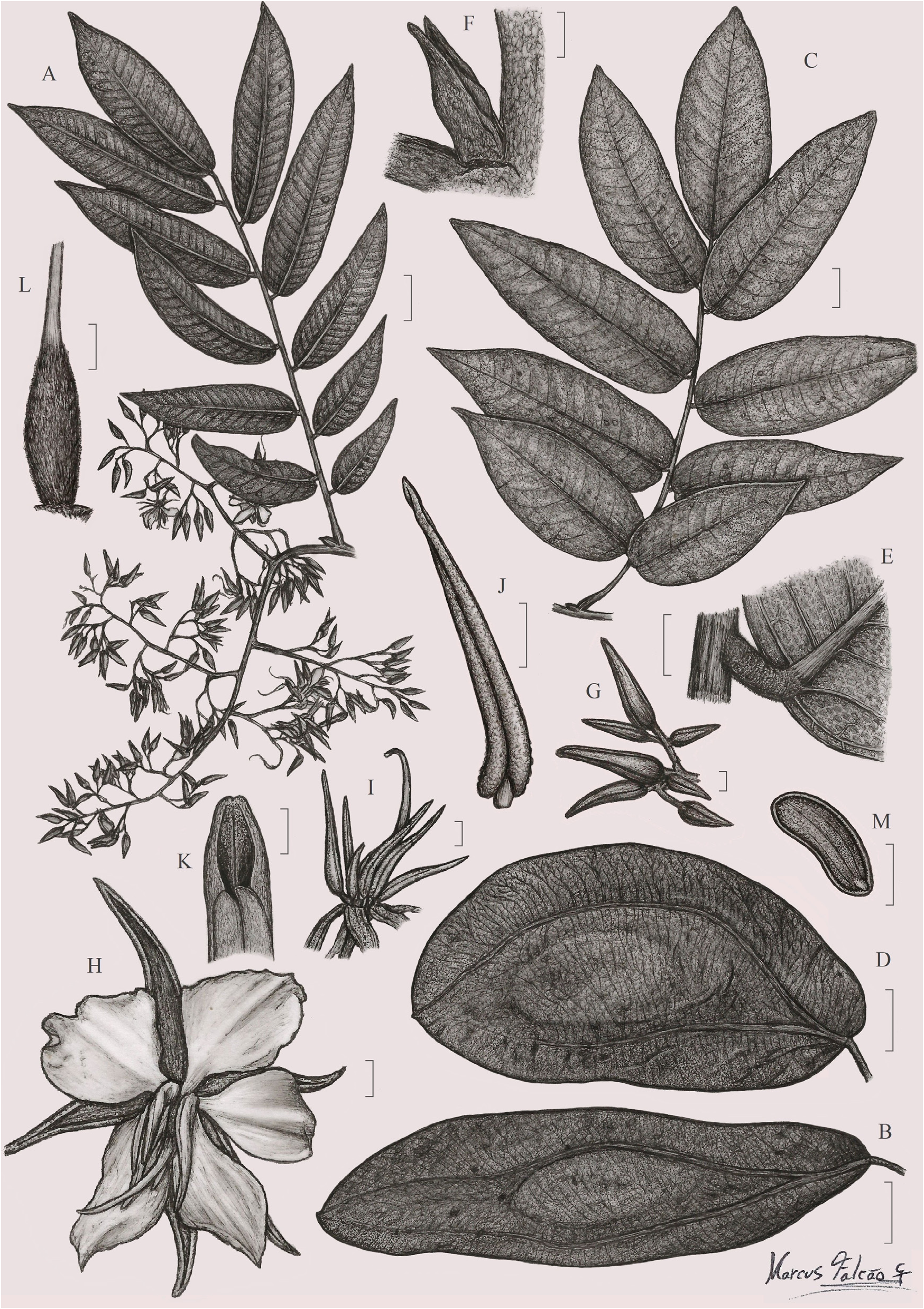
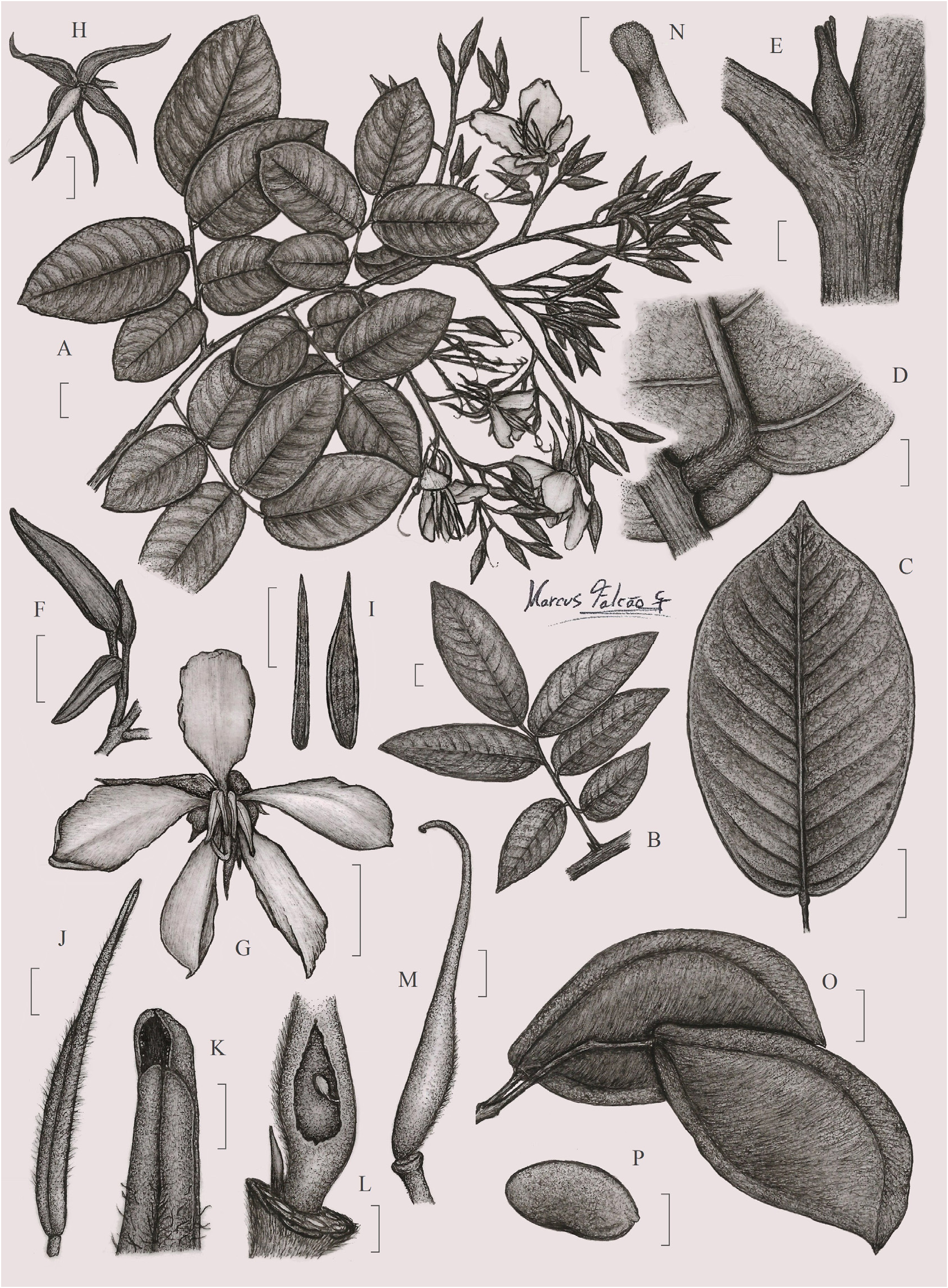
Dinizia jueirana-facao is a critically endangered canopy-emergent tree species in the Fabaceae family, native to the Atlantic Forest of Espírito Santo, Brazil. It is distinguished by its large size, glabrous leaflets in 9–24 pairs per pinna, and woody dehiscent fruits. The species is known from fewer than 25 trees, with only one population within a protected area. It differs from its sister species, D. excelsa, in several morphological traits, including larger racemes, flowers, and seeds, as well as monad pollen. The species name derives from the local name 'jueirana-facão', which references the machete-like appearance of its fruits.
Description
Dinizia jueirana-facao is a tall, unarmed tree reaching up to 40 m in height, with a trunk up to 22 m tall before branching and a breast height diameter up to 1.56 m. It is found in semi-deciduous forest and mata ciliar at elevations of 40–150 m in Espírito Santo, Brazil. The species is characterized by bipinnate leaves with 15–19 pinnae and leaflets in 9–24 pairs per pinna, glabrous on both surfaces. Its flowers are 8.5–10 mm long, and the woody fruits dehisce along both sutures. The species is critically endangered, with fewer than 25 known individuals, and is distinguished from D. excelsa by larger floral and fruit structures and monad pollen. The name 'jueirana-facão' reflects the local recognition of the tree's unique fruit morphology.
Distribution
BR · Global · Brazil Southeast