Zamia roezlii
Zamia roezlii Regel

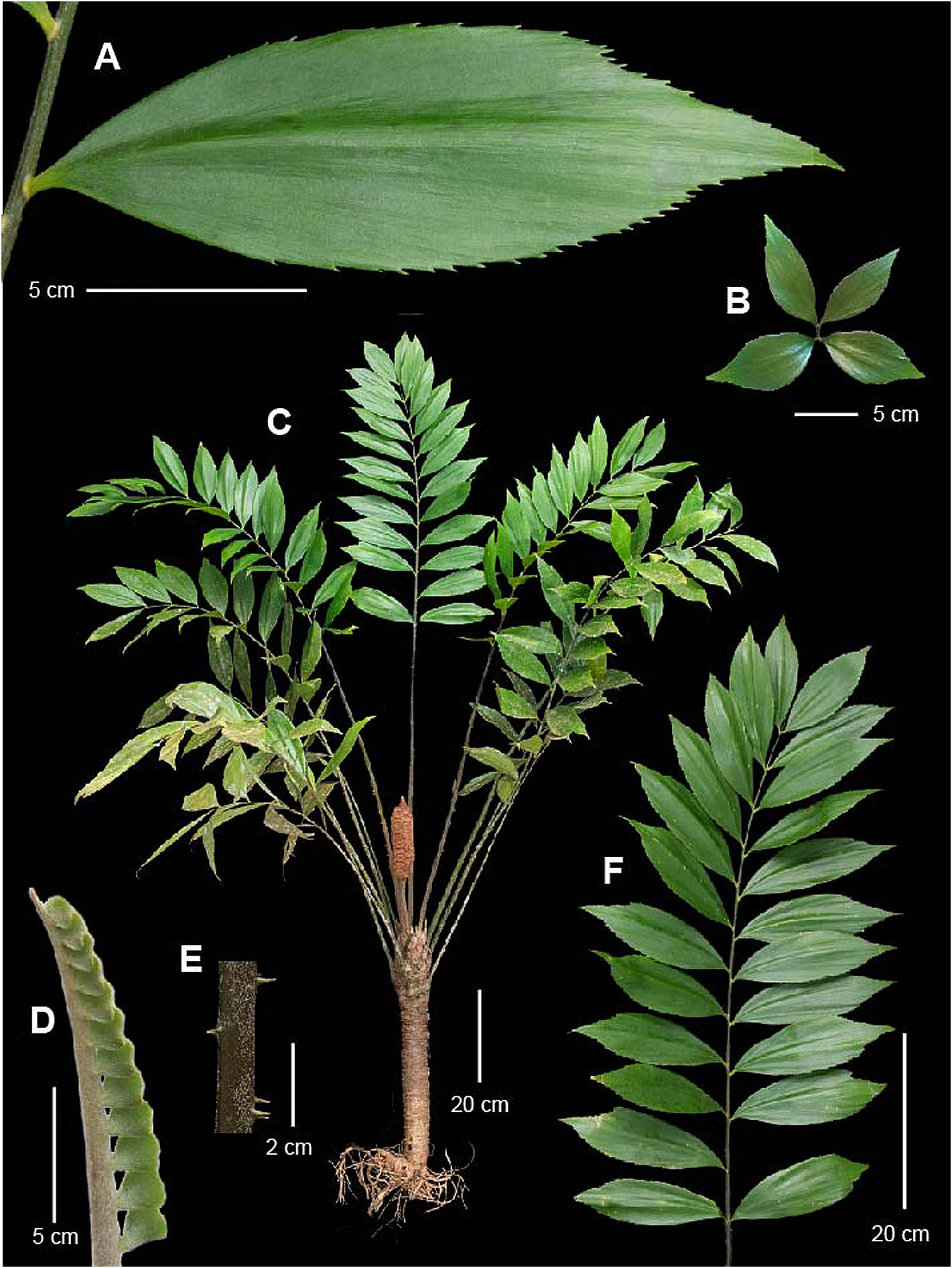
Zamia roezlii is a cycad in the family Zamiaceae, native to Colombia and the Pacific coast of Ecuador. Named after botanist Benedikt Roezl, it is notable for having the world's largest plant sperm cell, measuring 0.4 mm in length and propelled by 40,000 cilia. The plant can grow up to 7 m tall, with fronds reaching 3 m in length and leaflets up to 50 cm long and 15 cm wide.
Description
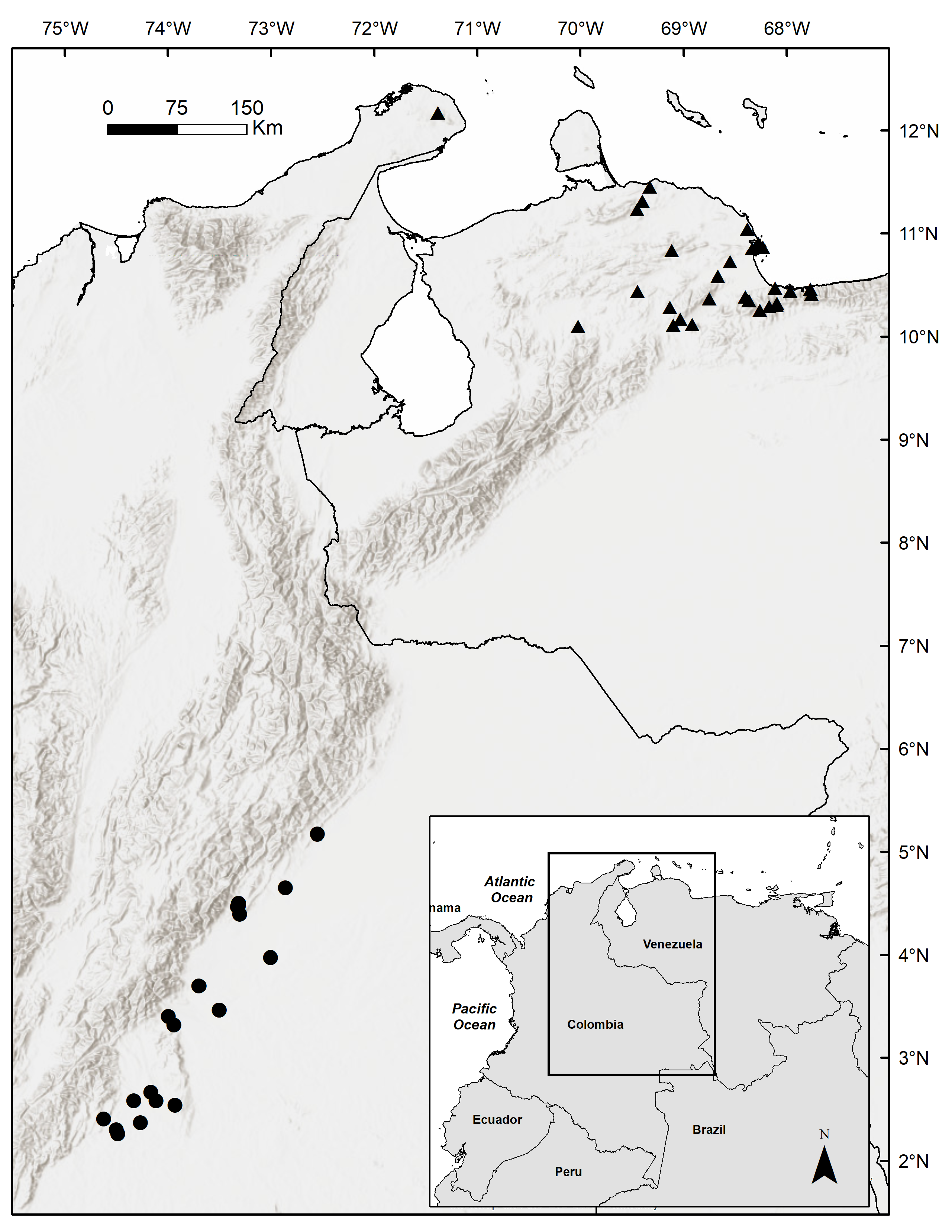
Zamia roezlii, a member of the genus Zamia, is found in regions such as Valle del Cauca, Parque Nacional Natural Uramba Bahía Málaga, Chocó, Nariño, and other parts of Colombia and Ecuador. It is a pachycaulous, palm-like cycad with a robust trunk. Its reproductive biology is notable for its exceptionally large sperm cell, visible to the naked eye. The species was first described in 1873 by Regel. Its fronds are large, with leaflets measuring up to 50 cm in length and 15 cm in width, contributing to its distinctive appearance in its native habitat.
Distribution
Valle del Cauca · Parque Nacional Natural Uramba Bahía Málaga · South America · Chocó, Nariño, Valle · Global · Colombia · Ecuador
Synonyms
Aulacophyllum roezlii