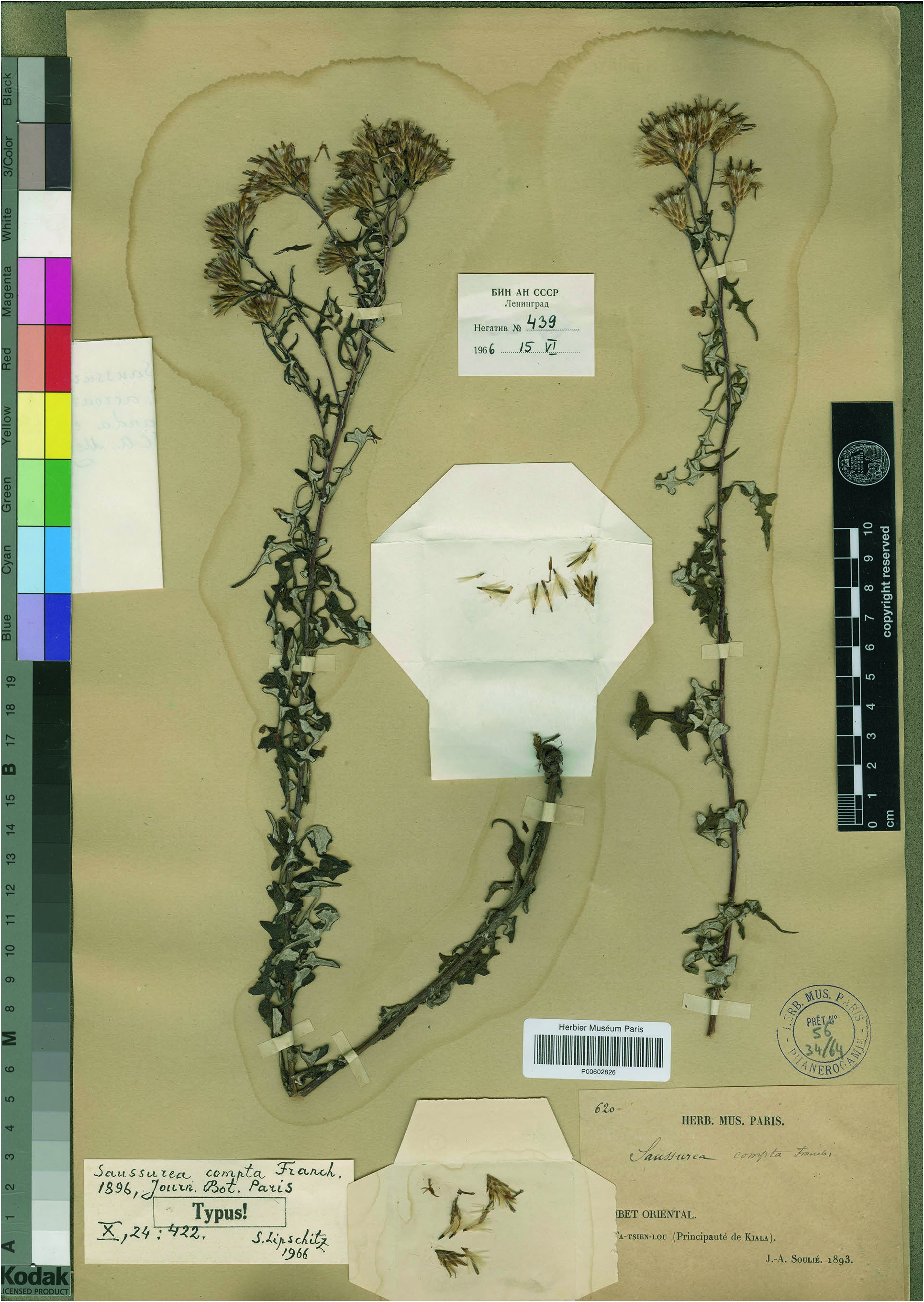
Turkish hawksbeard
Crepis nicaeensis Balb.

Crepis nicaeensis, known as Turkish hawksbeard or French hawk's-beard, is a biennial or annual herb in the Asteraceae family. Native to Europe, it has also been naturalized in parts of North America. The plant can grow up to 110 cm tall, with a single, erect stem and a taproot. It produces yellow flowers and is characterized by its distinctive leaf and involucral bract morphology.
Description
Crepis nicaeensis is a herbaceous plant that can reach heights of 25 to 110 cm. It typically has a single, erect flowering stem that is pale green, often tinged red at the base, and is hispidulous. The leaves are narrow, with lower leaves being obovate, runcinate, and sometimes toothed, while upper leaves are more narrowly obovate and may have auricles. The inflorescence is corymbiform, with 2 to 15 flower heads. Each head contains 50 to 60 yellow ligulate flowers, with a corolla length of 10 to 11 mm. The involucre is campanulate, with linear outer bracts and linear-ovate inner bracts. The achenes are fusiform, brown, and have 10 ribs, with a white, caducous pappus.
Habitat
Crepis nicaeensis is native to a wide range of European countries and has been introduced to parts of North America. It typically grows in a variety of habitats, including meadows, roadsides, and disturbed areas. It is well adapted to temperate climates and can thrive in both moist and dry conditions, as long as the soil is well-drained.
Cultivation
Crepis nicaeensis is not commonly cultivated for ornamental purposes but can be grown in gardens that mimic its natural habitat. It prefers full sun to partial shade and well-drained soil. The plant is relatively easy to grow from seed and does not require much maintenance. It is best suited for naturalistic planting schemes or wildflower gardens where it can add a splash of yellow color during the flowering season.
Uses
Crepis nicaeensis is primarily of interest to botanists and horticulturists due to its ornamental value and ecological role in native habitats. It is not typically used for culinary or medicinal purposes. In some regions, it may be considered a weed in agricultural settings due to its ability to colonize disturbed soils. However, it plays a beneficial role in supporting pollinators and contributing to biodiversity in natural ecosystems.
Other common names
Turkish hawksbeard
Distribution
Czechoslovakia · Czech Republic · Slovakia · Spain · Romania · Great Britain · North Caucasus · France · Montenegro · Vermont · Turkey · Poland · Denmark · Northern Ireland · Sweden · Ohio · Germany · Michigan · Italy · Hungary · Massachusetts · British Columbia · Washington · Bulgaria · Albania · Serbia · Croatia · Switzerland · Belgium · The Netherlands
Synonyms
Crepis nicaeensis var. integrifoliaCrepis nicaeensis var. laevisquamaCrepis nicaeensis var. tephrolepisCrepis nicaeensis var. scabricepsCrepis flexuosaCrepis nicaeensis var. nicaeensisCrepis nicaeensis var. integrifoliaCrepis adenanthaBrachyderea nicaeensis