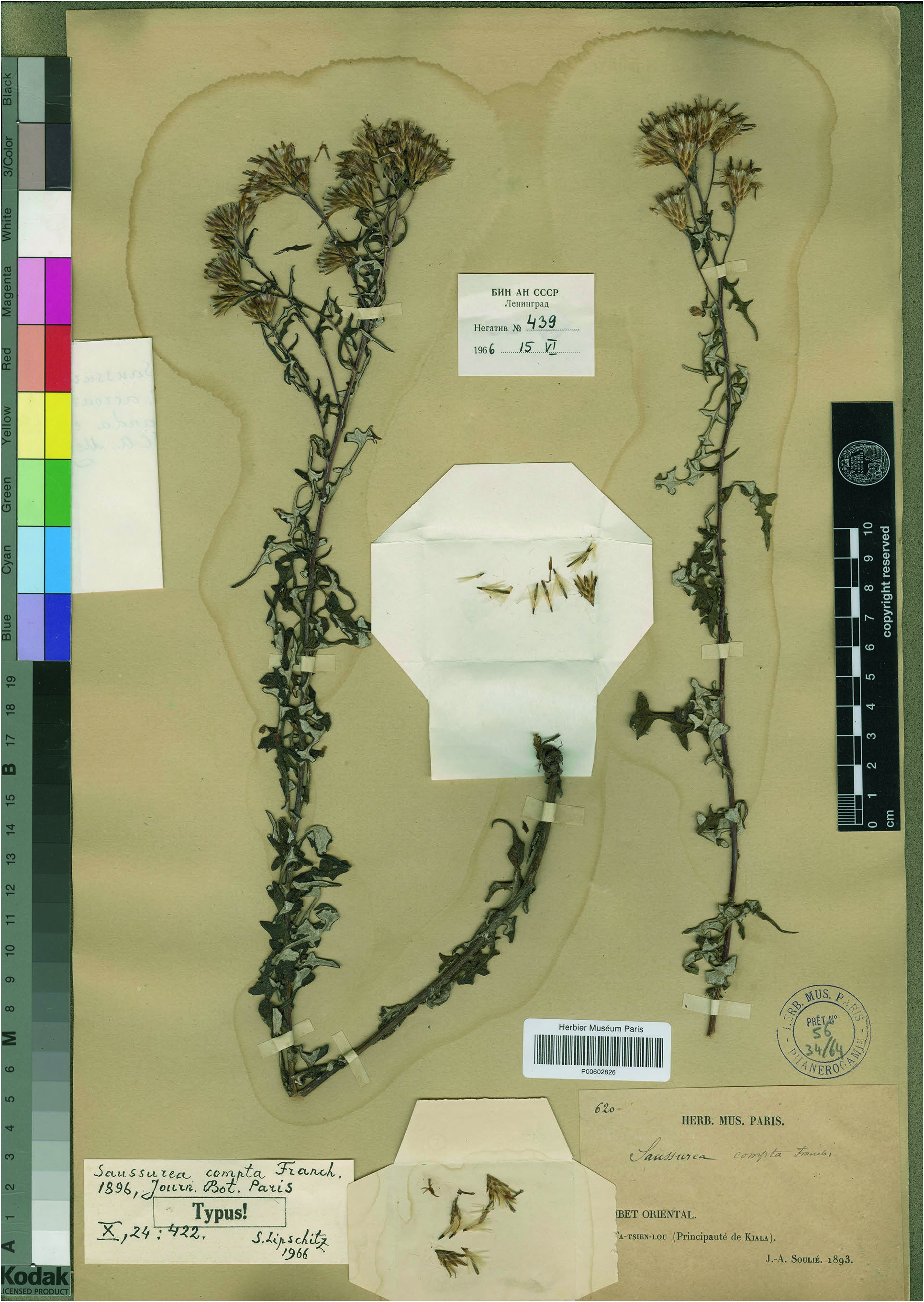
Tolpis staticifolia
Tolpis staticifolia (All.) Sch.Bip.

Tolpis staticifolia is a rhizomatous perennial plant in the Asteraceae family, native to several European countries including Austria, Germany, Italy, and others. It was first described in 1861. The species grows to a height of 10–50 cm and has a subglabrous surface.
Description
Tolpis staticifolia is a perennial herb with a rhizomatous root system and a height of 10–50 cm. Basal leaves are 4–10 cm long, linear to linear-oblanceolate, and either entire or remotely denticulate with a subacute tip. Cauline leaves are few or absent, linear, and entire. The stems are simple or sparingly branched, with branches not significantly exceeding the main stem. The plant produces few capitula with peduncles thickened below the head and a few small, appressed supplementary bracts. The involucre is 9–11 mm tall, with linear-lanceolate to narrowly elliptical bracts. The outer bracts are much shorter than the inner ones and all are floccose. The pappus consists of numerous long hairs with no short hairs. Chromosome number is 2n = 18.
Distribution
Austria · Germany · Italy · Liechtenstein · Slovenia · France · Hungary · Albania · Slovakia · Switzerland · Czechoslovakia · Czech Republic · CZ · SK · Yugoslavia
Synonyms
Hieracium staticifoliumChlorocrepis staticifoliaCrepis staticifoliaCrepis staticifolia