Stryphnodendron pulcherrimum
Stryphnodendron pulcherrimum (Willd.) Hochr.

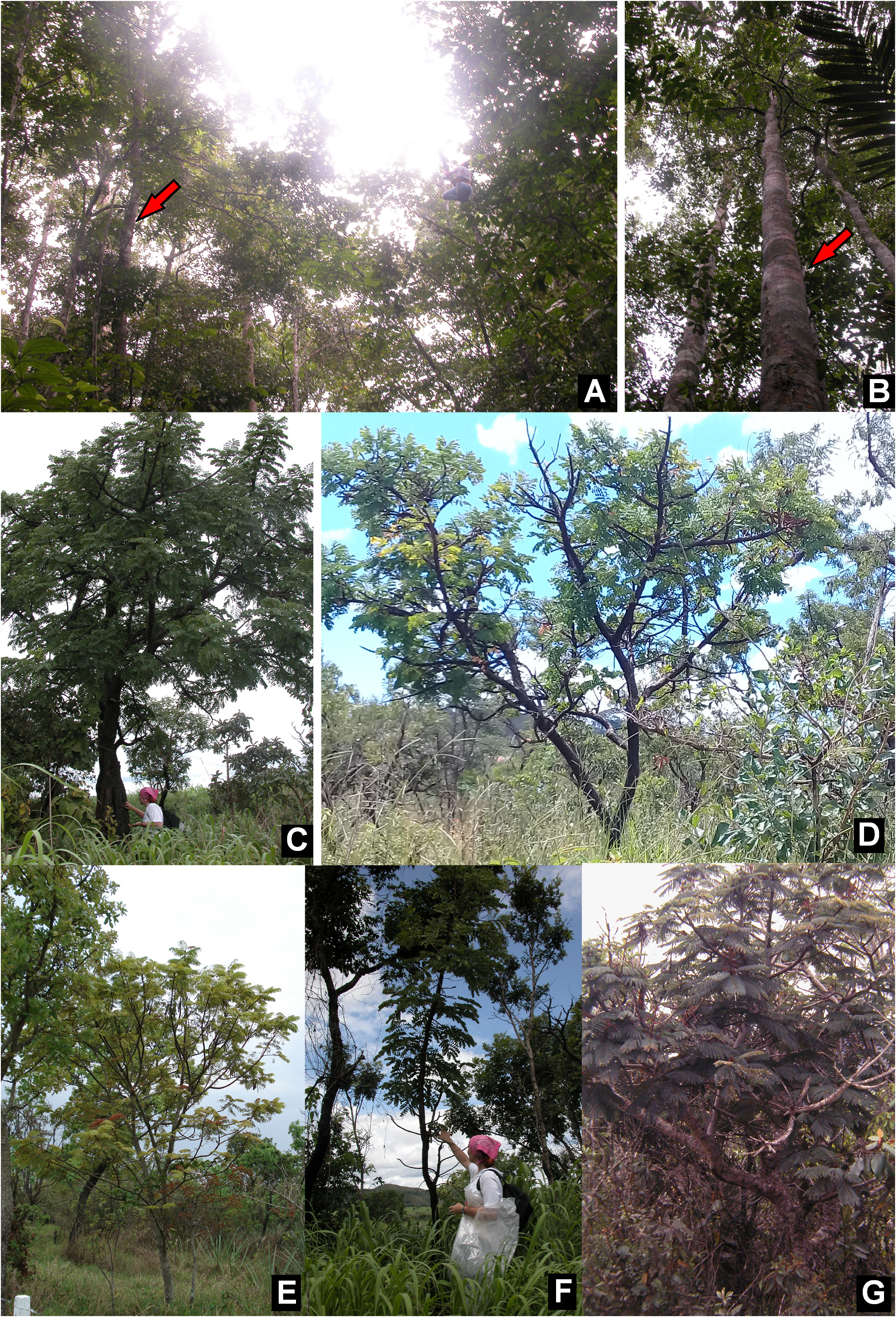
Stryphnodendron pulcherrimum is a medium to large tree species belonging to the Fabaceae family, known for its ecological and cultural significance in the Neotropical region. It is widely distributed across South America, including Brazil, Colombia, Bolivia, and several other countries. The tree is characterized by its compound leaves with numerous pairs of leaflets, yellowish to white inflorescences, and nucoid legumes. It is known by a variety of local names, reflecting its importance in different regions.
Description
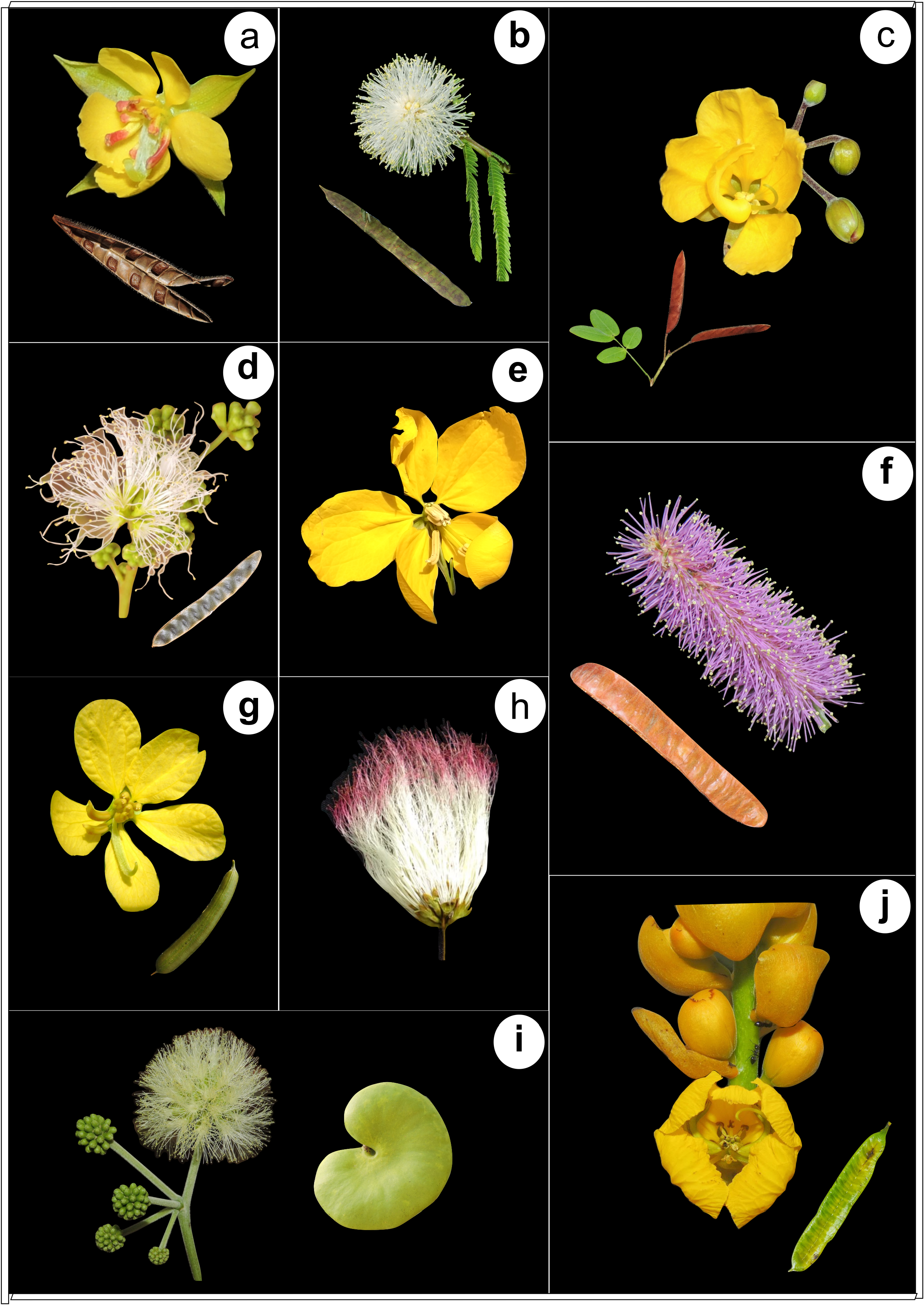
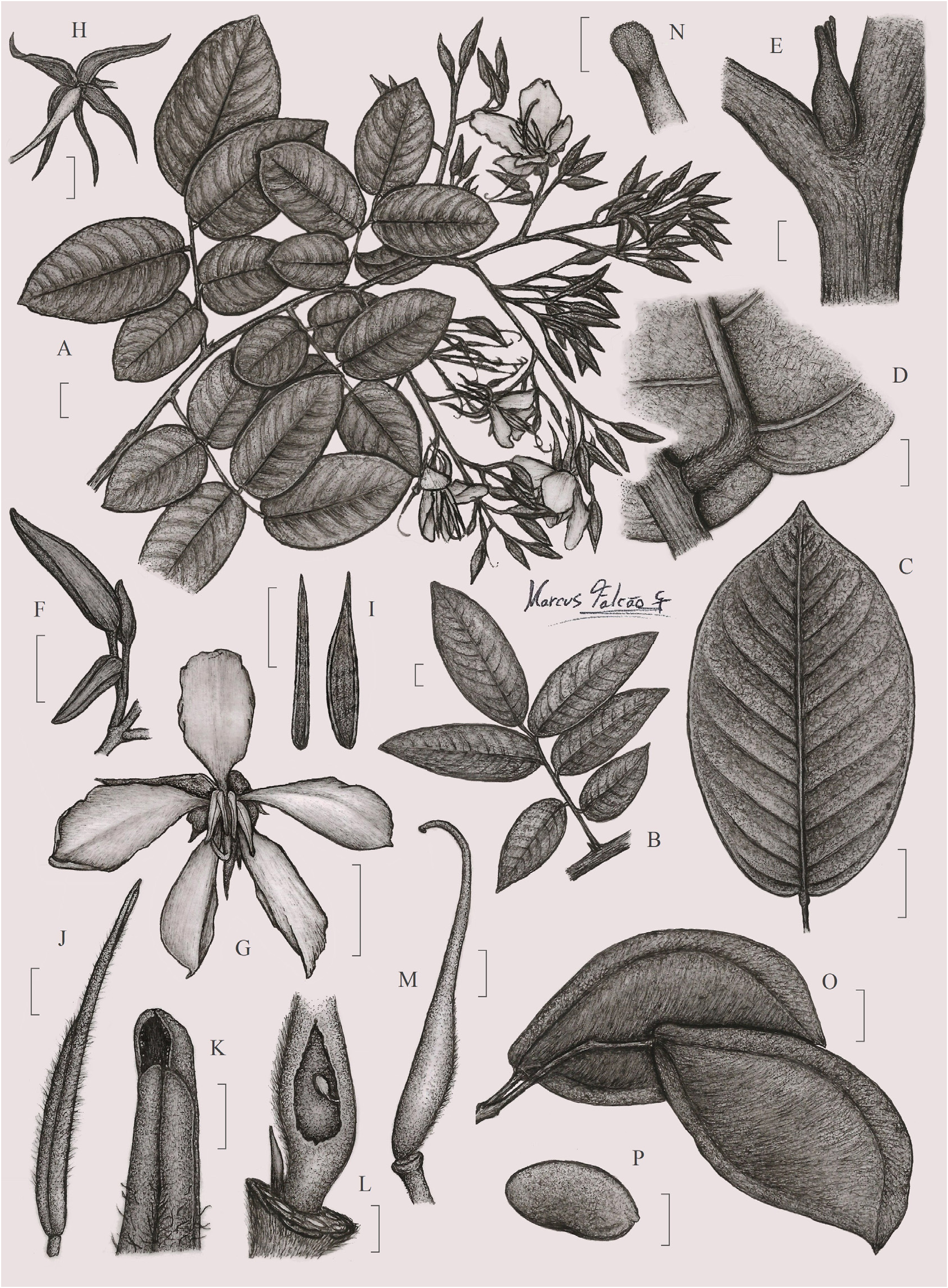
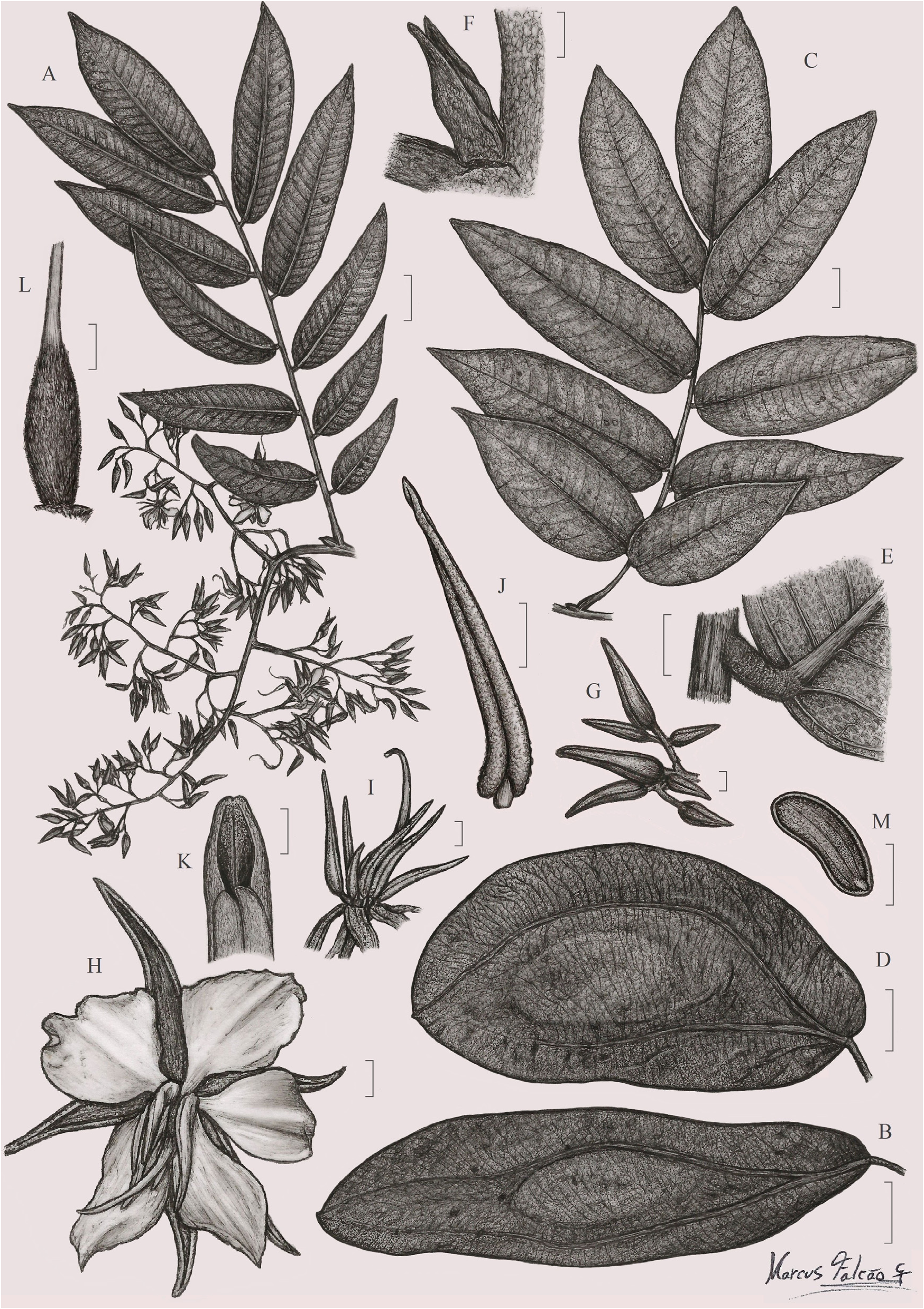
Stryphnodendron pulcherrimum is a tree that typically reaches heights of 8 to 23 meters, with a straight trunk. The leaves are pinnate, with 11 to 16 pairs of pinnae and 15 to 28 pairs of leaflets. The leaflets are small, usually 3–9 mm long and 1–3 mm wide, and vary in shape from narrowly oblong to lanceolate. The inflorescences are simple thyrsi, with yellowish, greenish yellow to whitish yellow cymulae, and the flowers are typically monoclinous. The fruit is a straight, subturgid legume with slightly prominent seeds and subcoriaceous valves. The species is known to flower and fruit throughout the year.
Habitat
This species is found in a range of habitats across the Neotropics, including lowland and montane forests. It is commonly associated with moist, tropical environments and is often found in the Amazon basin and other forested regions of South America. The tree is adapted to a variety of soil types and is often part of the canopy or subcanopy layer in forest ecosystems.
Cultivation
Stryphnodendron pulcherrimum is not commonly cultivated outside of its native range, but it may be grown in botanical gardens or for local use in certain regions. It requires a warm, humid climate and well-drained soil. As a member of the Fabaceae family, it likely has the ability to fix nitrogen, which could make it beneficial in agroforestry systems or for soil enrichment in degraded areas. However, specific cultivation techniques for this species are not widely documented.
Uses
The tree is known by a wide array of local names, indicating its cultural and possibly economic importance in different regions. It may be used for timber, though specific uses are not well documented. In some areas, it may be valued for its fruit or for traditional medicinal purposes. The tree's presence in various forest types suggests it may play a role in local ecosystems, providing habitat and food for wildlife. Its vernacular names suggest it is recognized and utilized by indigenous and local communities.
Distribution
BR · Parque Nacional Natural Río Puré · Caquetá, Guainía · Global · Tauramena · Bolivia · Brazil Northeast · Brazil North · Brazil West-Central · Colombia · French Guiana · Guyana · Peru · Suriname · Venezuela
Synonyms
Stryphnodendron floribundumAcacia pulcherrimaMimosa pulcherrimaStryphnodendron angustumStryphnodendron melinonisPiptadenia cobiPiptadenia foliolosaStryphnodendron guianense f. floribundum