Stryphnodendron microstachyum
Stryphnodendron microstachyum Poepp.
Stryphnodendron microstachyum is a tree species in the Fabaceae family, native to several regions in South America, including Brazil, Bolivia, Colombia, and Peru. It is characterized by its height of 8–24 m and gray to brownish gray rhytidome. The species is known for its compound leaves with 5–9 pairs of pinnae and 6–11 pairs of leaflets. It produces pinkish to purplish inflorescences and nucoid legumes. Flowering occurs from October to January and in July, while fruiting occurs from May to July.
Description
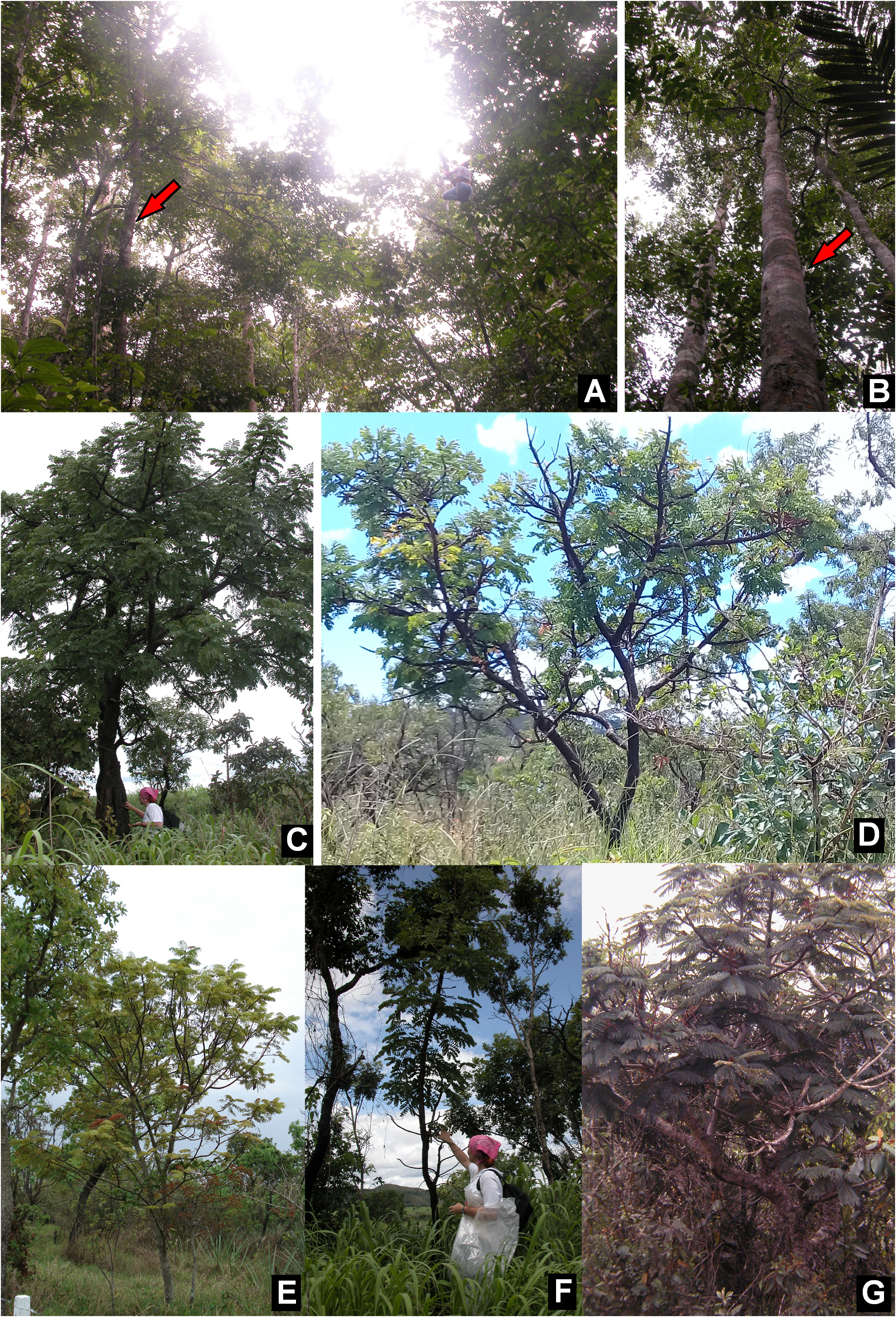
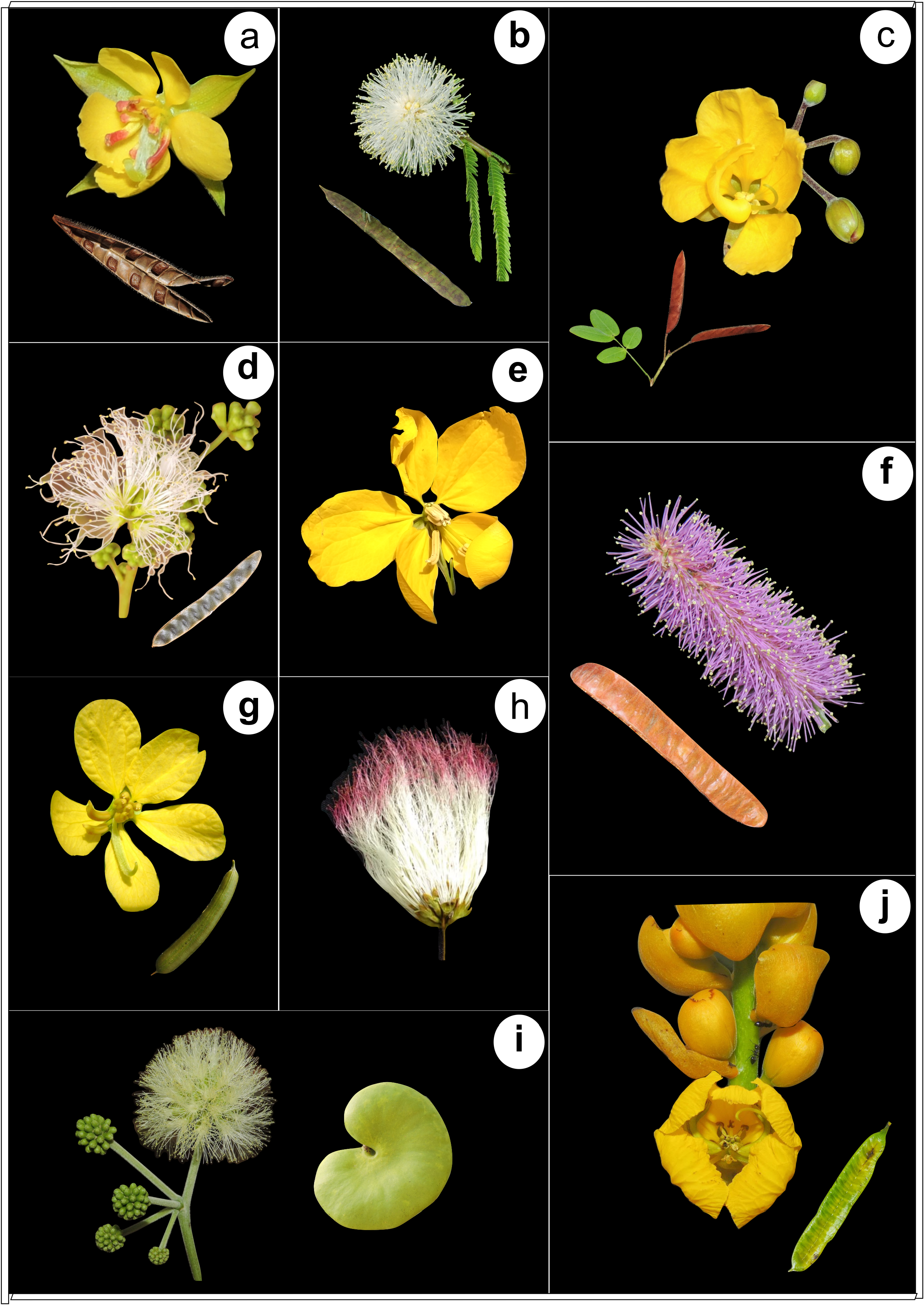
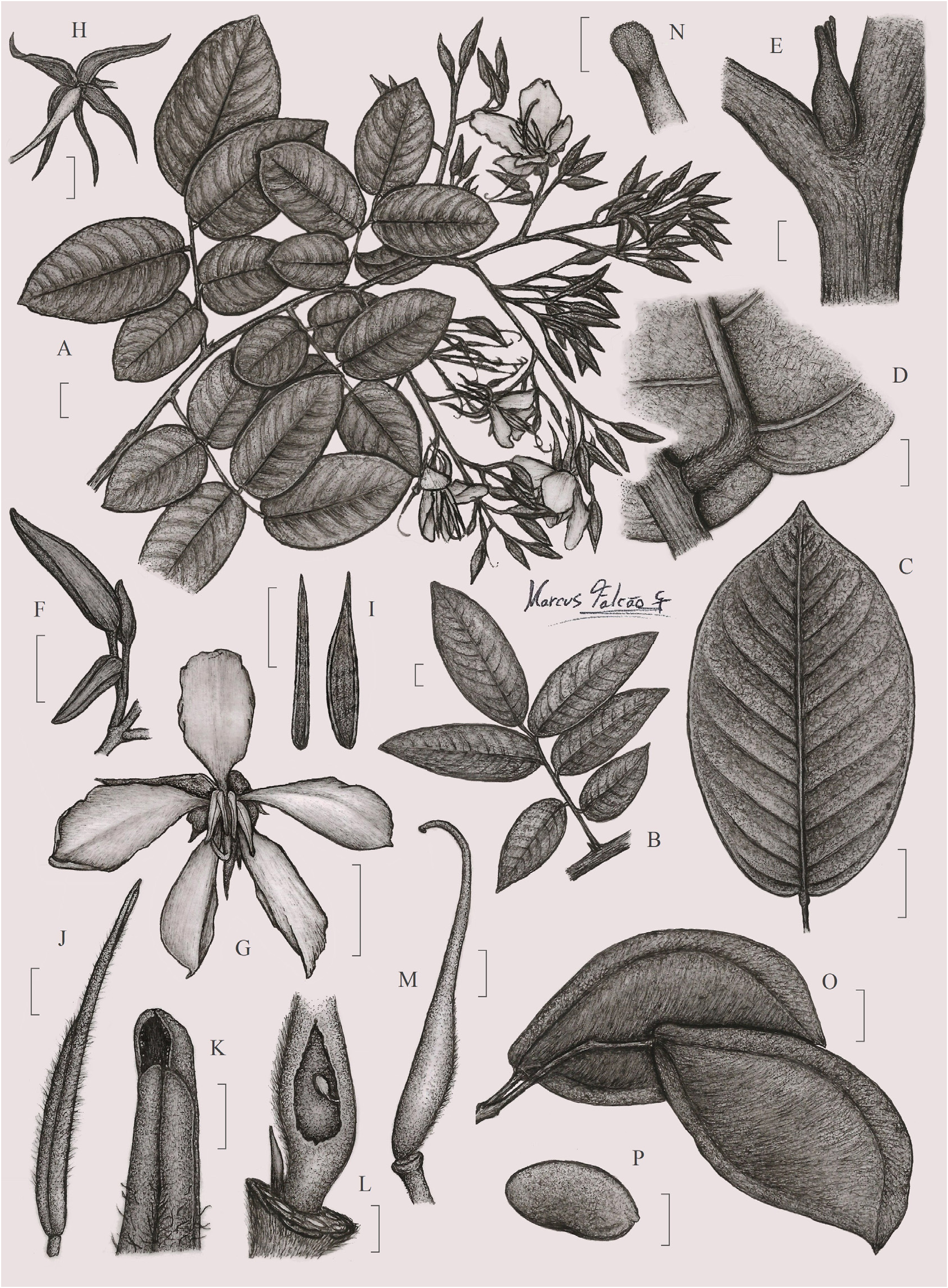
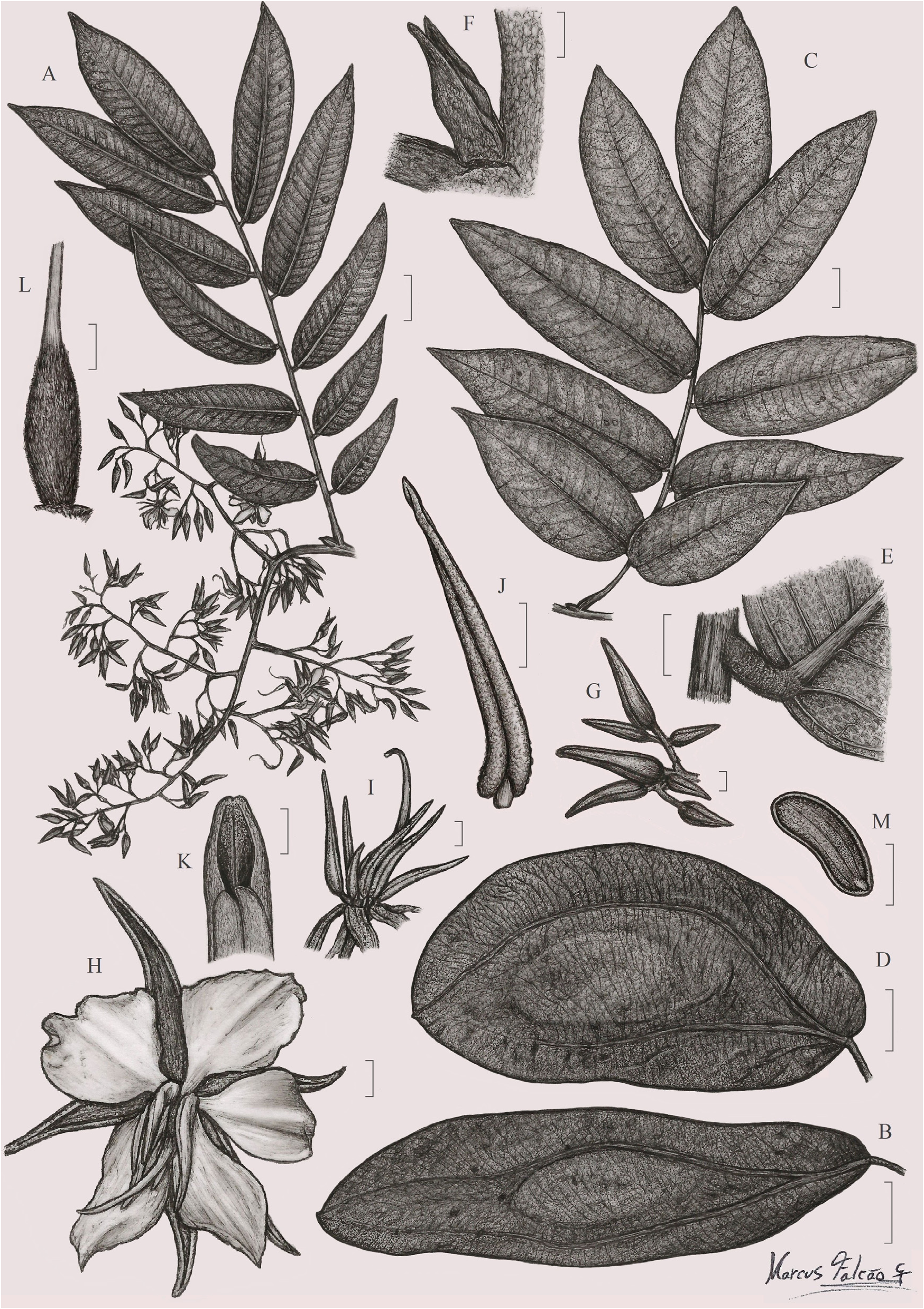
Stryphnodendron microstachyum is a tree species in the Fabaceae family, part of the Caesalpinioideae subfamily and mimosoid clade. It grows in regions such as Brazil, Bolivia, Colombia, and Peru. The tree reaches heights of 8–24 m and has a gray to brownish gray rhytidome. Leaves are compound with 5–9 (–11) pairs of pinnae and 6–11 (–14) pairs of leaflets. Leaflets are (5–)6–20 (–22) × (–3) 5–14 (–16) cm in size, usually widely oblong, oblong-rhombic to oblong-ovate. The inflorescences are simple thyrsi, pinkish to purplish, with cymulae of geminate to 5-ternate spikes. Flowers are monoclinous or diclinous with a glabrous corolla tube. The fruit is a nucoid legume, usually straight, with coriaceous valves. It is known by several vernacular names in Colombia, including Barasana-ke-re-nee-nee and Yukuna pe-tee-ree.
Distribution
BR · Reserva Nacional Natural Puinawai | ReservaNacional Natural Nukak · Putumayo, municipio de Mocoa, Vereda San Carlos, Centro Experimental Amazónico CEA, Corpoamazonia. · Antioquia, Guainía, Guaviare, Vaupés, Vichada · Departamentos del Caquetá y Guaviare: Parque Nacional Natural Serranía de Chiribiquete · Global · Bolivia · Brazil North · Colombia · Peru