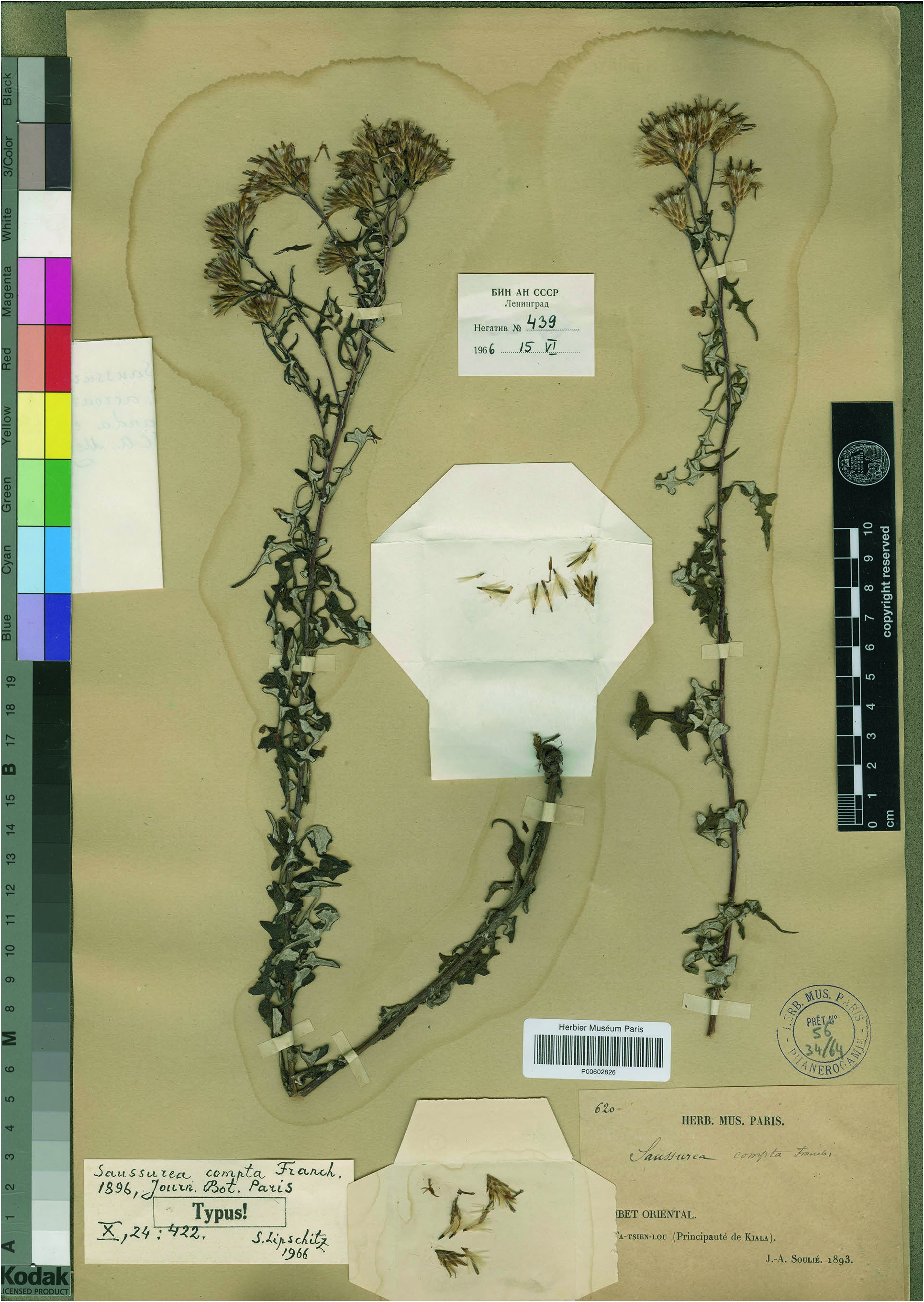
small wirelettuce
Stephanomeria exigua Nutt.

Stephanomeria exigua, known as small wirelettuce, is a member of the Asteraceae family and is native to the western United States and parts of northern Mexico. It is an annual herb that can grow up to 200 cm tall and is characterized by its linear to oblanceolate leaves and small, clustered flower heads. This species is distributed across several U.S. states and is part of the Cichorieae tribe. It is considered a parent species of the endangered Stephanomeria malheurensis.
Description
Stephanomeria exigua is an annual herb with a large taproot and stems that are single or freely branching. The leaves are linear to oblanceolate, with pinnately lobed margins, and wither by the time of flowering. The plant produces small flower heads in paniculiform arrays or clusters. The cypselae are light tan to dark brown, with smooth to tuberculate surfaces and plumose pappi. It is found in a wide range of habitats across the western U.S. and parts of northern Mexico. It blooms from mid-spring to late summer and is thought to be the parent species of the endangered S. malheurensis.
Other common names
small wirelettuce
Distribution
Baja California · Sonora · New Mexico · California · Wyoming · Arizona · Colorado · Idaho · Mexico Northeast · Mexico Northwest · Nevada · New York · Oregon · Texas · Utah · Washington
Synonyms
Ptiloria exigua var. exiguaStephanomeria exigua var. exiguaStephanomeria exigua subsp. pentachaetaPtiloria exigua