Siala
Markhamia lutea (Benth.) K.Schum.

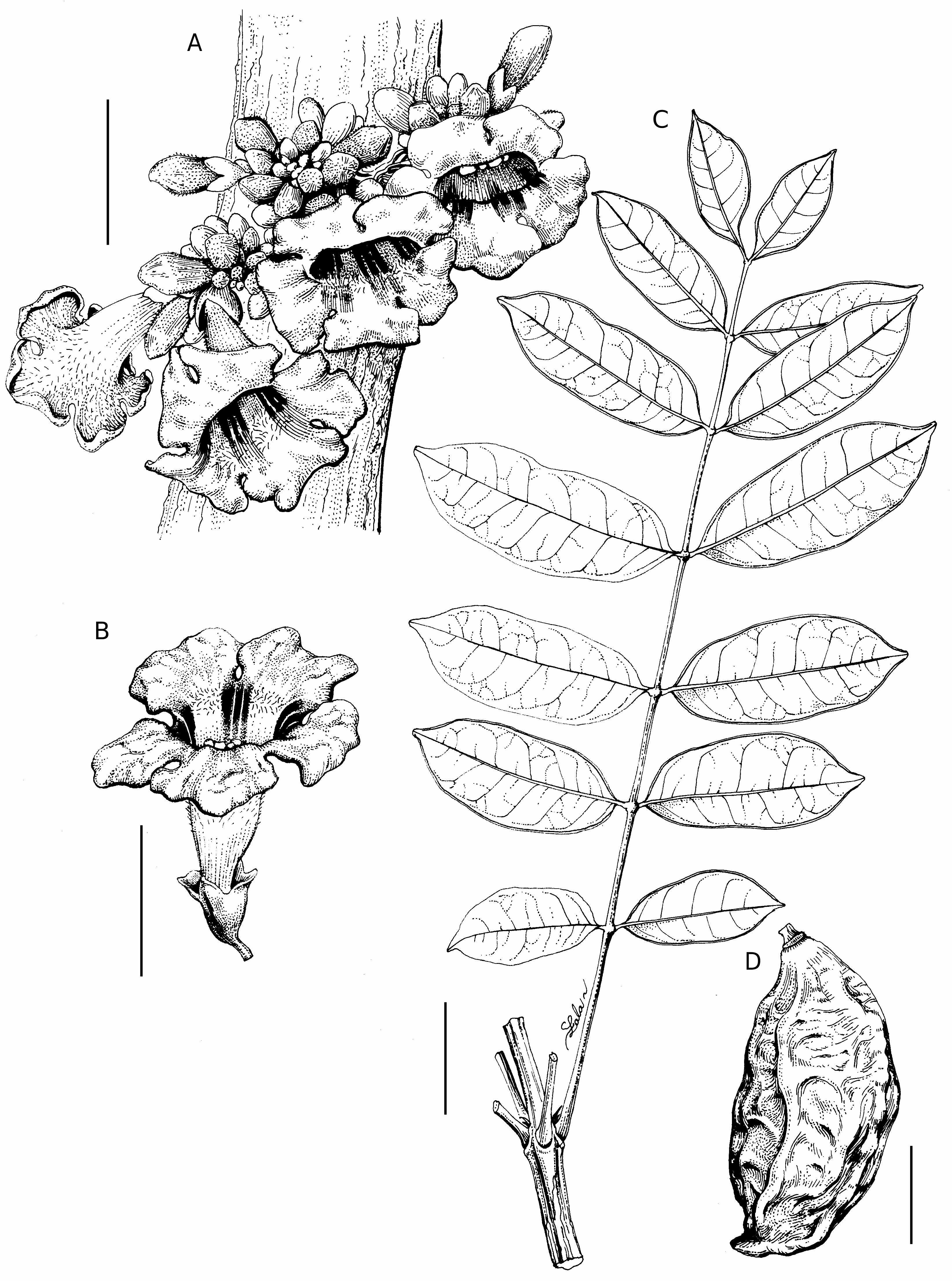
Markhamia lutea, commonly known as siala, is a tree species in the Bignoniaceae family, native to eastern Africa. It is cultivated for its large, bright yellow flowers with orange-reddish spots in the throat. The tree grows to 4–5 m tall outside its native range and can reach over 10 m in its natural habitat. It has 20–30 cm long leaves arranged at the ends of branches and produces terminal clusters of trumpet-shaped flowers measuring 5–6 cm in length. The fruit is a capsule up to 70 cm long, containing winged seeds. It is propagated by seeds.
Description
Markhamia lutea is an evergreen tree named in honor of Clements Markham, who worked in India. It is related to the African tulip tree and is known for its showy, yellow flowers. The species is found in several African countries, including Burundi, Cameroon, and Tanzania, and has been introduced to regions like Hawaii. The leaves are grouped at the branch tips, and the flowers are arranged in terminal clusters. The fruit is a long capsule that splits open to release winged seeds. This tree is cultivated for ornamental purposes and is valued for its vibrant floral display.
Other common names
Siala
Distribution
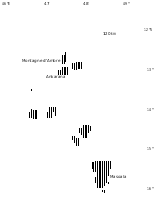
IN · Global · Hawaii · Burundi · Cameroon · Central African Repu · Congo · Gabon · Ghana · Gulf of Guinea Is. · Ivory Coast · Kenya · Nigeria · Rwanda · Sudan · Tanzania · Togo · Uganda · Zaïre
Synonyms
Muenteria luteaMarkhamia platycalyxMarkhamia hildebrandtiiSpathodea luteaDolichandrone hildebrandtiiDolichandrone luteaDolichandrone platycalyx