Senna rizzinii
Senna rizzinii H.S.Irwin & Barneby

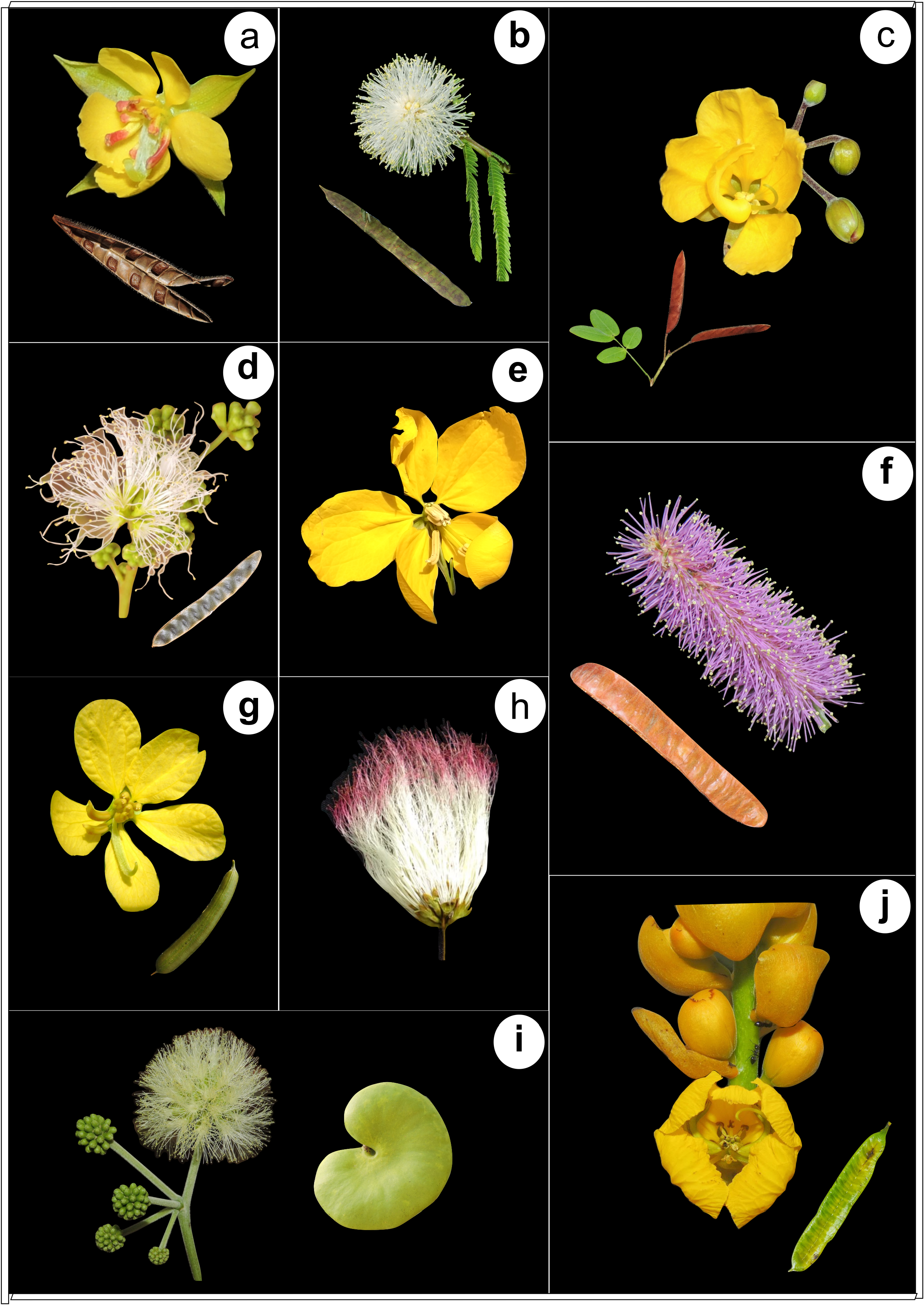
Senna rizzinii is a climbing shrub native to the semi-arid regions of northeastern Brazil. It belongs to the Fabaceae family and was first described in 1982 by H.S. Irwin and Barneby. This species is characterized by its tomentose branches, paripinnate leaves with lanceolate leaflets, and yellow, zygomorphic flowers. The fruit is a linear, cylindrical berry with a tomentulose surface, and the seeds are obovate with a black coat.
Description
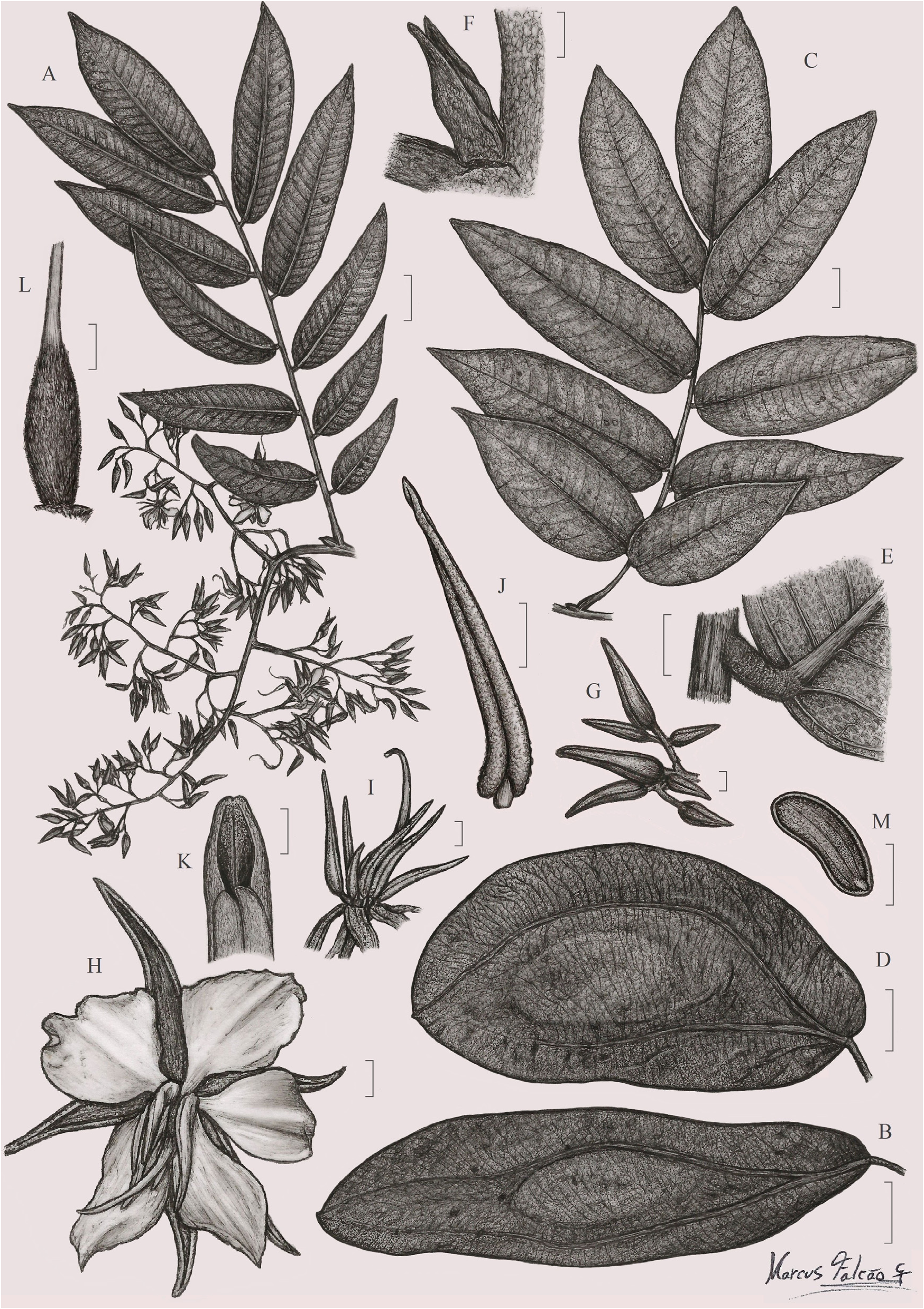
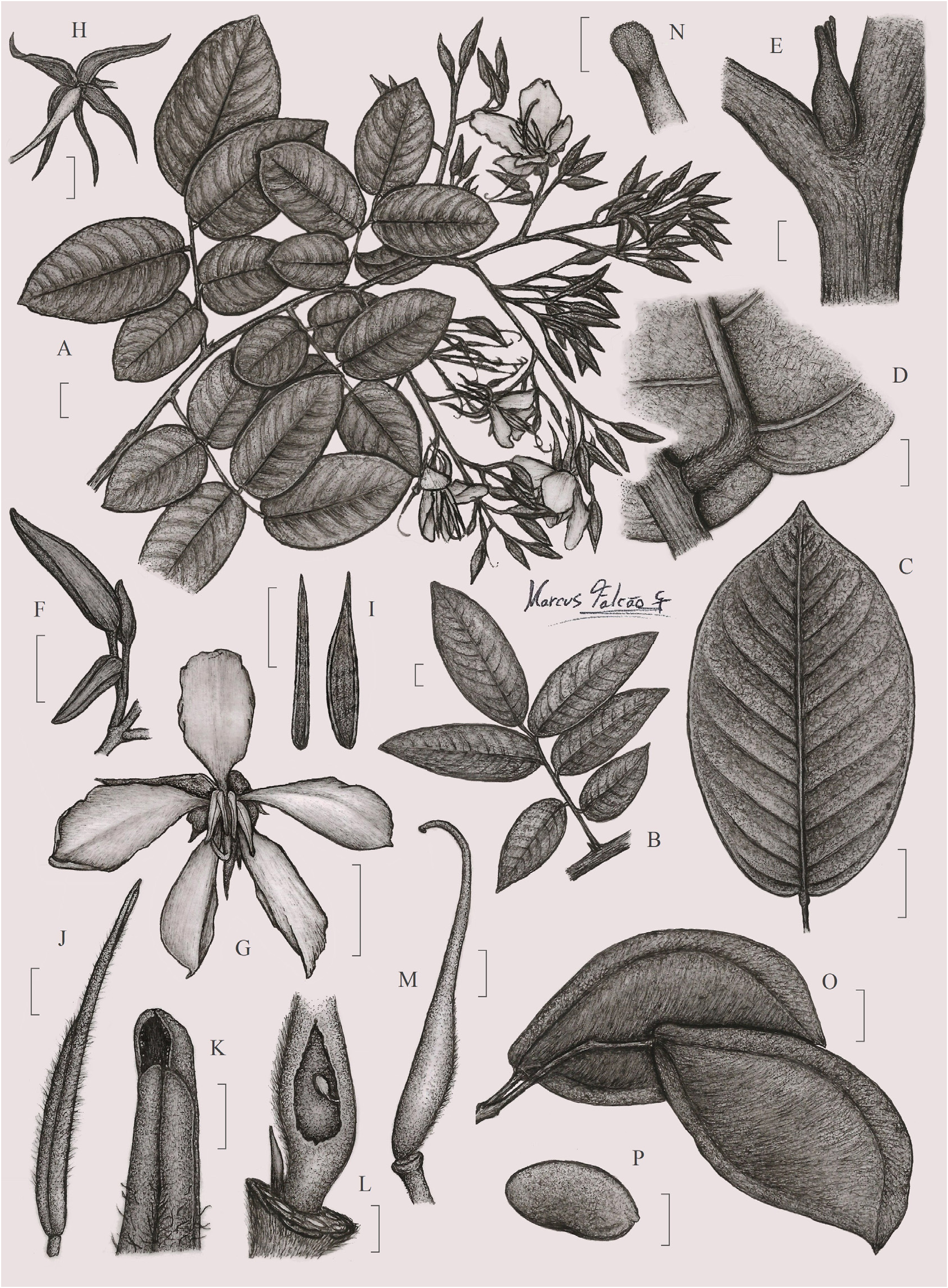
Senna rizzinii is a scandent shrub with tomentose, inermous branches. The plant features lateral, acicular stipules and paripinnate leaves with four opposite, lanceolate leaflets. The venation is brochidodromous, and there is no translucid punctuation. The inflorescence is a terminal and axillary raceme with pedicellate, zygomorphic flowers. The calyx is dialysepalous with five sepals, and the corolla is dialypetalous with five yellow petals. The androecium is dialystaminous and heterodinamous, with poricidal anthers. The ovary is superior, sessile, and pluriovulate. The fruit is a stipitate, linear, cylindrical berry with a straight margin and a tomentulose, brown epicarp. The seeds are obovate, plane, with a black coat and a basal hilum.
Habitat
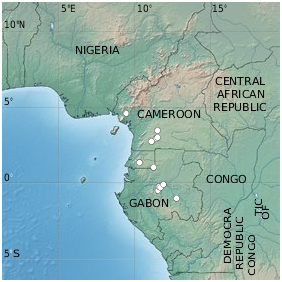
Senna rizzinii is found in the semi-arid region of northeastern Brazil, particularly in the state of Paraíba. It thrives in conservation units within this arid environment, where it likely plays a role in local ecosystems by contributing to plant diversity and providing resources for pollinators and seed dispersers.
Cultivation
Cultivation of Senna rizzinii is not well documented, but given its native habitat, it likely requires well-drained soils and a dry, warm climate. As a member of the Fabaceae family, it may have the potential to fix nitrogen, which could be beneficial in arid or degraded soils. Propagation could be attempted through seeds, though specific germination requirements are not known.
Uses
Currently, there are no known economic or traditional uses of Senna rizzinii. However, as a member of the Senna genus, which includes species used in herbal medicine and as ornamental plants, there may be potential for future research into its medicinal properties or horticultural value. Its ecological role in the semi-arid regions of Brazil may also be significant in terms of biodiversity conservation.
Distribution
BR · Brazil Northeast
Synonyms
Cassia chrysocarpa var. psilocarpaCassia granulata