round-leaf cassia
Chamaecrista rotundifolia (Pers.) Greene

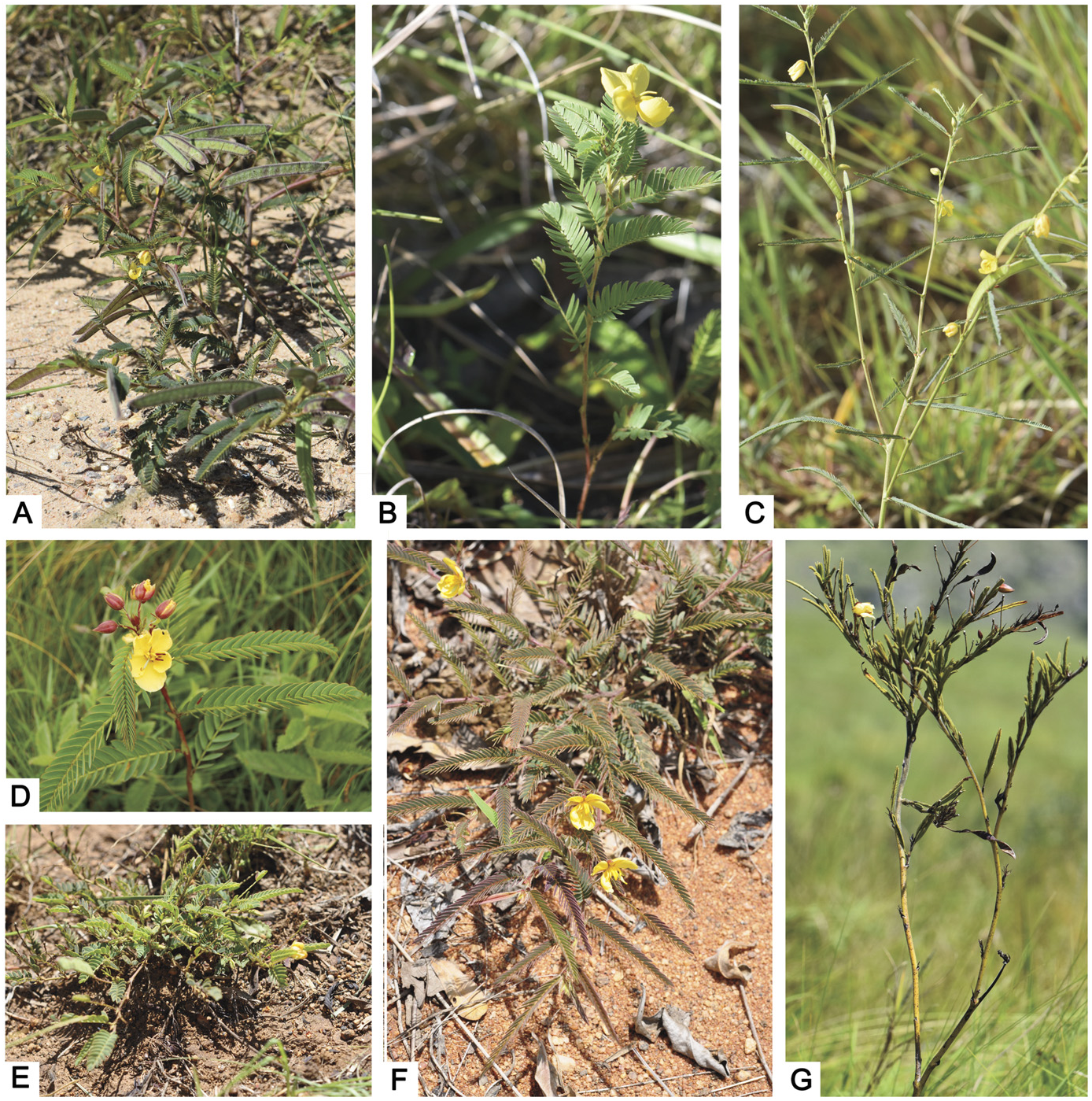
Chamaecrista rotundifolia, commonly known as round-leaf cassia, is a herbaceous plant in the Fabaceae family. It is native to a wide range across the Americas, including Brazil, Colombia, Argentina, and other tropical and subtropical regions. This species is characterized by its bifoliolate leaves, asymmetrical flowers, and legume fruits. It is adapted to various habitats, particularly the campo rupestre vegetation, and is known for its ecological and potential agricultural significance.
Description
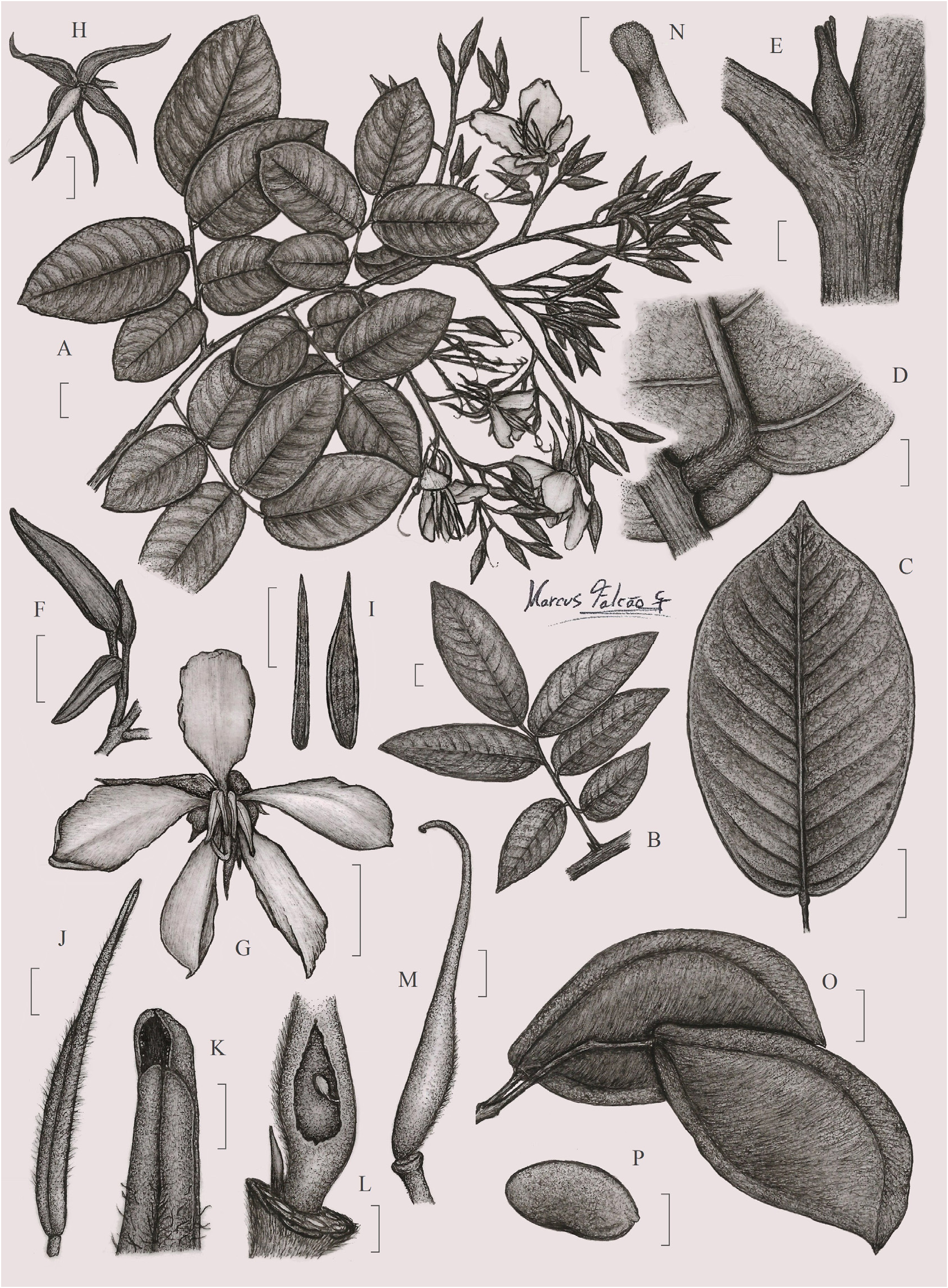
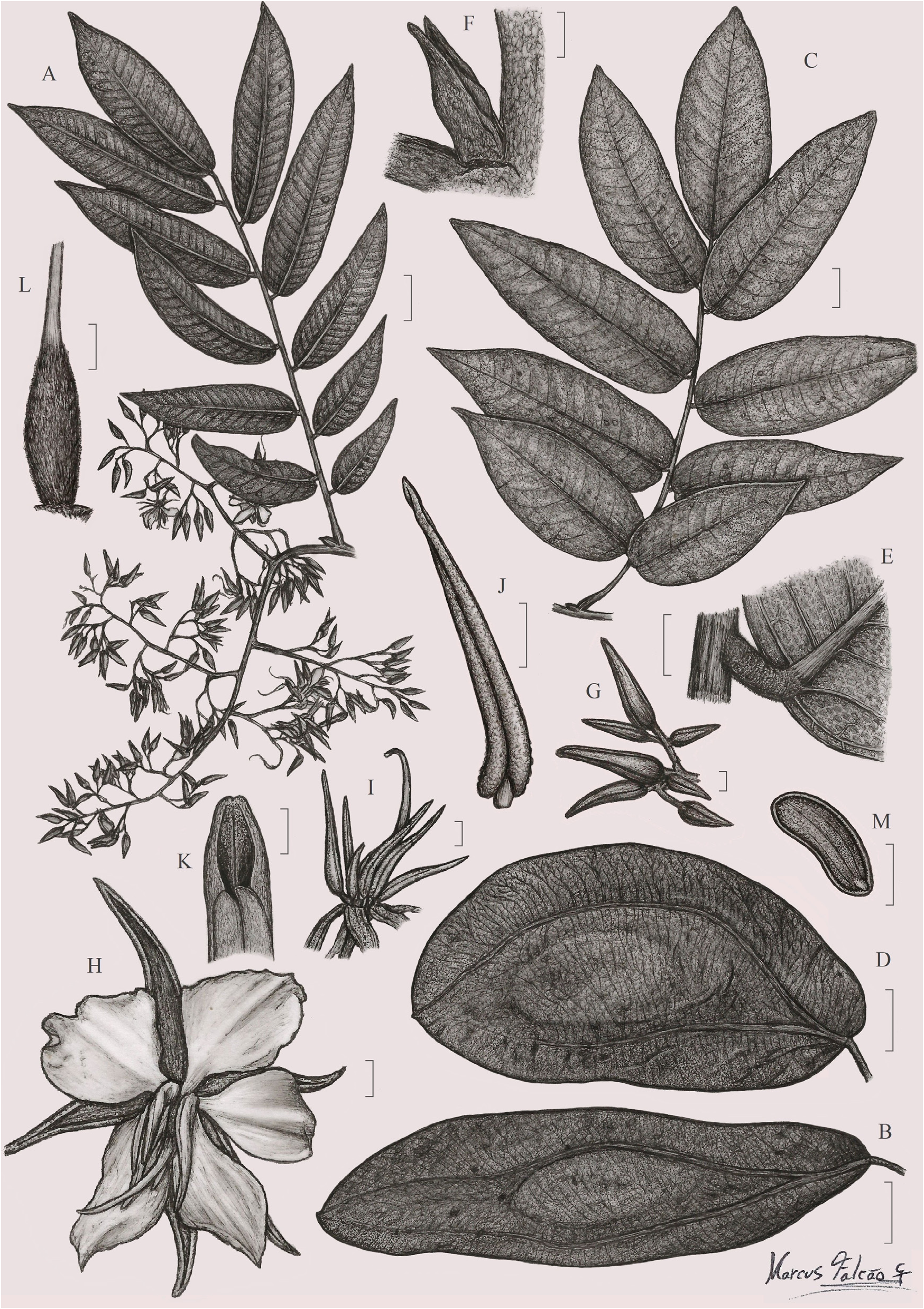
Chamaecrista rotundifolia is a herb with pilose branches and inermous stems. It lacks nectaries and has lateral stipules that are ovate in shape. The leaves are paripinnate and typically bifoliolate, with opposite, obovate leaflets and actinodromous venation. The inflorescence is cymose and axillary, bearing pedicellate, asymmetrical flowers with a yellow dialypetalous corolla and five petals. The androecium is dialystaminous and homodinamous, with longitudinal anthers. The ovary is superior, sessile, and pluriovulate. The fruit is a linear, plane legume with a glabrous, brown epicarp. The seeds are trapezoidal, plane, with a black coat and a basal hilum.
Habitat
Chamaecrista rotundifolia is primarily found in campo rupestre vegetation, a type of high-altitude, rocky savanna ecosystem. It is commonly observed in regions such as the Itacolomi State Park in Brazil, as well as in other parts of South America, including Colombia and Argentina. This plant thrives in semi-arid and tropical environments, often in open or disturbed habitats where it can take advantage of available sunlight and well-drained soils.
Cultivation
While not widely cultivated, Chamaecrista rotundifolia has potential for use in pasture systems due to its ability to grow in poor soils and its nitrogen-fixing properties. It is often found in natural pastures and can be used as a forage plant in tropical and subtropical regions. Its cultivation is typically limited to areas where it occurs naturally, and it is more commonly managed in conservation and ecological restoration projects rather than in agricultural settings.
Uses
Chamaecrista rotundifolia is primarily valued for its ecological role in maintaining soil stability and biodiversity in campo rupestre and other open habitats. It is also used as forage in some regions, particularly in tropical pastures, where it contributes to livestock feed. Its nitrogen-fixing ability makes it beneficial for soil enrichment in degraded areas. Additionally, it is a subject of interest in botanical and conservation studies due to its distribution and habitat preferences.
Other common names
round-leaf cassiaroundleaf sensitive pea
Distribution
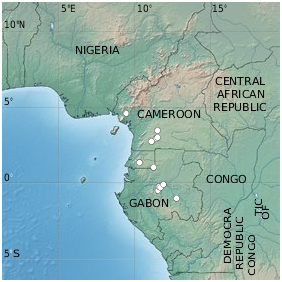
Itacolomi State Park, Calais, MG, Brazil · BR · Parque Nacional Natural Tinigua · Núcleo Manuelita · ZW · IN · AU · Antioquia, Arauca, Cundinamarca, Guainía, Huila, Meta, Tolima, Vichada · Amazonia nororiental de Colombia, departamento del Guainía, municipio de Inírida. · Argentina Northeast · Belize · Benin · Bolivia · Brazil Northeast · Brazil North · Brazil Southeast · Brazil South · Brazil West-Central · Colombia · Costa Rica · Cuba · Ecuador · Florida · Gabon · Gambia · Ghana · Guyana · Honduras · India · Jamaica
Synonyms
Cassia rotundifoliaCassia tenuivenosaCassia bifoliolata var. rotundifoliaCassia bifoliata