Redblotch Tufted Orchid
Jacquiniella globosa (Jacq.) Schltr.

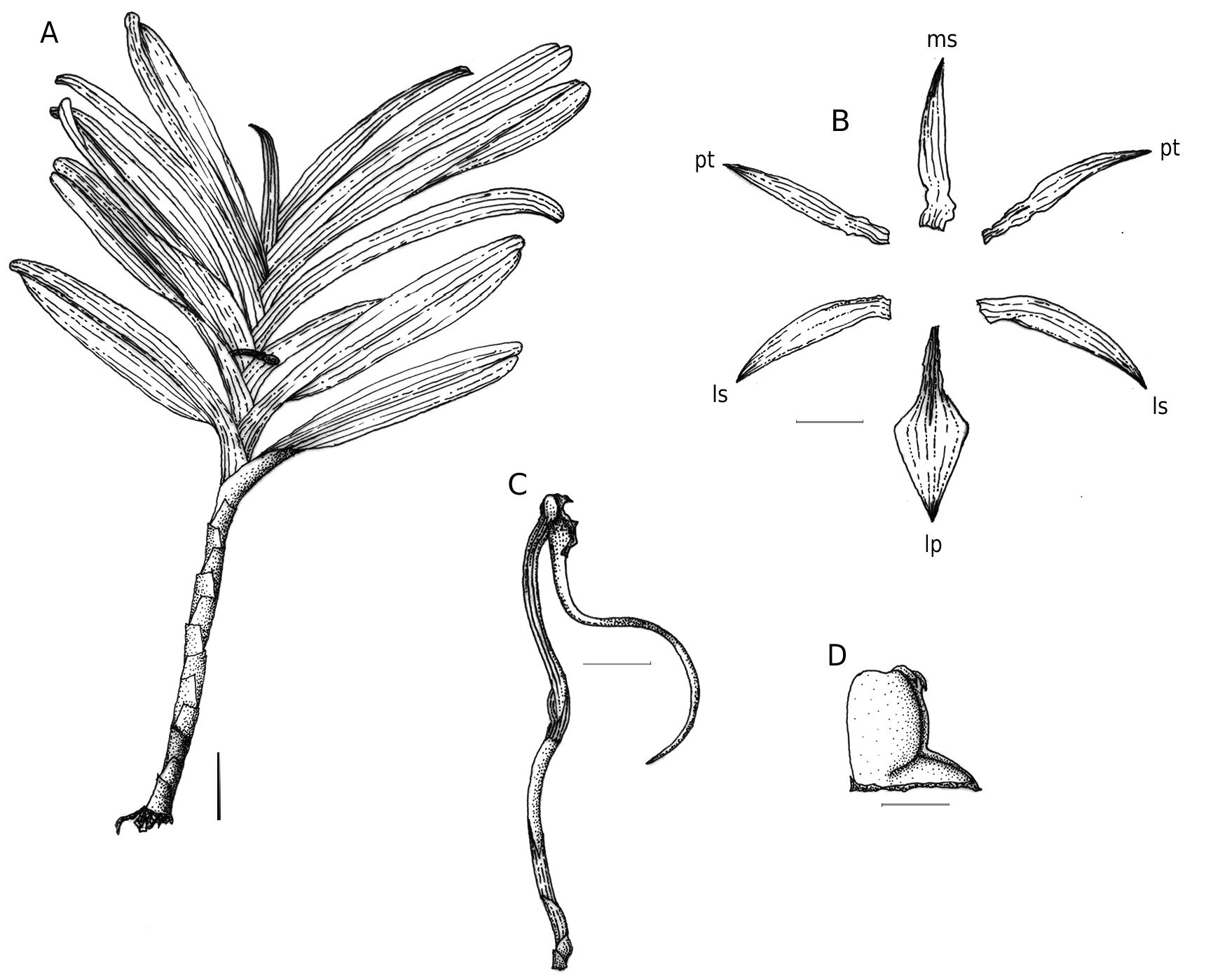
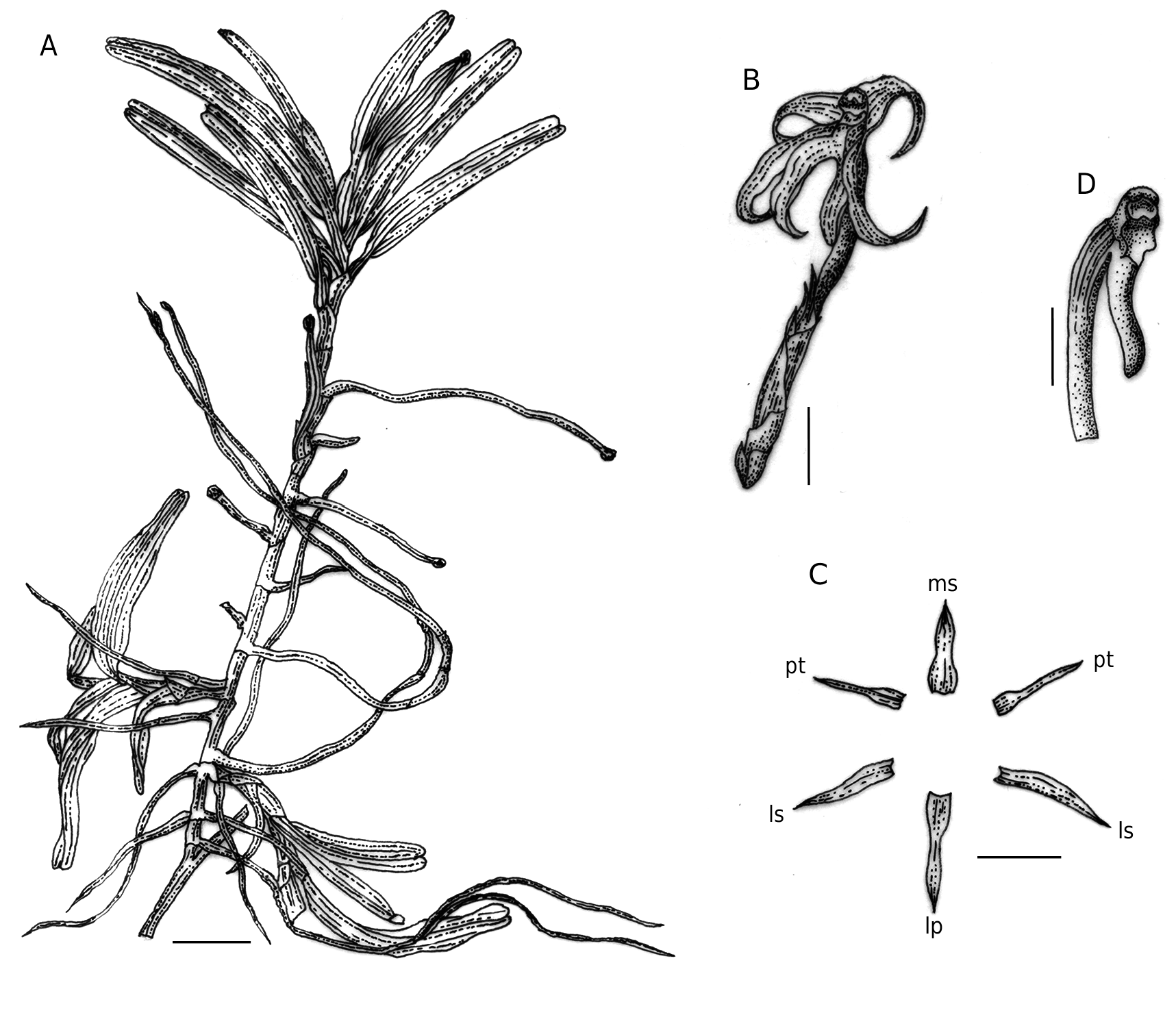
Jacquiniella globosa, commonly known as the Redblotch Tufted Orchid, is a species of orchid belonging to the Orchidaceae family. It is native to a wide range of regions in the Neotropics, including parts of Colombia, Brazil, and several other Central and South American countries. This orchid is characterized by its tufted growth habit and distinctive red blotches, which contribute to its common name. The species was first described in 1920 and has since been documented in various botanical collections, including a voucher specimen collected by J. G. Saunders in Honduras.
Description
Jacquiniella globosa is a terrestrial orchid with a compact, tufted growth form. The plant typically features small, clustered leaves and produces flowers that are marked with red blotches, a feature that gives the species its common name. The flowers are generally small to medium in size and are arranged in inflorescences that emerge from the base of the plant. The coloration and pattern of the flowers can vary depending on the specific population and environmental conditions. This species is often found in moist, shaded habitats and is adapted to thrive in the understory of tropical forests.
Habitat
This orchid is commonly found in the understory of tropical and subtropical forests, where it thrives in moist, shaded conditions. It is often associated with areas that have high humidity and well-drained soils. The species is distributed across a wide range of elevations, from lowland rainforests to montane forests. In its native range, it can be found in regions such as Antioquia, Cauca, and Cundinamarca in Colombia, as well as in parts of Brazil, Ecuador, and other neighboring countries.
Cultivation
Cultivating Jacquiniella globosa requires a careful balance of light, moisture, and humidity. It is best suited for greenhouse environments that can mimic the warm, humid conditions of its native habitat. The plant should be grown in a well-draining potting mix, such as a combination of bark, perlite, and sphagnum moss. Regular watering is necessary, but the substrate should be allowed to dry slightly between waterings to prevent root rot. This orchid benefits from moderate to bright indirect light and thrives in temperatures that range between 18°C and 26°C. Fertilization with a balanced orchid fertilizer during the growing season can promote healthy growth and flowering.
Uses
While Jacquiniella globosa is primarily valued for its ornamental qualities, it is also of interest to botanical researchers and conservationists. The species is sometimes cultivated by orchid enthusiasts for its unique appearance and the challenge it presents in cultivation. In its natural habitat, it plays a role in the biodiversity of tropical forests, contributing to the ecological balance by providing nectar for pollinators such as bees and butterflies. However, it is not widely used for commercial or medicinal purposes.
Other common names
Redblotch Tufted Orchid
Distribution
Antioquia, Cauca, Chocó, Cundinamarca, Huila, Valle del Cauca · BR · Subregiones: Norte, Zona central · La Cumbre | Restrepo | Vijes | Bolívar · Bucaramanga · Cauca, Cundinamarca, Huila, Meta, Putumayo, Magdalena · Jardín Botánico de Bogotá · Cuenca: Macrocuencas Magdalena - Cauca; Cuerpo de agua: Las Charcas, Buga · Belize · Bolivia · Brazil Northeast · Brazil North · Brazil Southeast · Brazil South · Colombia · Costa Rica · Cuba · Dominican Republic · Ecuador · French Guiana · Guatemala · Guyana · Haiti · Honduras · Jamaica · Leeward Is. · Mexico Southeast · Mexico Southwest · Nicaragua · Panamá
Synonyms
Isochilus globosusCymbidium globosumEpidendrum geraldoiEpidendrum globosumEpidendrum kuhlmanniiEpidendrum rudolfianum