pliant lettuce
Lactuca viminea (L.) J.Presl & C.Presl

Lactuca viminea, commonly known as pliant lettuce, is a biennial herb native to Europe and parts of southwestern Asia. It belongs to the genus Lactuca within the Asteraceae family, a group known for its diverse and often economically important species. This plant is characterized by its tall, branched stems and distinctive yellow flowers. It is widely distributed across regions such as Spain, Germany, Turkey, and parts of the Middle East, and has been documented in botanical literature since 1819.
Description
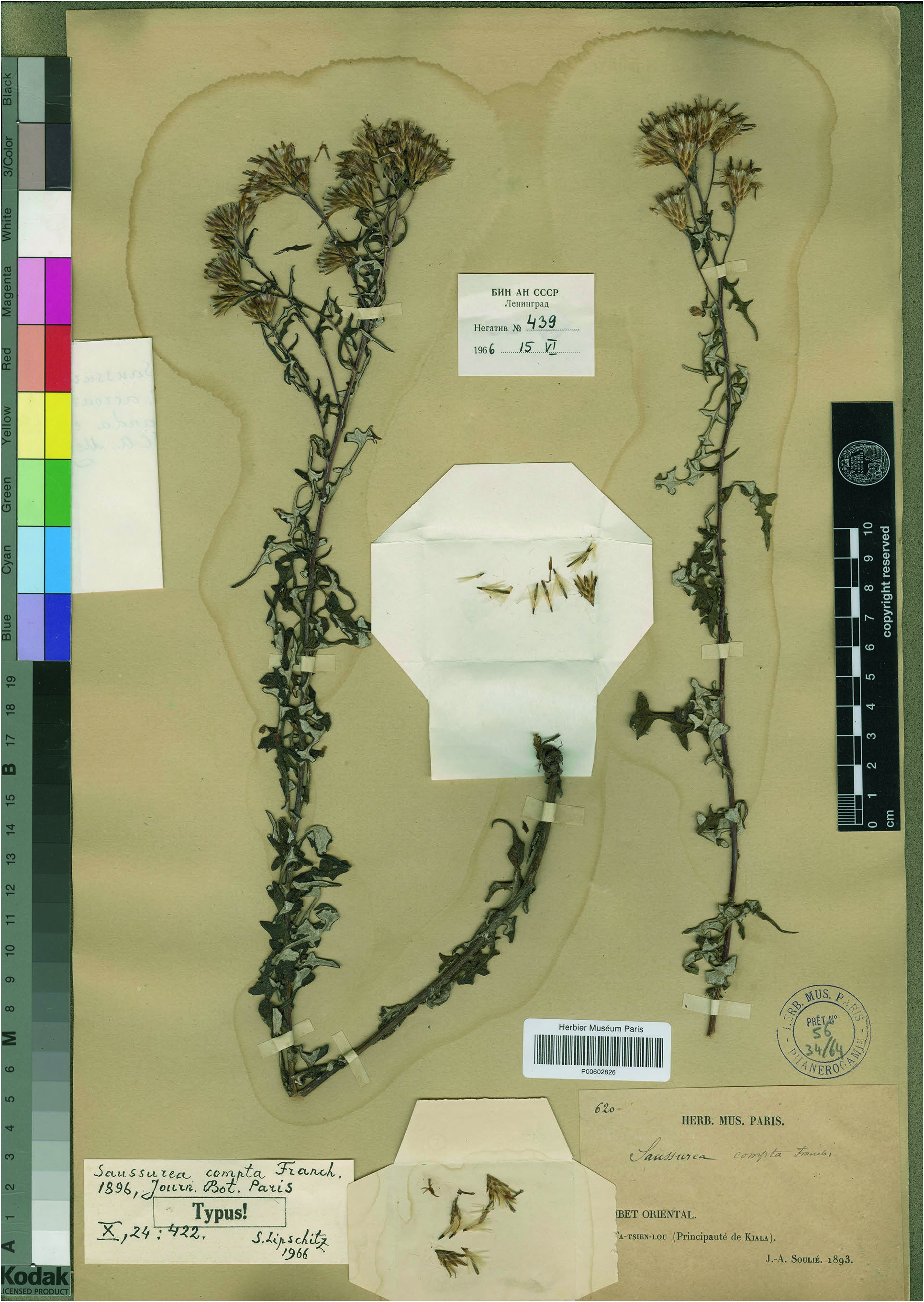
Lactuca viminea is a biennial herb that can grow up to 150 cm in height. It features a tough taproot and erect, ivory-coloured, glabrous stems that are strongly branched. The cauline leaves are variable, with lower leaves being oblong, runcinate, and dentate, while upper leaves become auriculate and scale-like. The synflorescence is paniculiform, with very short or absent peduncles. The flower heads contain approximately five yellow ligulate flowers with red external tinges. The involucre is narrowly cylindrical, with ovate outer bracts and linear inner bracts. The achenes are strongly compressed, blackish, and ribbed, ending in a beak-like structure, with a white, fragile pappus.
Habitat
Pliant lettuce is typically found in a variety of habitats, including open fields, roadsides, and disturbed areas. It thrives in temperate climates and is well adapted to a range of soil types, though it prefers well-drained soils. Its wide distribution across Europe and parts of Asia suggests a high tolerance for different environmental conditions, including variations in temperature and moisture.
Cultivation
Lactuca viminea is not commonly cultivated for agricultural or horticultural purposes. It is, however, occasionally observed in disturbed or marginal habitats where it can establish itself readily. Its growth habit and seed dispersal mechanisms make it a potential candidate for naturalization in new areas, though it is not considered invasive. Cultivation would require well-drained soil and moderate watering, with attention to its biennial life cycle.
Uses
While Lactuca viminea is not widely used in agriculture or horticulture, it has potential for use in ecological restoration projects due to its adaptability and ability to colonize disturbed soils. The genus Lactuca is known for its latex-producing properties, and some species are used in traditional medicine, though specific uses for L. viminea are not well documented. Its ornamental value is limited, but its unique floral structure may appeal to botanists and wildflower enthusiasts.
Other common names
pliant lettuce
Distribution
Sardegna · Spain · Libya · Nakhichevan · Morocco · Germany · Montenegro · Kriti · Turkey-in-Europe · Czech Republic · Georgia · Adzhariya · Andorra · Sicilia · Iraq · Lebanon · Syria · Macedonia · Hungary · Serbia · Canary Is. · France · Azerbaijan · Austria · Armenia · Pakistan · Slovakia · Slovenia · Moldova · Greece
Synonyms
Lactuca numidicaPrenanthes vimineaScariola vimineaChondrilla ramosissimaScariola contractaLactuca viminea f. vimineaLactuca viminea var. vimineaPhaenopus vimineusLactuca decorticataLactuca chondrilliflora subsp. contractaLactuca viminea var. numidicaChondrilla sessilifloraLactuca viminea var. pomelianaLactuca viminea var. intricataChondrilla vimineaLactuca contractaPhaenixopus decurrensPhaenixopus vimineusLactuca viminea var. latifoliaLactuca viminea var. virgata