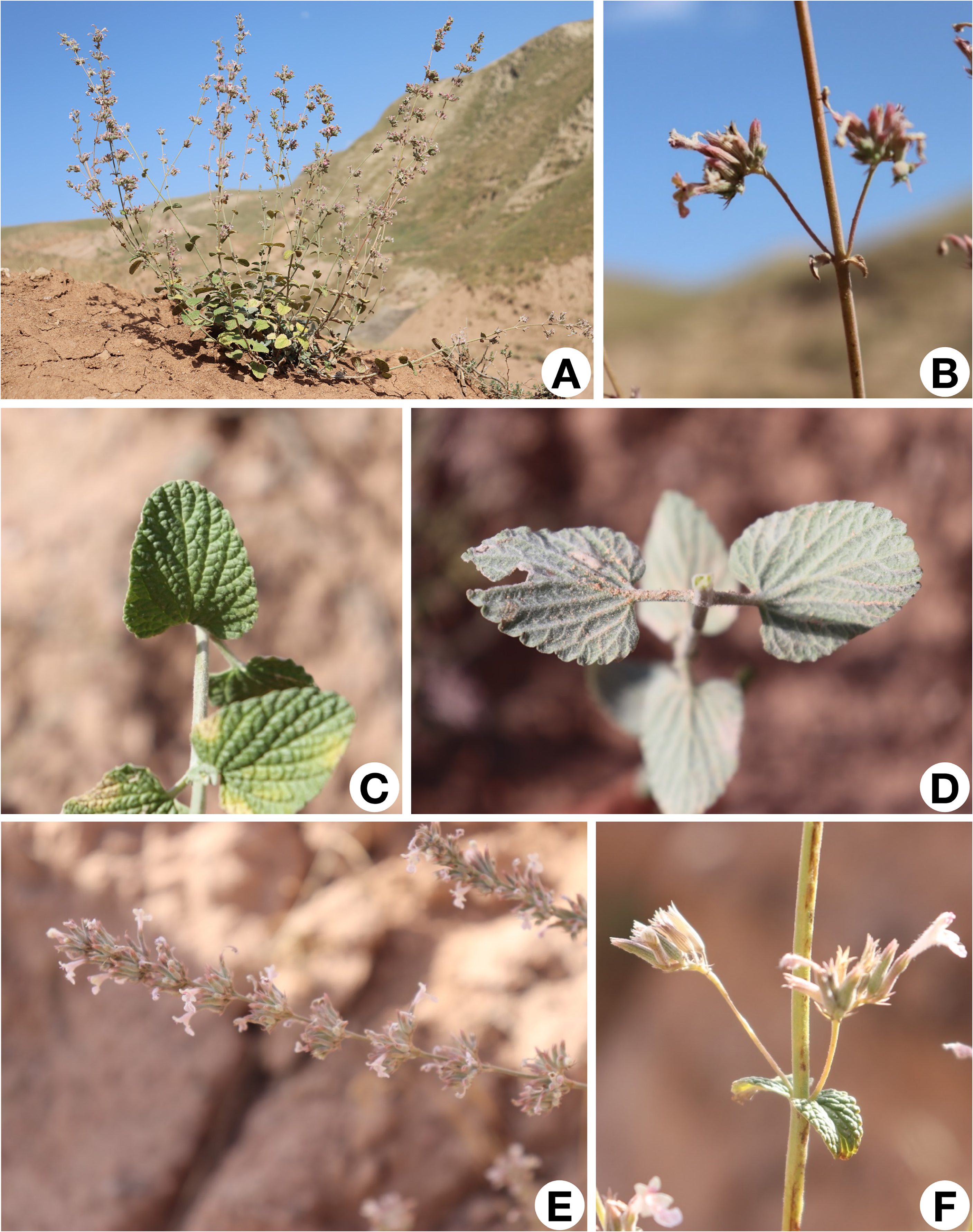
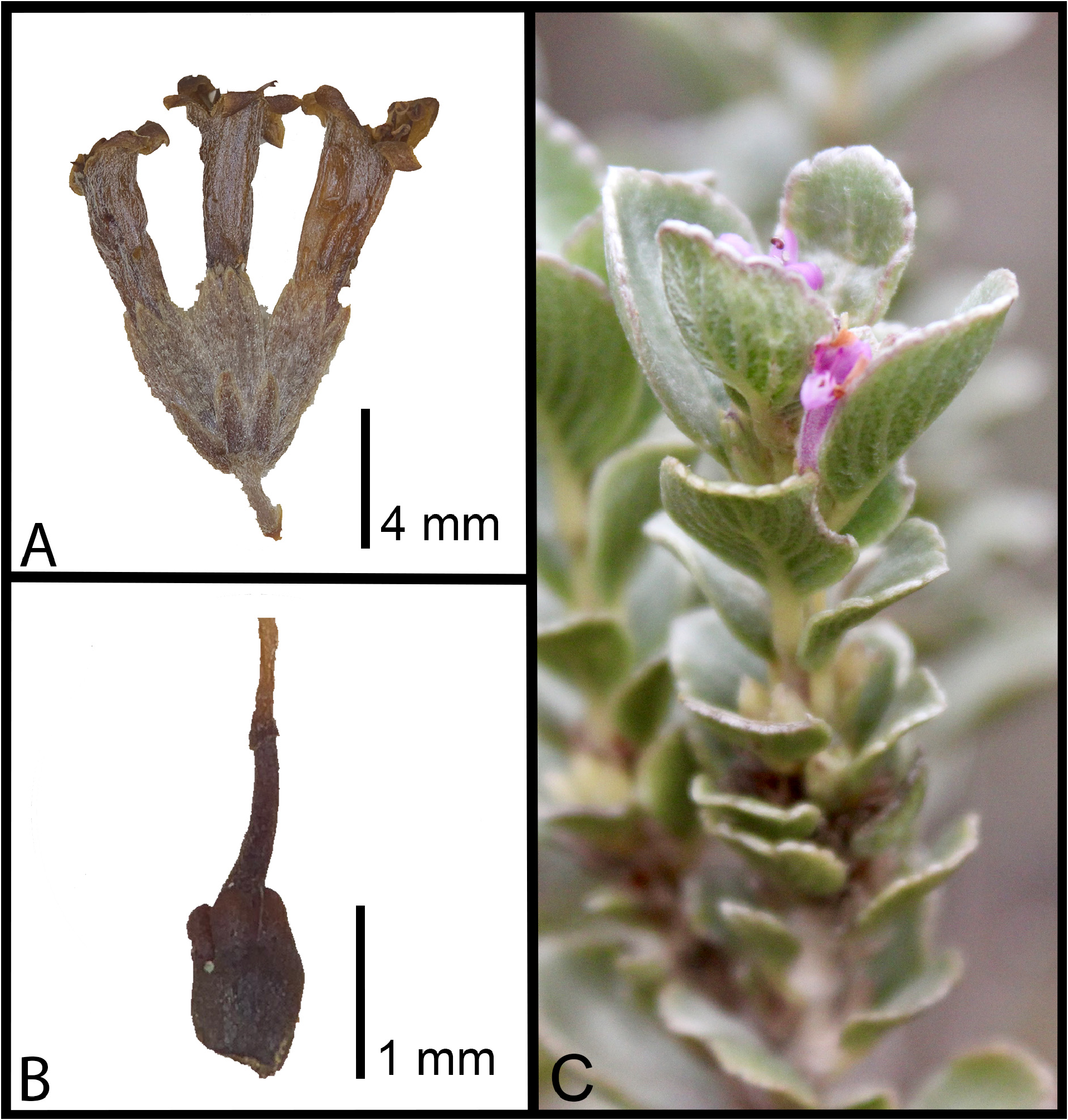
Persian zatar
Satureja thymbra L.

Satureja thymbra, known as Persian zatar, is a perennial-green dwarf shrub in the Lamiaceae family. It features dark-green leaves on compacted branches and produces pink to purple flowers from March to June. The plant is native to southeastern Europe, Libya, and other regions including Cyprus, Greece, Lebanon-Syria, Palestine, Turkey, and parts of the Aegean and Mediterranean.
Description
Satureja thymbra is a member of the Lamiaceae family and is commonly called Persian zatar. It is a low-growing shrub with dark-green leaves and pink to purple flowers that bloom between March and June. The plant reaches a height of 20–50 centimetres and is characterized by its compact, branched structure. It is native to southeastern Europe, Libya, and parts of the Mediterranean region, including Cyprus, Greece, Lebanon-Syria, Palestine, and Turkey. The species was first described in 1753 by Carl Linnaeus.
Other common names
Persian zatarpink savorywater savory
Distribution
FR · Cyprus · East Aegean Is. · Greece · Kriti · Lebanon-Syria · Libya · Palestine · Sardegna · Turkey-in-Europe · Turkey
Synonyms
Micromeria thymbraSatureja biroiSatureja collinaSatureja hispidaSatureja tragoriganumThymbra hirsutaThymbra hirsutissimaThymus hirsutissimusThymus tragoriganumClinopodium thymbraSatureja thymbra var. calvescens