Partridge-Pea
Chamaecrista nictitans (L.) Moench

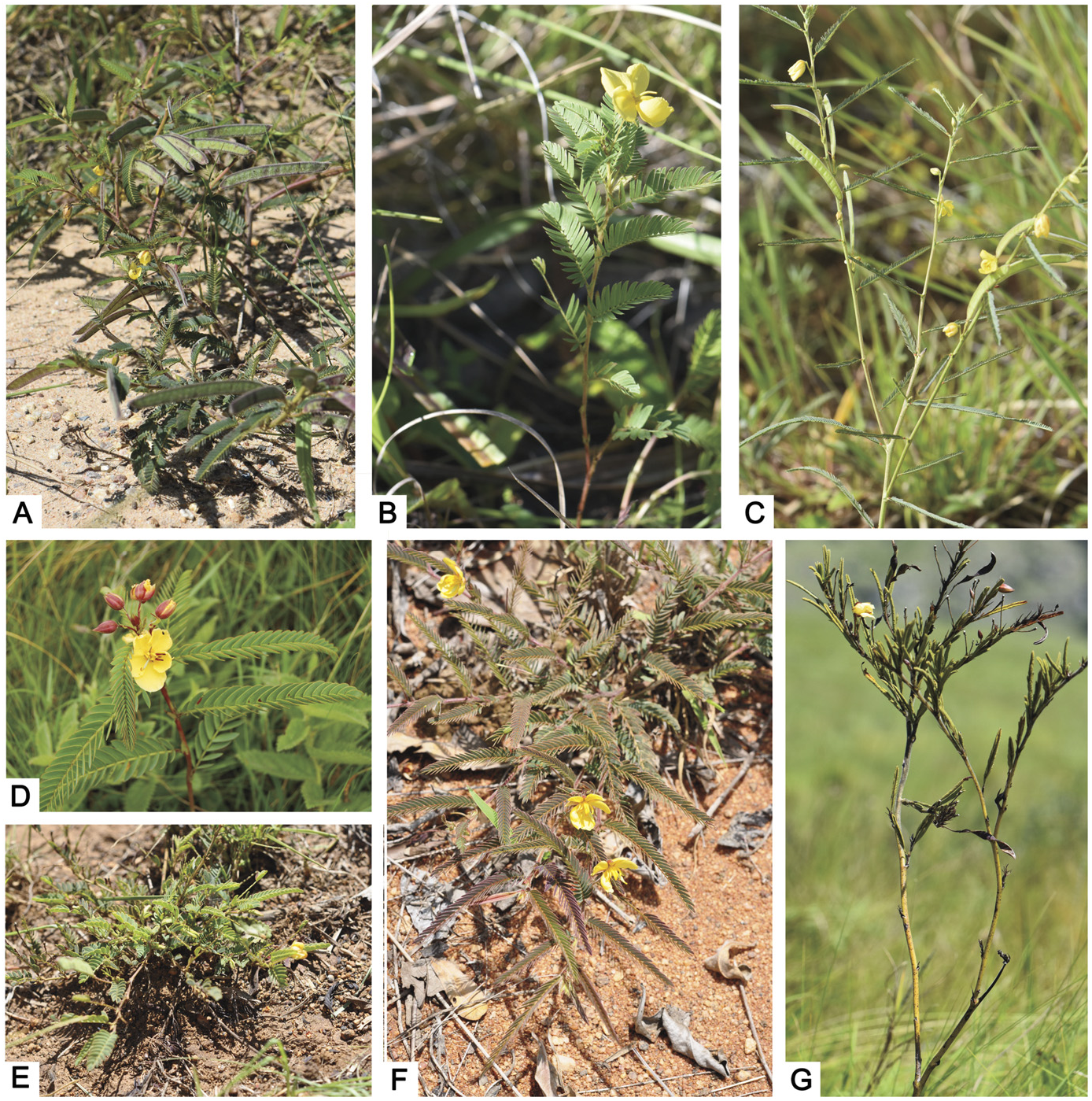
Chamaecrista nictitans, commonly known as Partridge-Pea, is a herbaceous legume native to the Americas, recognized for its sensitivity to touch. This species is an annual plant with a subshrub habit and is widely distributed across tropical and temperate regions. Its leaves are paripinnate with numerous leaflets, and it produces yellow flowers followed by linear legumes. The plant is notable for its nictitating (folding) response to stimuli, although some populations, such as those in Hawaii, lack this sensitivity.
Description
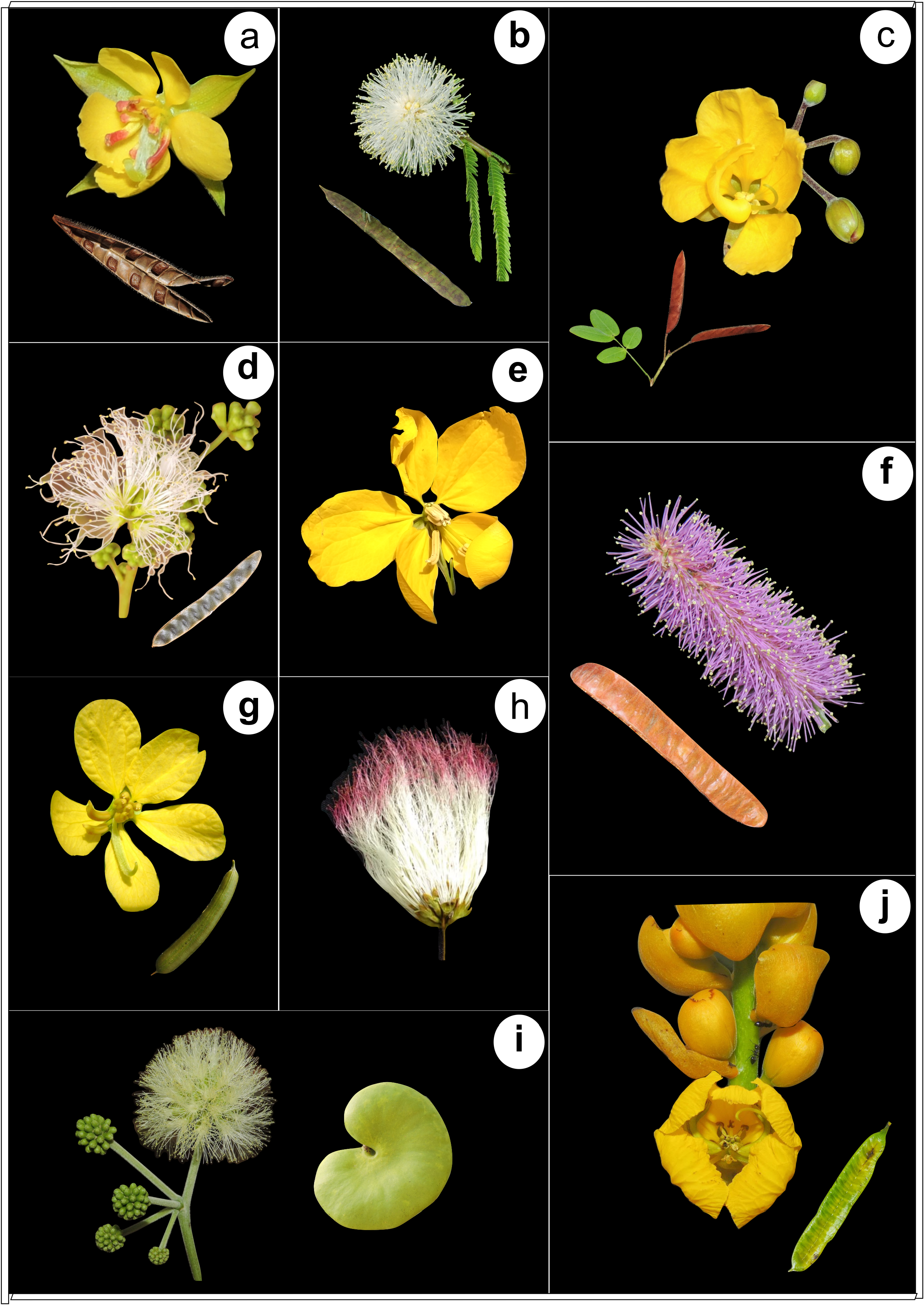
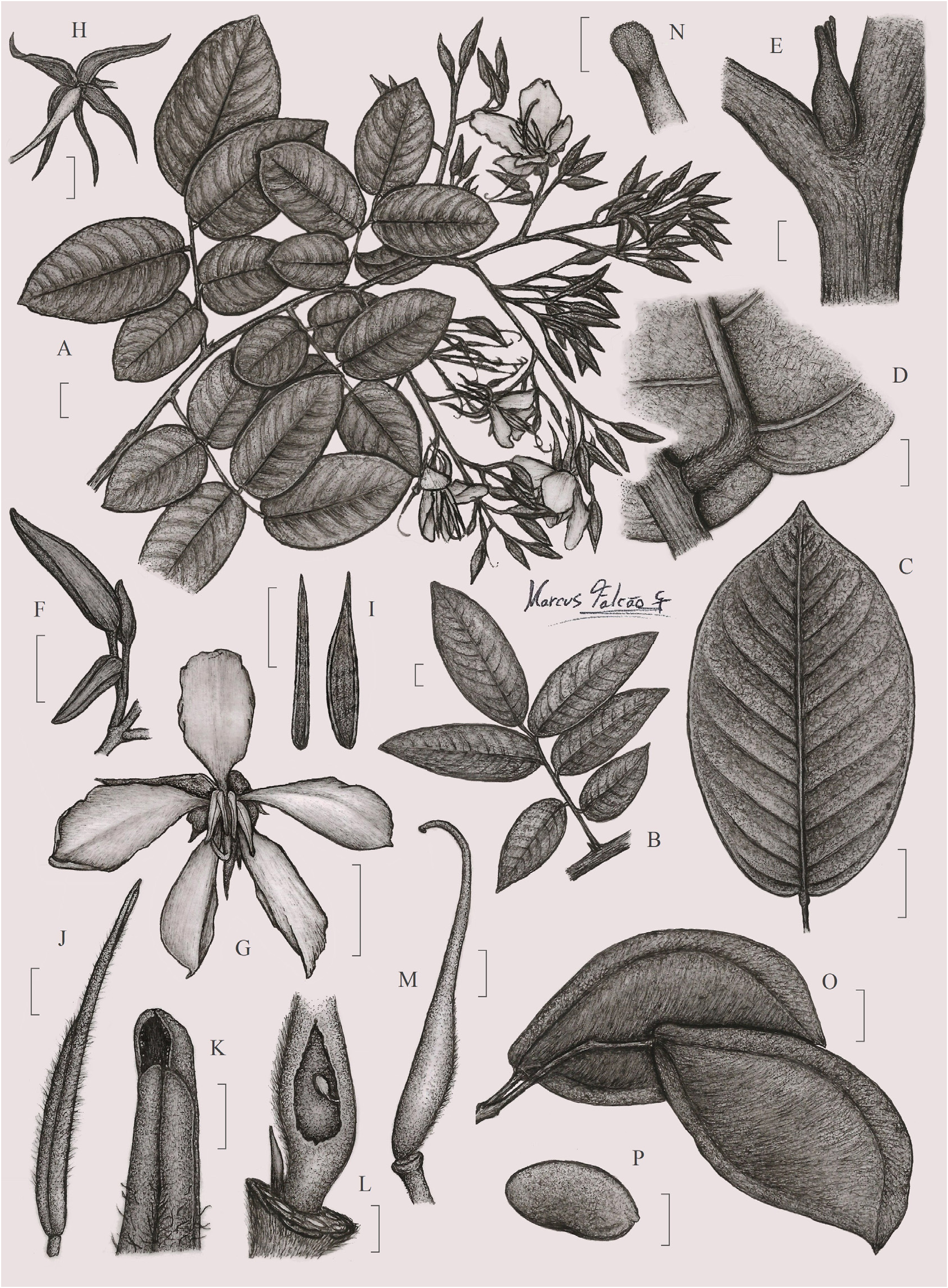
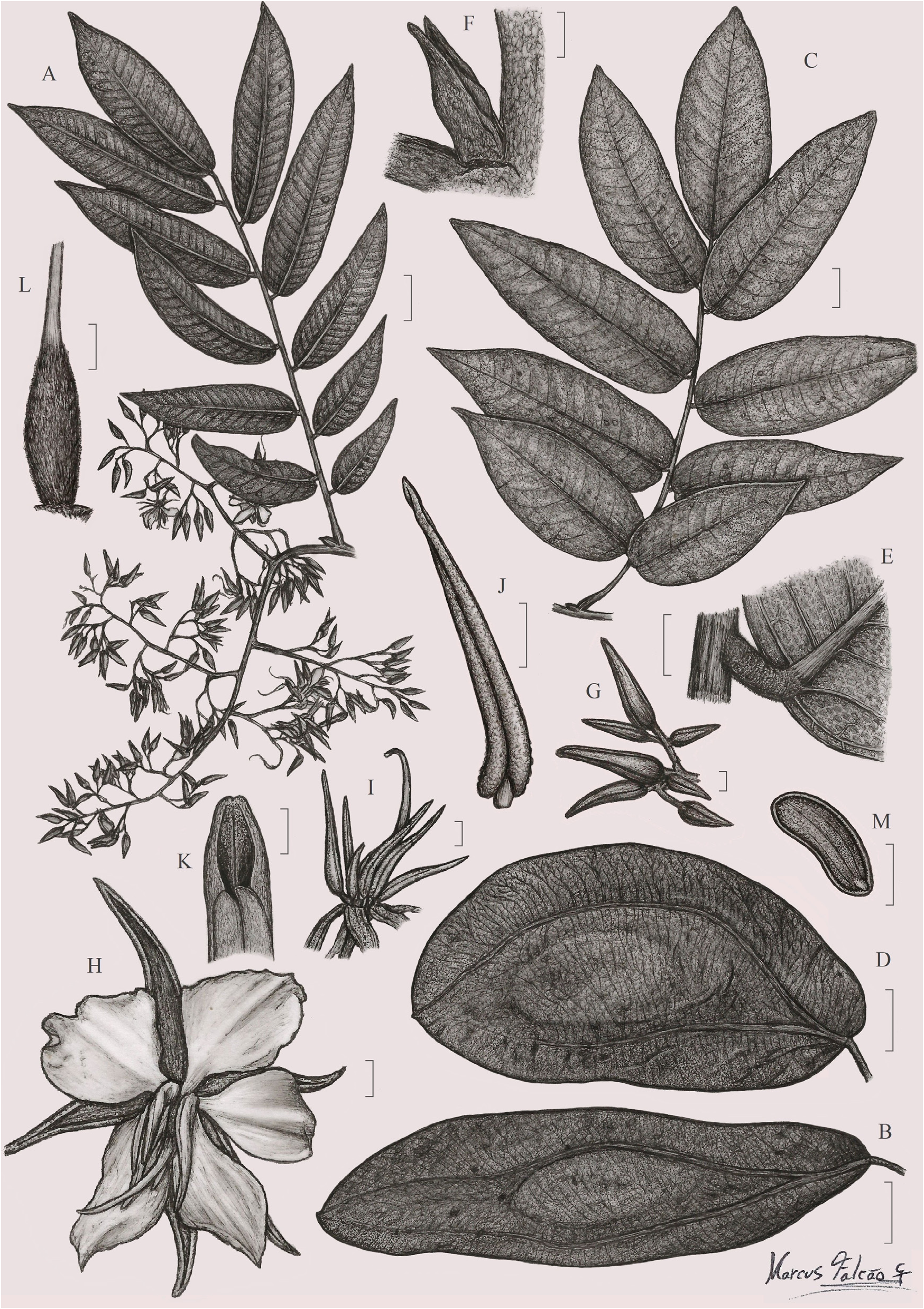
Chamaecrista nictitans is a subshrub with pilose, inermous branches. The leaves are paripinnate, with 30 to 32 opposite, oblong leaflets. The leaflets exhibit actinodromous venation and lack translucid punctuation. The plant bears axillary, cymose inflorescences with pedicellate, asymmetric flowers. Each flower has a dialysepalous calyx with five sepals and a dialypetalous corolla with five yellow petals. The androecium is dialystaminous and homodinamous, with longitudinal anthers. The ovary is superior, sessile, and pluriovulate. The fruit is a sessile, linear legume with a glabrous, brown epicarp. The seeds are trapezoidal, plane, with a black coat and a basal hilum.
Habitat
Chamaecrista nictitans is found in a variety of habitats, including semi-arid regions, open woodlands, and disturbed areas. It is native to a wide range of locations in the Americas, including parts of Brazil, Colombia, and the United States. The species is particularly common in conservation units such as the Semi-Arid Region of Paraíba, Brazil, and is also present in parks like Parque Nacional Natural Macuira and Parque Nacional Natural Sierra de la Macarena. It thrives in well-drained soils and is often found in tropical and subtropical climates.
Cultivation
Chamaecrista nictitans is relatively easy to cultivate in well-drained, sandy soils and requires full sun to partial shade. It is drought-tolerant and thrives in warm, temperate climates. The plant can be propagated from seeds, which should be sown in the spring after a period of cold stratification. It is often used in native plant gardens and restoration projects due to its ecological value and ornamental appeal. However, care should be taken to avoid overwatering, as the plant is susceptible to root rot in waterlogged conditions.
Uses
Chamaecrista nictitans has several ecological and ornamental uses. It is a nitrogen-fixing legume, making it valuable for soil enrichment and restoration projects. The plant is also used in native landscaping and as an ornamental species due to its unique leaf movement and attractive yellow flowers. In some regions, it is used as a forage plant for livestock, although its palatability may vary. Additionally, the plant's sensitivity to touch has made it a subject of interest in botanical and educational demonstrations.
Other common names
Partridge-PeaSensitive CassiaSensitive Partridge PeaSensitive Partridge-PeaSensitive PeaSensitive PlantSensitive-PeaWild Sensitive-Plant
Distribution
Antioquia, Arauca, Bolívar, Boyacá, Caldas, Casanare, Cauca, Chocó, Cundinamarca, Huila, La Guajira, Magdalena, Meta, Norte de Santander, Tolima, Valle del Cauca, Vaupés, Vichada · Boyacá; Santa maría · BR · CO · Parque Nacional Natural Macuira | Parque Nacional Natural Sierra de la Macarena | Parque Nacional Natural Los Katíos · NU · Yap · WS · PW · KI · Zacapa Finca Palmares de Zacapa · FM · MU · Puerto Parra | San Vicente de Chucurí · SE · Vermont-US · MY · GE · Antioquia, Arauca, Atlántico, Boyacá, Caldas, Caquetá, Casanare, Cauca, Chocó, Cundinamarca, Guainía, La Guajira, Huila, Magdalena, Meta, Norte de Santander, Santander, Sucre, Tolima, Valle, Vaupés, Vichada · NO · TW · Amazonia nororiental de Colombia, departamento del Guainía, municipio de Inírida. · Global · JP · Microcuenca alta de río Tillavá · SV · HN · GT · HT · FJ
Synonyms
Cassia nictitansChamaecrista multipinnataCassia nictitans var. conmixtaChamaecrista nictitans subsp. nictitansCassia nictidans