Paepalanthus chiquitensis
Paepalanthus chiquitensis Herzog

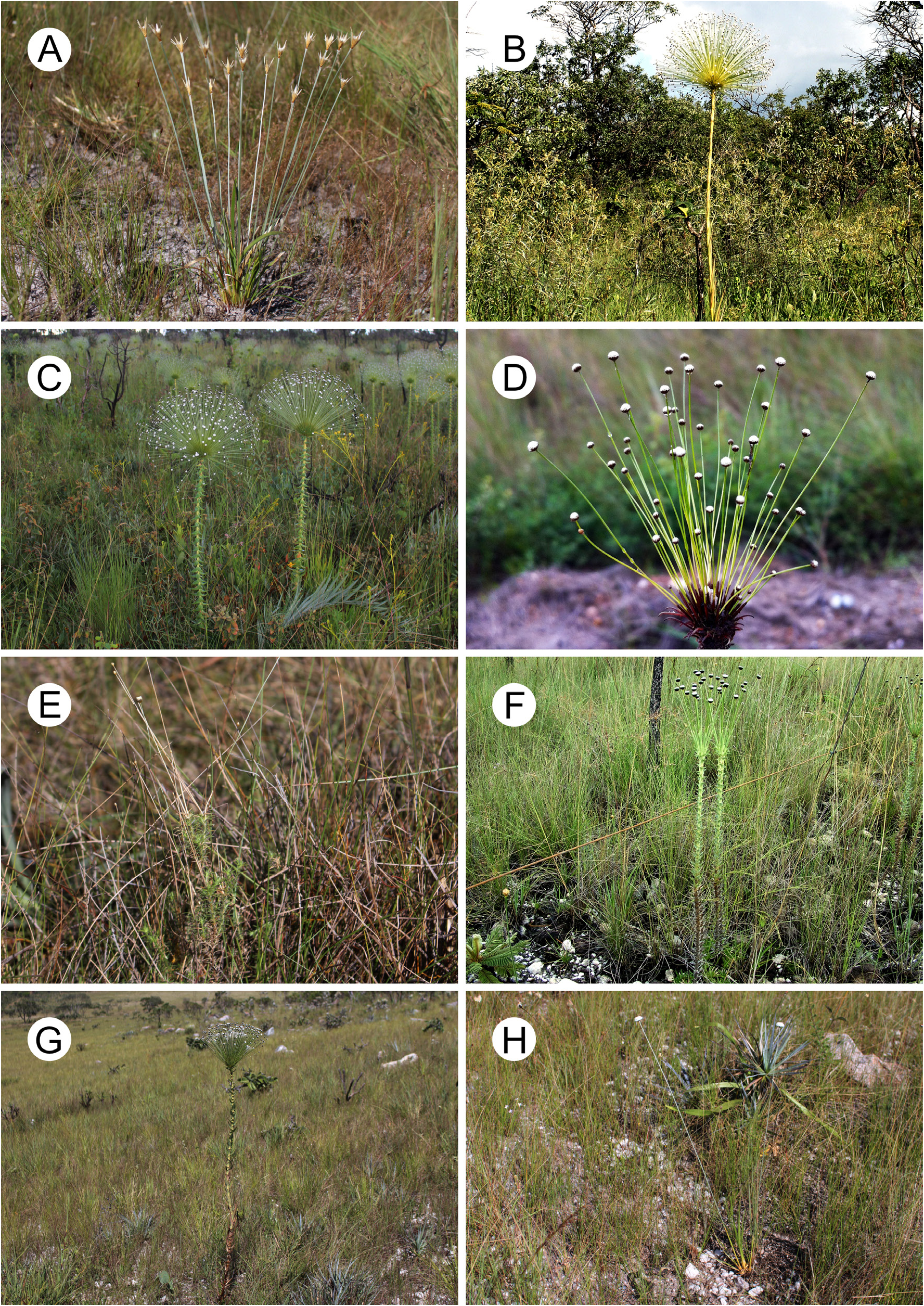
Paepalanthus chiquitensis is a species of the genus Paepalanthus within the Eriocaulaceae family, commonly known as the pipeworts or star-grasses. Described by Herzog in 1924, this plant is native to several regions in South America, including parts of Brazil and neighboring countries. It is particularly associated with the Parque Nacional Natural Serranía de Chiribiquete (PNNSCh) in Colombia, as well as areas in Bolivia, Brazil, and Venezuela. The species is part of a diverse group of plants within the Paepalanthoideae subfamily, which is known for its ecological and morphological diversity.
Description
Paepalanthus chiquitensis is a herbaceous plant characterized by its compact growth form and distinctive inflorescence structure typical of the Eriocaulaceae family. The plant features a rosette of basal leaves and an erect, often branched, flowering stem. The inflorescence is composed of numerous small, star-shaped flowers arranged in a dense head, a hallmark of the Eriocaulaceae. The species is known for its ecological adaptability and is often found in open, well-drained habitats. Morphological features such as leaf shape, stem height, and inflorescence structure are key to its identification within the genus.
Habitat
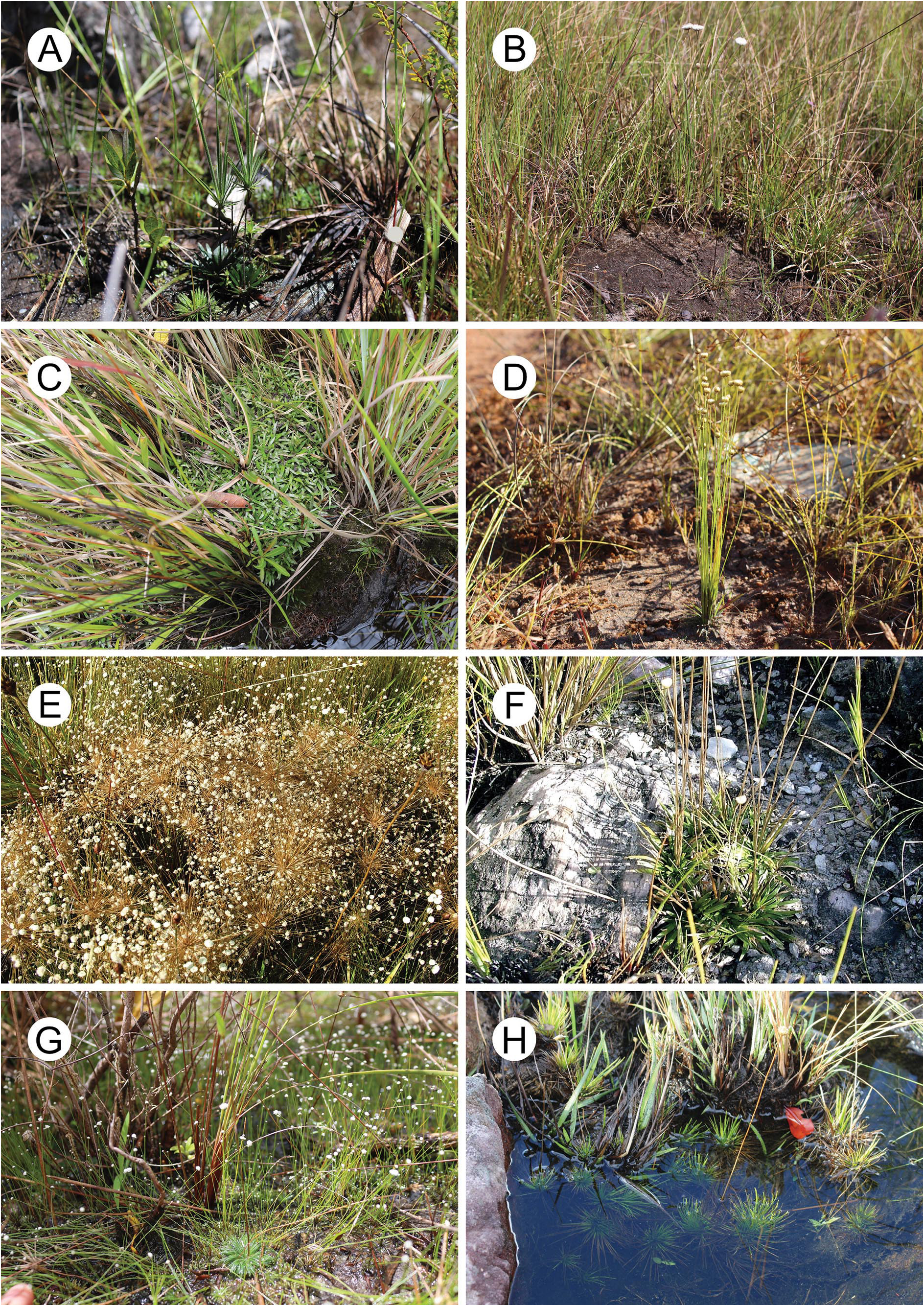
This species is typically found in open, sunny habitats such as grasslands, savannas, and rocky outcrops. It is well-adapted to a range of environmental conditions, including seasonal variations in temperature and moisture. Paepalanthus chiquitensis is often associated with nutrient-poor soils and can thrive in areas with limited organic matter. Its distribution across several South American countries suggests a degree of ecological flexibility, allowing it to occupy a variety of microhabitats within its range.
Cultivation
While Paepalanthus chiquitensis is primarily a wild species, it can be cultivated in controlled environments that mimic its natural habitat. It requires well-draining soil and full sun exposure to thrive. The plant is relatively drought-tolerant once established, making it suitable for xeriscaping or rock garden settings. Cultivation efforts should focus on replicating the open, airy conditions typical of its native environments. Propagation is best achieved through seed, and care should be taken to avoid overwatering, as the plant is susceptible to root rot in waterlogged soils.
Uses
Paepalanthus chiquitensis does not have widespread economic or horticultural use, but it is of interest to botanists and ecologists due to its role in local ecosystems. Its presence in diverse habitats contributes to the ecological balance by providing food and habitat for various invertebrates. Additionally, the species is valuable for scientific research, particularly in the study of plant diversity and adaptation in the Neotropical region. Conservation efforts are important to protect this and other Eriocaulaceae species, as they are often indicators of healthy, undisturbed ecosystems.
Distribution
BR · Parque Nacional Natural Serranía de Chiribiquete (PNNSCh) · Bolivia · Brazil Northeast · Brazil North · Brazil Southeast · Brazil West-Central · Colombia · Venezuela
Synonyms
Dupatya speciosaEriocaulon speciosumPaepalanthus amoenus var. bolivianusPaepalanthus erectifolius var. glaberPaepalanthus erectifolius var. grandifoliusPaepalanthus formosusPaepalanthus giganteusPaepalanthus moldenkeanusPaepalanthus speciosusPaepalanthus speciosus var. angustifoliusPaepalanthus speciosus var. attenuatusPaepalanthus speciosus var. bolivianusPaepalanthus speciosus f. calvescensPaepalanthus speciosus var. goyazensisPaepalanthus speciosus var. pulverulentusPaepalanthus erectifolius var. glabra