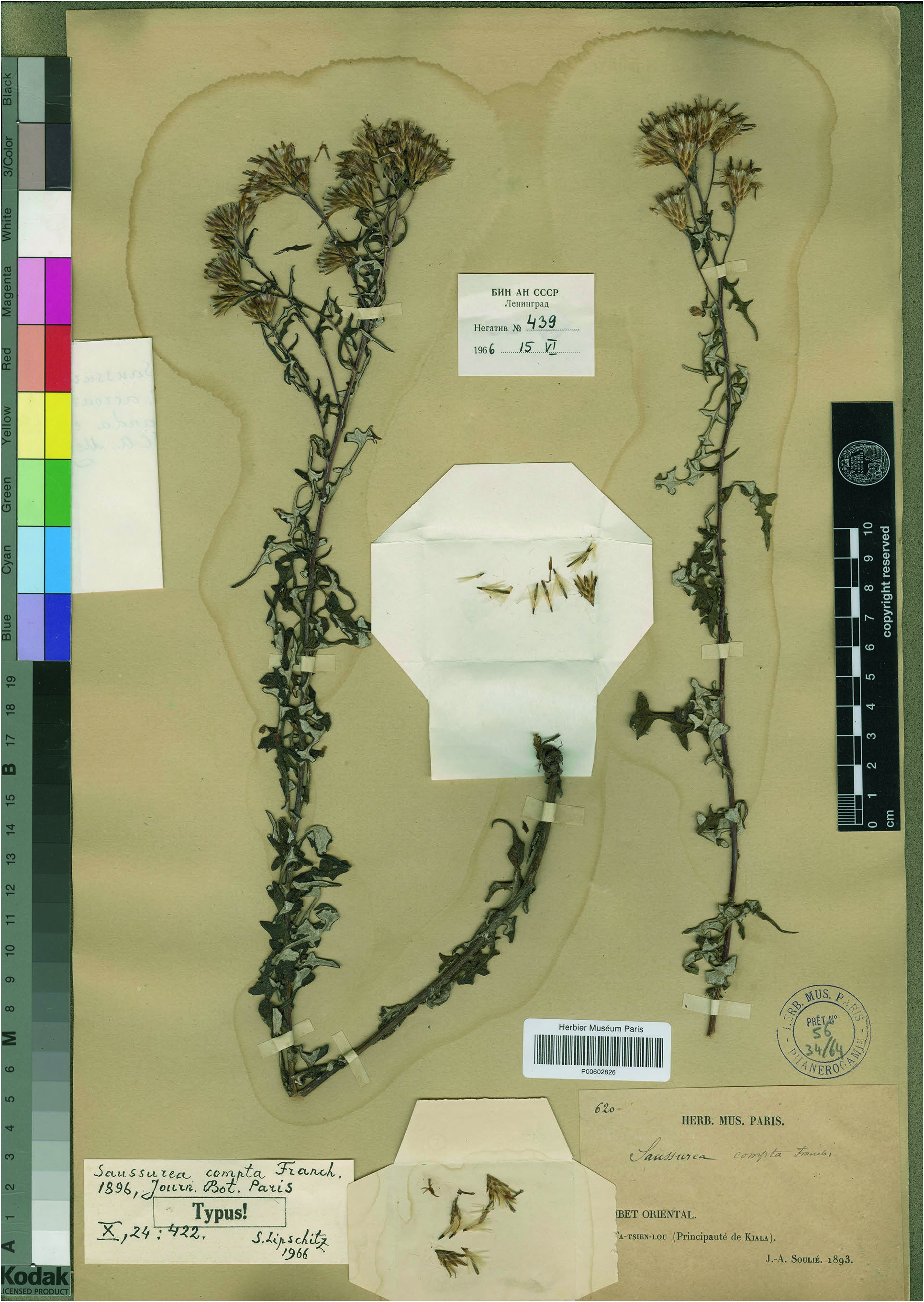
Native sow-thistle
Sonchus asper (L.) Hill

Sonchus asper, commonly known as prickly sow-thistle, is a member of the Asteraceae family, native to a wide range of regions across North America and parts of Australia. It is an annual or biennial herb that can grow up to 220 cm tall. The plant is characterized by its spiny leaves, yellow flowers, and distinctive seed dispersal mechanism. It is often found in disturbed habitats and is known for its adaptability to various environmental conditions.
Description
Sonchus asper is an herbaceous plant that can reach heights of 10 to 220 cm. Its flowering stems are erect, often hollow, and may be glaucous or glandular in the upper part. The leaves are ovate to oblong, with lengths up to 40 cm and widths up to 8 cm. They are typically entire, pinnatifid, or pinnatisect, with spiny or dentate edges. The lower leaves have petiole-like structures with wings, while the middle and upper leaves are auriculate and amplexicaul. The synflorescence is corymbiform, with 4 to 20 flower heads. Each head contains over 100 yellow flowers with purple-tinged ligules. The achenes are obovoid or fusiform, with three longitudinal ribs, and are dispersed by a white, flexible pappus.
Habitat
Sonchus asper is commonly found in disturbed habitats such as roadsides, fields, and waste areas. It thrives in a variety of soil types and is often seen in temperate and subarctic regions. Its wide distribution includes regions like Greenland, Labrador, Newfoundland, and various parts of Canada and the United States. It is also present in Australian territories and parts of Central America, such as Guerrero in Mexico.
Cultivation
Although not typically cultivated for ornamental or agricultural purposes, Sonchus asper can be grown in garden settings for its hardiness and ability to thrive in poor soils. It prefers full sun and well-drained soil. Due to its rapid growth and tendency to spread, it may be considered a weed in cultivated areas. Propagation is usually through seeds, which are dispersed by wind due to the pappus. Regular pruning can help manage its growth in controlled environments.
Uses
Sonchus asper has limited direct use in agriculture or horticulture. However, it is sometimes used as a forage plant for livestock, though it is not highly palatable. The plant is also of interest to botanists and ecologists due to its adaptability and role in disturbed ecosystems. In some regions, it may be used in traditional medicine, though specific uses are not widely documented.
History
Sonchus asper has a long history of being recognized in botanical literature. It was first described by Linnaeus in 1769 and later revised by Hill. The plant has been studied for its morphological characteristics and ecological adaptability. Over time, it has been noted for its widespread distribution and ability to colonize disturbed areas, making it a subject of interest in ecological and botanical research.
Curiosities
One of the most notable features of Sonchus asper is its ability to thrive in a wide range of environments, from the cold climates of Greenland to the warmer regions of Mexico. The plant's spiny leaves and robust growth make it a common sight in disturbed habitats. Its yellow flowers and distinctive seed dispersal mechanism also make it an interesting subject for ecological studies. Despite its widespread presence, it is often overlooked in favor of more showy species.
Other common names
Spiny sowthistlePrickly sow thistlerough sow thistlePrickly SowthistleNative sow-thistleRough SowthistleSow ThistleRough Milk ThistleNative SowthistleRough Sow-thistlePrickly Sow-thistlePrickly Annual Sow-ThistleSharp-Fringed Sow ThistleSpiny Annual Sow-ThistleSpiny Sow Thistle
Distribution
Greenland · Labrador · Newfoundland · Alberta · British Columbia · Manitoba · New Brunswick · Nova Scotia · Northwest Territories · Ontario · Prince Edward Island · Quebec · Saskatchewan · Yukon · Saint Pierre and Miquelon · Rhode I. · Australian Capital Territory · Guerrero · Ohio · Oklahoma · Córdoba · Turkey-in-Europe · Romania · Arizona · West Virginia · Netherlands · Denmark · Germany · Ireland · Açôres
Synonyms
Sonchus spinulosusSonchus asperSonchus oleraceus f. runcinatusSonchus decipiensSonchus crocifoliusSonchus infestusSonchus glaberSonchus fallax var. laevisSonchus spinulosusSonchus fallax var. asperSonchus fallax var. fallaxSonchus asper var. asperSonchus fallax var. decipiensSonchus aemulusSonchus asper var. inermisSonchus carolinianusSonchus fallaxSonchus spinosusSonchus tibesticusSonchus oleraceus var. asperSonchus cuspidatusSonchus australisSonchus oleraceus subsp. asperSonchus eryngiifoliusSonchus asper var. pungensSonchus asper f. asperSonchus viridisSonchus umbellatusSonchus asperSonchus oleraceus