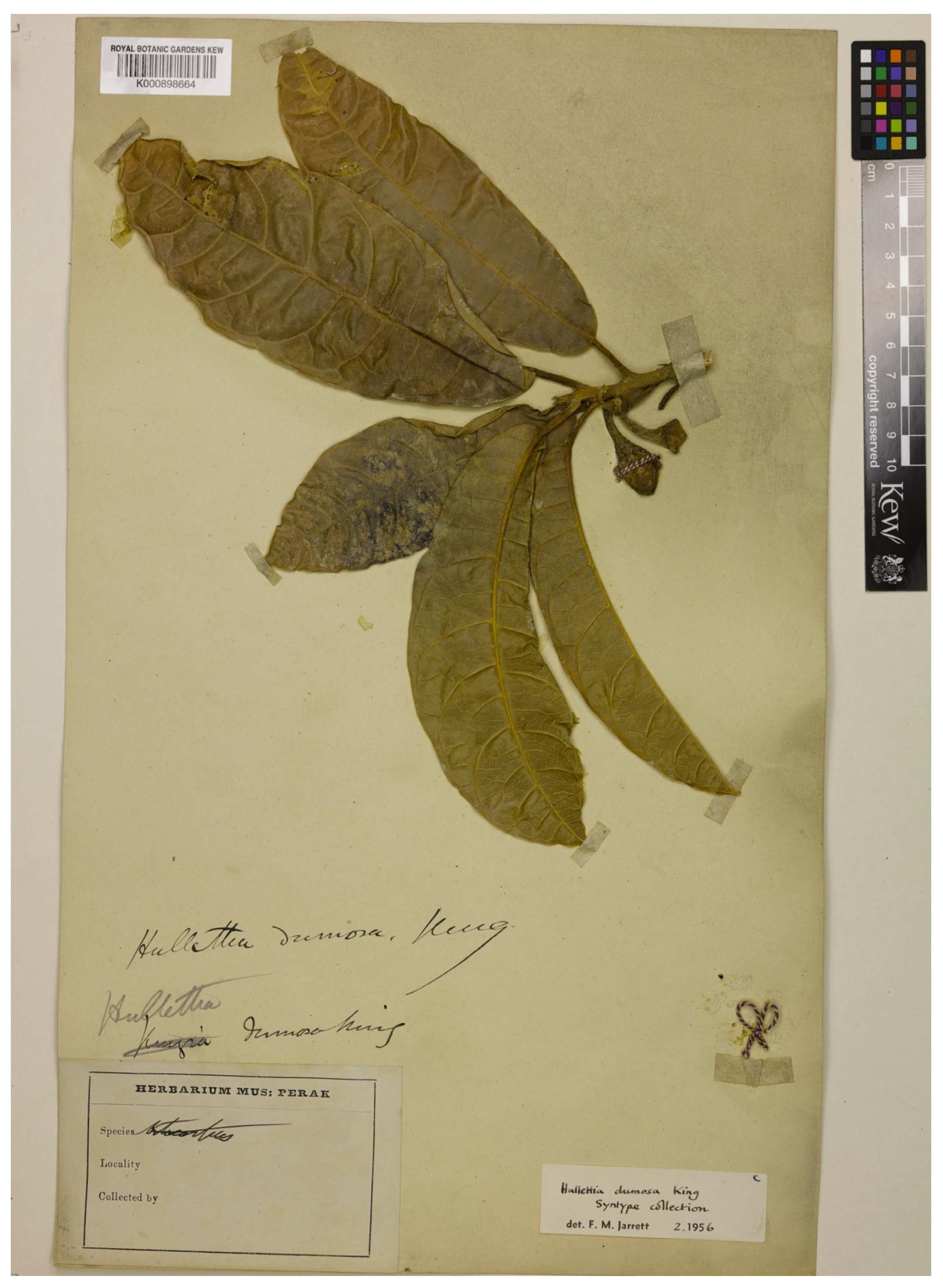
Morus mongolica
Morus mongolica (Bureau) C.K.Schneid.

Morus mongolica is a woody plant native to mountain forests in Mongolia, China, Korea, and Japan. It is also known as Mongolian mulberry, meng sang (China), and ilama in Mongolia. It is an uncultivated mulberry species, similar to M. notabilis.
Description
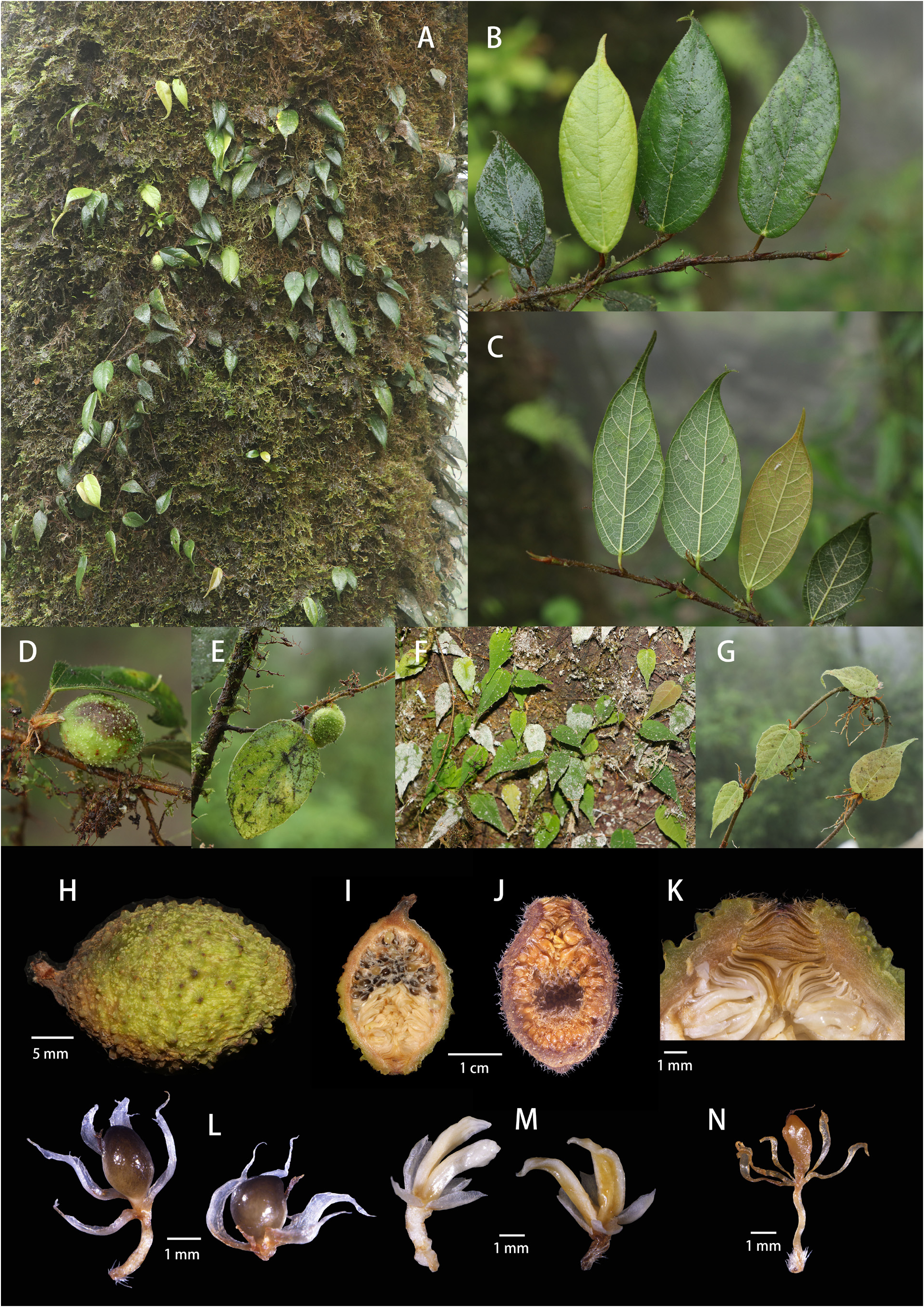
Morus mongolica is an evergreen tree or shrub with branches that grow horizontally or vertically in flat planes. Leaves are scale-like, opposite, and cross-arranged, with side leaves almost completely enclosing the central leaf. Stomatal lines develop on the underside. The plant is monoecious, with pollen cones that are egg-shaped and have 8-12 overlapping stamens. Fruits develop singly at the ends of branches, opening after maturing in one year. They are nearly egg-shaped or elongated, with 6-8 thick, fleshy seed scales. Seeds have almost no wings, and the plant has two cotyledons. It is found in regions including China North-Central, China South-Central, China Southeast, Inner Mongolia, Japan, Korea, Manchuria, Mongolia, and Tibet.
Distribution
Global · China North-Central · China South-Central · China Southeast · Inner Mongolia · Japan · Korea · Manchuria · Mongolia · Tibet
Synonyms
Morus deqinensisMorus barkamensisMorus mongolica var. rotundifoliaMorus mongolica var. barkamensisMorus mongolica var. longicaudataMorus mongolica var. hopeiensisMorus mongolica var. diabolicaMorus alba var. mongolicaMorus mongolica var. vestitaMorus mongolica var. pubescens