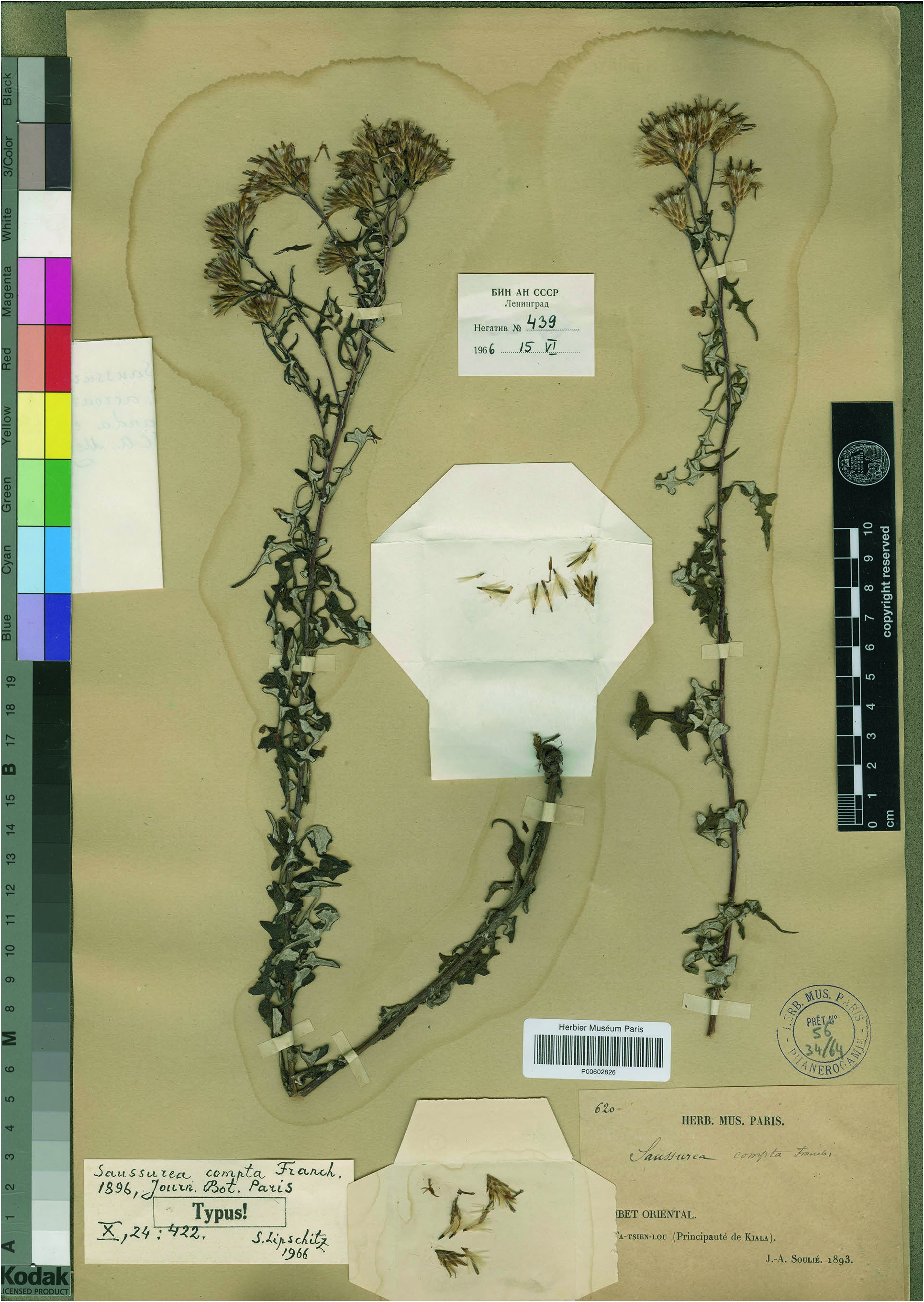
Marsh Hawk's-beard
Crepis paludosa (L.) Moench

Crepis paludosa, commonly known as Marsh Hawk's-beard, is a perennial herb native to Europe and parts of Asia. It is a member of the Asteraceae family and is characterized by its tall, erect stems and yellow, ligulate flowers. The plant is widely distributed across much of Europe, including countries such as Slovenia, Russia, and Spain, with isolated populations in Iceland, the Ural Mountains, and the Caucasus. It was first described in 1794 by Moench, based on the original work of Linnaeus.
Description
Crepis paludosa is a tall, perennial herb that grows between 25 and 100 cm in height. It has a strong rhizome and erect, often red-tinged stems that are glabrous and branched in the upper half. The leaves are dark green on the upper surface and pale green on the lower surface, varying in shape from narrowly obovate at the base to ovate in the middle and linear toward the top. The plant produces yellow, ligulate flowers in corymbiform synflorescences, with each head containing 35 to 45 flowers. The involucre is campanulate, and the achenes are cylindrical with 10 ribs. The pappus is pale brown and fragile.
Habitat
Crepis paludosa is typically found in wet, marshy habitats, which is reflected in its common name, Marsh Hawk's-beard. It thrives in moist soils and is often associated with wetlands, ditches, and the edges of water bodies. Its distribution across Europe suggests a preference for temperate climates and a wide ecological tolerance.
Cultivation
Crepis paludosa is not commonly cultivated for ornamental or agricultural purposes. However, it can be grown in moist garden soils and may be suitable for naturalistic planting schemes or wetland restoration projects. It requires consistent moisture and well-drained but damp soil conditions to thrive. The plant is hardy and can tolerate a range of soil types, provided they remain moist.
Uses
Crepis paludosa is primarily of ecological interest and is not widely used in horticulture or agriculture. It may serve as a food source for certain insects and contribute to biodiversity in wetland ecosystems. There is no significant historical or modern use of this species in traditional medicine or as a food source for humans.
Other common names
Marsh Hawk's-beardmarsh hawksbeard
Distribution
Slovenia · East European Russia · Bulgaria · Estonia · Netherlands · Ukraine · Spain · Northern Ireland · France · Iceland · Switzerland · Sweden · Great Britain · Austria · Serbia · Poland · North European Russia · Slovakia · Lithuania · Krym · Croatia · Norway · Bosnia-Herzegovina · Ireland · Luxembourg · Italy · Montenegro · Northwest European Russia · Belgium · Kaliningrad
Synonyms
Hieracium paludosumHieracium paniculatumAracium paludosumGeracium paludosum var. montanumCrepis paludosa var. brachyotusCrepis paludosa var. paludosaGeracium paludosum var. paludosumAracium attenuatumGeracium paludosum var. alpinumBarkhausia paludosaLimnocrepis paludosaGeracium paludosumAracium paludosumHieracioides paludosa