Mansoa difficilis
Mansoa difficilis (Cham.) Bureau & K.Schum.
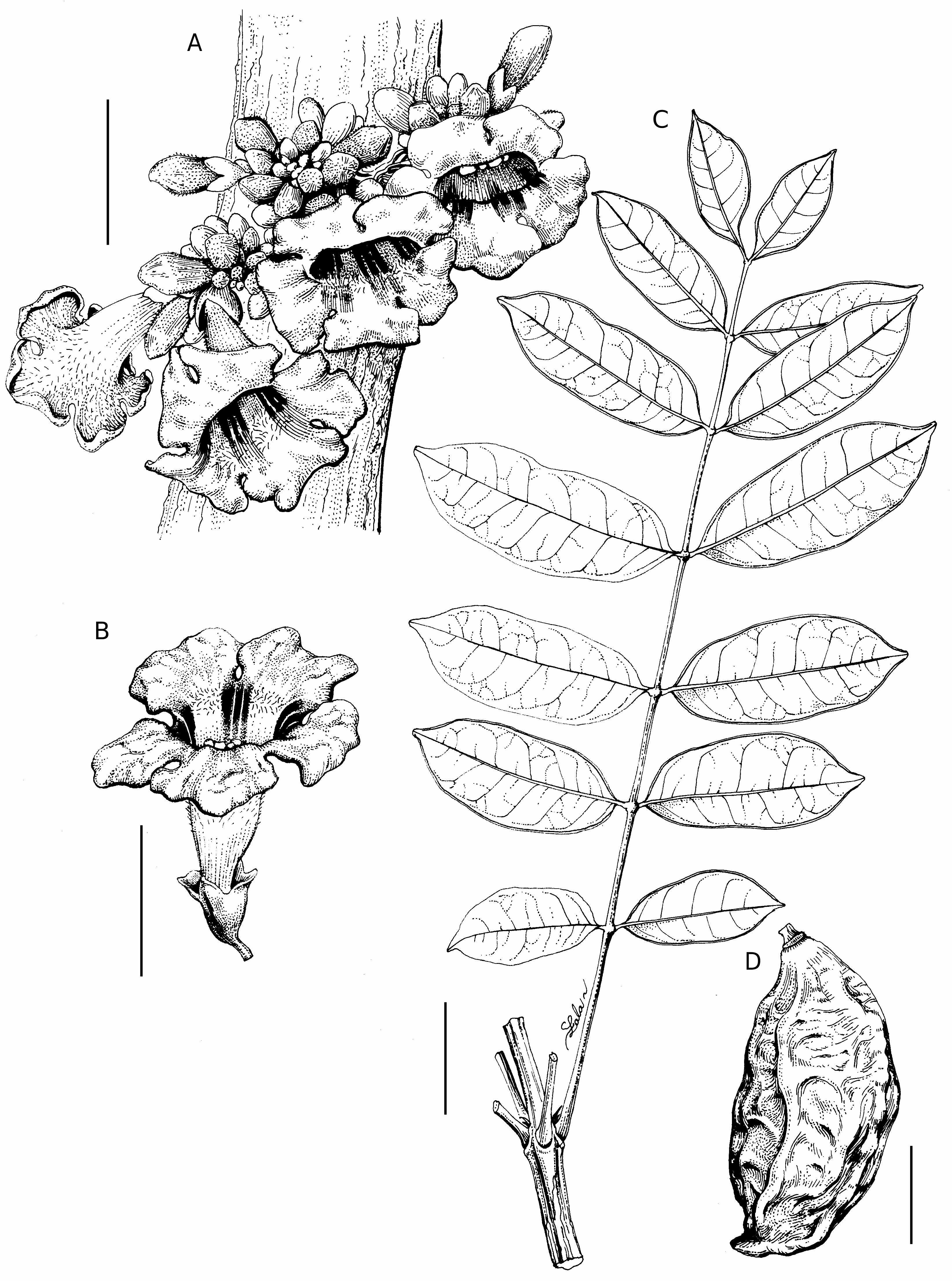
Mansoa difficilis is a neotropical liana in the Bignoniaceae family, native to Brazil, Argentina, and Paraguay. It is characterized by striated bark and extrafloral nectaries near leaflet veins abaxially. Reproductive activity includes flowering in February, June, September, October, and November, with fruiting in October.
Description
Mansoa difficilis (Cham.) Bureau & K.Schum. is a member of the Bignoniaceae family, found in northeastern, northern, southeastern, southern, and west-central Brazil, as well as in Argentina and Paraguay. The species is distinguished by its striated bark and the presence of extrafloral nectaries close to the leaflet veins on the underside. It flowers in multiple months, including February, June, September, October, and November, with fruiting observed in October. The plant produces fuchsia to purple flowers and is adapted to a range of habitats within its native distribution. The species was first described in 1896 and is part of the broader Mansoa genus within the Bignoniaceae.
Distribution
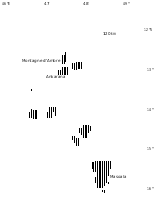
BR · Argentina Northeast · Bolivia · Brazil Northeast · Brazil North · Brazil Southeast · Brazil South · Brazil West-Central · Paraguay
Synonyms
Chodanthus praepensusChodanthus splendensChodanthus splendens var. glomeratusChodanthus splendens var. grandifloraMansoa acuminatissimaMansoa laevisAdenocalymma glomeratumAdenocalymma splendensArrabidaea grandifloraBignonia difficilisCydista difficilisCydista praepensaClytostoma punctatumChodanthus splendens var. genuina