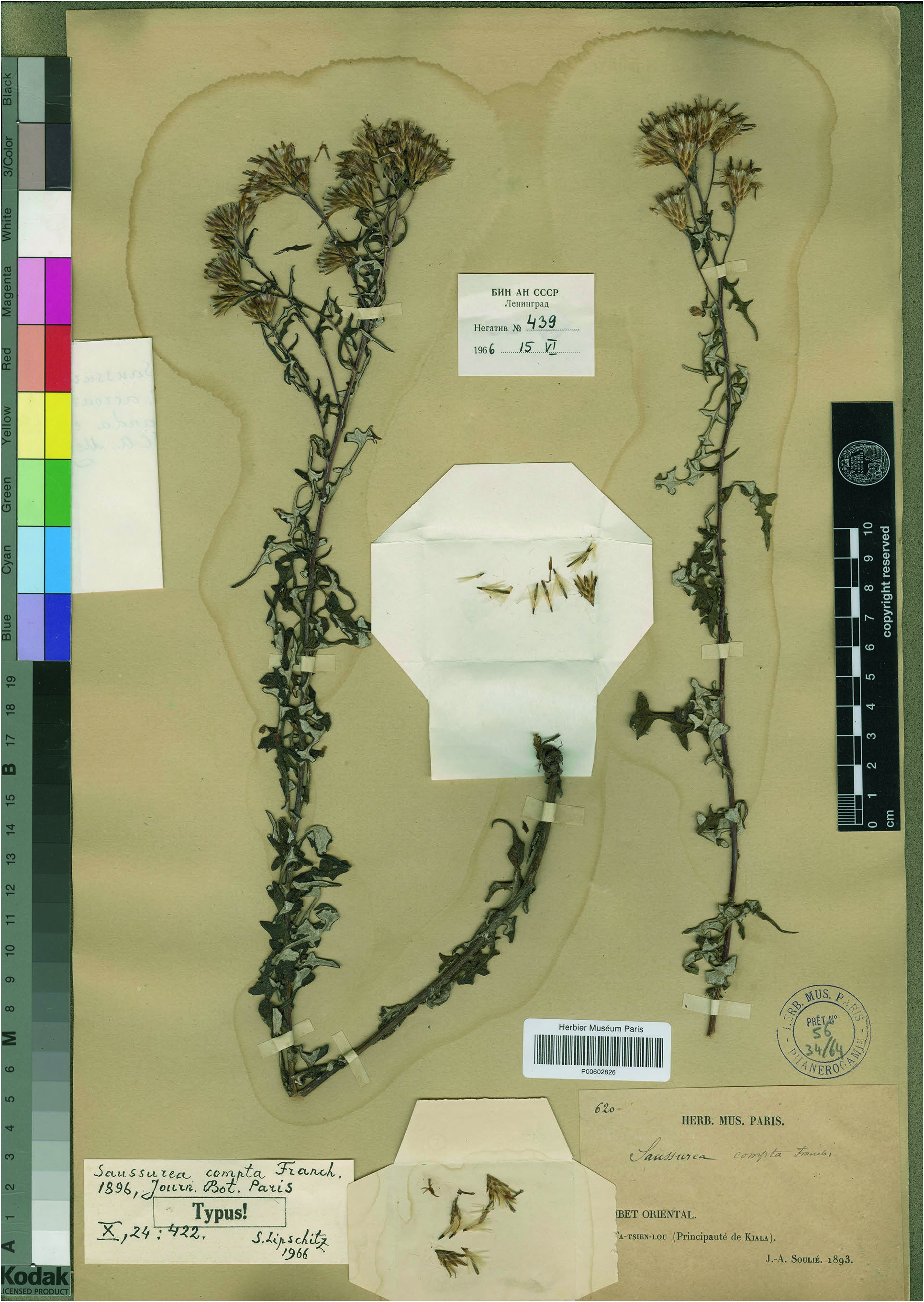
hawkweed
Picris hieracioides L.

Picris hieracioides, commonly known as hawkweed, is a biennial or perennial herb belonging to the Asteraceae family. It is characterized by its thick stock, long fleshy roots, and tall, rigid stems that can reach up to 145 cm in height. This species is widely distributed across various regions, including parts of North America, Europe, and Asia. The plant is known for its yellow ligulate flowers and is a member of the genus Picris, which is recognized for its diverse and often weedy representatives.
Description
Picris hieracioides is a robust herb with a thick, fleshy root system and a tall, furrowed stem that is often tinged with a brownish-purple hue. The leaves are yellowish-green on the upper surface and paler beneath, with a range of shapes from lanceolate to oblong. The basal and lower cauline leaves are larger, with toothed margins, while the median and upper cauline leaves are smaller, sessile, and amplexicaul. The plant produces numerous yellow ligulate flowers, each with a five-lobed apex. The involucral bracts are linear-lanceolate to narrowly elliptical, and the peduncles are often bracteate and thickened at the tip. The plant is covered with simple, forked, and anchor-like hairs, which contribute to its distinctive appearance.
Habitat
Picris hieracioides is found in a variety of habitats, including disturbed soils, roadsides, and open fields. It thrives in temperate regions and is often associated with areas that have been recently disturbed or are undergoing ecological succession. The plant is native to parts of North America, Europe, and Asia, and has been introduced to other regions, including New Zealand. It is particularly common in regions with a continental or oceanic climate, where it can take advantage of the open conditions to establish and spread.
Cultivation
While Picris hieracioides is not typically cultivated for ornamental or agricultural purposes, it can be grown in garden settings where its bright yellow flowers add a splash of color. It prefers well-drained soils and full sun to partial shade. The plant is relatively easy to grow from seed and can tolerate a range of soil types. However, due to its aggressive growth and ability to spread rapidly, it is often considered a weed in cultivated areas and may require regular maintenance to prevent it from becoming invasive.
Uses
Picris hieracioides is primarily known for its ecological role as a pioneer species in disturbed habitats. It is not widely used in traditional medicine or horticulture, but its bright yellow flowers make it a potential candidate for use in wildflower gardens. The plant is also of interest to botanists and taxonomists due to its historical significance in the classification of the genus Picris. Its ability to thrive in a variety of conditions makes it a useful indicator species for studying ecological succession and plant community dynamics.
Other common names
Hawkweed OxtongueHawkweed picrishawkweedox-tongueHawkweed Ox-TongueOxtongue
Distribution
Labrador · British Columbia · Ontario · Portugal · Bulgaria · Liechtenstein · Corse · Ireland · Vermont · Hungary · West Siberia · Kaliningrad · New Zealand North · Krym · Northern Ireland · Abkhaziya · Rhode I. · Moldova · Sicilia · Lebanon · Slovenia · Czechoslovakia · New Zealand South · Albania · Belgium · Heilongjiang · Greece · Pennsylvania · Belarus · Australian Capital Territory
Synonyms
Picris attenuataLeontodon hieracioidesCrepis virgataCrepis hieracioidesPicris humifusaCrepis scabraCrepis lappaceaCrepis lappaceaPicris gracilisPicris spinulosaPicris kellerianaHieracium muricellumPicris strictaPicris strigosaPicris angustissimaPicris transsilvanicaPicris jessoensisPicris rigidaPicris corymbosaPicris ruderalisPicris arvalisPicris nepalensisPicris japonica var. akaishiensisPicris japonica var. jessoensisPicris hieraciumHieracium muricellum subsp. muricellumPicris japonica var. mayebaraePicris hispidissimaPicris angustissimaPicris lappacea