Habenaria trifida
Habenaria trifida Kunth

Habenaria trifida is a species of orchid belonging to the Orchidaceae family, a group known for its diverse and often intricate floral structures. This species is widely distributed across Central and South America, including regions in Mexico, Central America, and northern South America. It was first described in 1816 by Carl Friedrich Philipp von Martius, under the authorship of Kunth. The species is notable for its ecological adaptability and presence in various habitats across its range.
Description
Habenaria trifida is characterized by its typical orchid features, including a column that unites the reproductive structures and a labellum (lip) that often plays a role in pollination. The species is known from voucher specimens such as J. B. Edwards 203 (AMES), which confirms its presence in Honduras. While detailed morphological descriptions are not provided here, the species is part of the Habenaria genus, which is known for its terrestrial and epiphytic growth forms and often includes species with delicate, grass-like leaves and small, clustered flowers.
Habitat
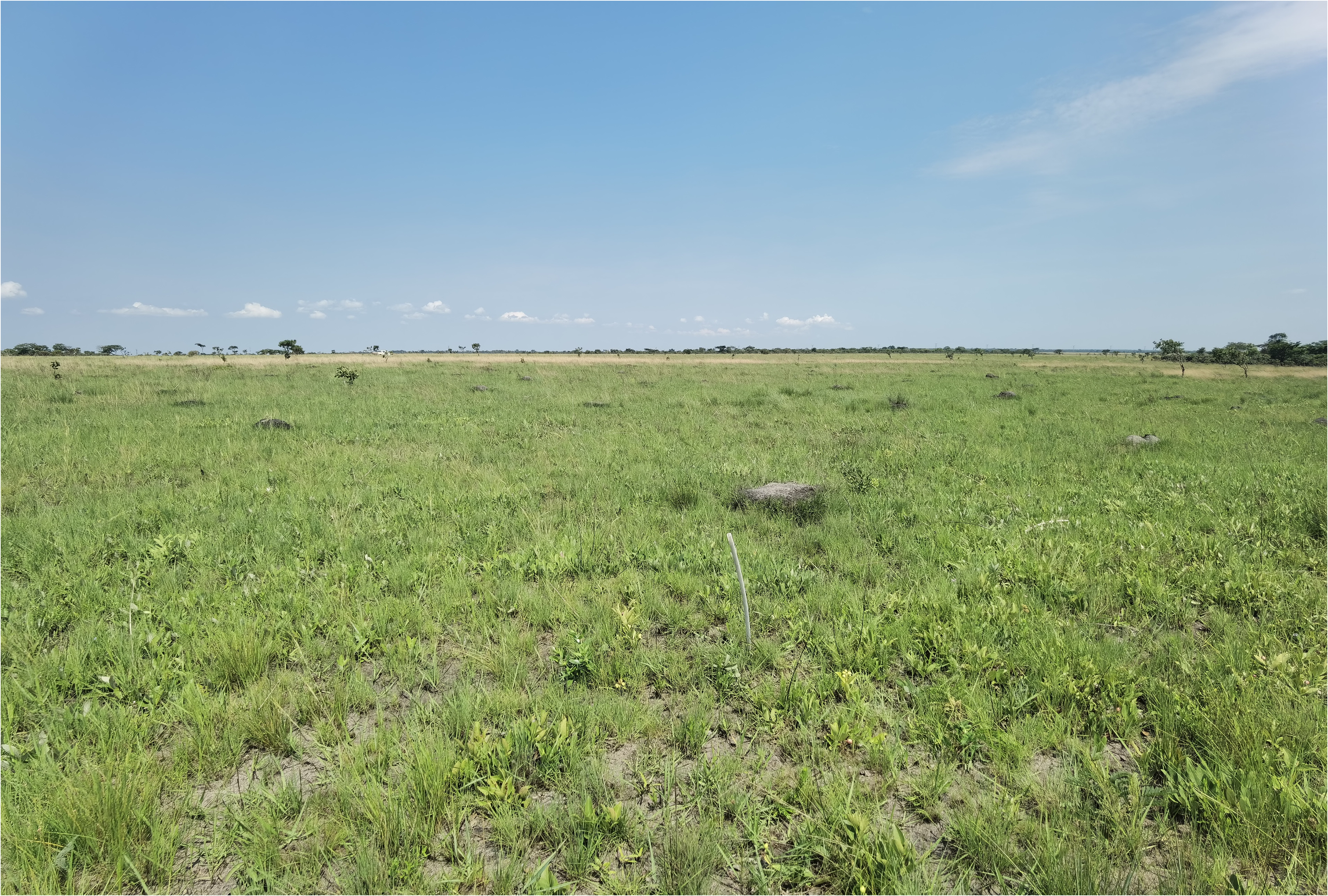
Habenaria trifida is found in a variety of habitats across its range, including moist lowland forests, montane forests, and possibly disturbed or secondary growth areas. The Orchidaceae family is particularly diverse in tropical and subtropical regions, and many species, including those in the Habenaria genus, are adapted to thrive in shaded, humid environments. The species likely prefers well-drained soils and moderate to high humidity, typical of the regions it inhabits.
Cultivation
Cultivating Habenaria trifida would require conditions that mimic its natural habitat, including high humidity, indirect light, and well-draining potting media. As a member of the Orchidaceae family, it is likely to benefit from consistent moisture without being waterlogged. Orchids in the Habenaria genus are often grown by enthusiasts for their unique beauty and ecological interest. Specific cultivation requirements may vary depending on the subspecies or local adaptation of the plant.
Uses
While there is no specific information on the uses of Habenaria trifida, many orchids are valued for their ornamental qualities and are cultivated in gardens and greenhouses. Some species within the Orchidaceae family are also used in traditional medicine, though such uses are not documented for this particular species. The primary value of Habenaria trifida lies in its ecological role and contribution to the biodiversity of orchid flora in its native range.
Distribution
BR · Los Santos | Piedecuesta | Sabana de Torres · Antioquia, Cauca, Cesar, Cundinamarca, Magdalena · Argentina Northeast · Argentina Northwest · Belize · Bolivia · Brazil Northeast · Brazil North · Brazil Southeast · Brazil West-Central · Colombia · Costa Rica · Ecuador · El Salvador · French Guiana · Guatemala · Guyana · Honduras · Mexico Central · Mexico Gulf · Mexico Northeast · Mexico Southeast · Mexico Southwest · Nicaragua · Panamá · Paraguay · Peru · Suriname · Trinidad-Tobago
Synonyms
Orchis longicornuBonatea flexuosaBonatea paucifloraHabenaria flexa var. rodriguesiiHabenaria pauciflora var. plurifloraHabenaria allemaniiHabenaria angustifoliaHabenaria bifloraHabenaria caracasanaHabenaria curti-bradeiHabenaria dentirostrisHabenaria duckeanaHabenaria endresianaHabenaria flexaHabenaria flexuosaHabenaria gehrtiiHabenaria hoehneiHabenaria kuhlmanniiHabenaria paucifloraHabenaria pickeliiHabenaria setiferaHabenaria spathaceaRhinorchis kuhlmanniiRhinorchis paucifloraRhinorchis pickeliiRhinorchis trifida