Habenaria bractescens
Habenaria bractescens Lindl.

Habenaria bractescens is a species of orchid in the Orchidaceae family, first described by John Lindley in 1835. It is native to a wide range of Central and South American countries, including Mexico, Central America, and parts of South America. This orchid is known for its distinct bracts and is commonly found in various habitats across its range.
Description
Habenaria bractescens is characterized by its slender, terrestrial growth habit and the presence of prominent bracts along its stem. The plant typically produces a single stem with a few leaves and a terminal inflorescence. The flowers are small to medium in size and often have a delicate appearance, with colors ranging from greenish-white to yellowish. The species is distinguished by the bracts, which are usually larger than the adjacent leaves and are a key feature in its identification.
Habitat
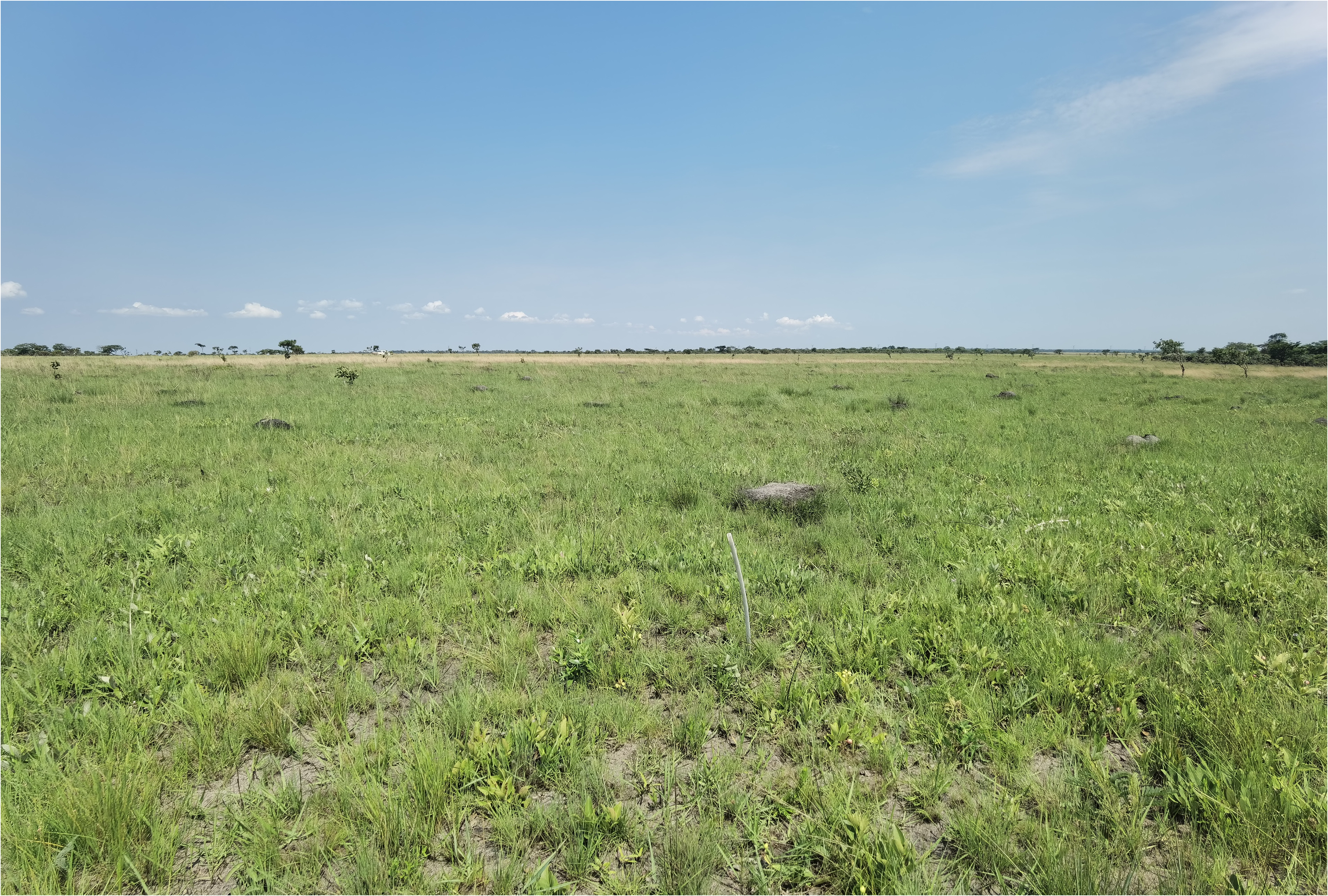
This orchid is typically found in moist, shaded environments such as lowland and montane forests, often in areas with high humidity and well-drained soils. It can also be found in disturbed areas and along forest edges. The species is adaptable and can thrive in a range of elevations, from lowland regions up to higher elevations in the mountainous areas of its range.
Cultivation
Habenaria bractescens can be cultivated in a greenhouse or shaded garden with appropriate care. It requires a well-draining potting mix, such as a combination of bark, perlite, and sphagnum moss. The plant prefers moderate to high humidity and indirect light. Watering should be done regularly, but care should be taken to avoid waterlogging the roots. During the growing season, a balanced orchid fertilizer can be applied to support healthy growth and flowering.
Uses
Habenaria bractescens is primarily valued for its ornamental use in horticulture. It is a popular species among orchid enthusiasts due to its unique appearance and relatively easy cultivation. The plant is also of interest to botanists and researchers studying the diversity and ecology of orchids in the Neotropical region. There are no known traditional or commercial uses for this species beyond its horticultural value.
Distribution
BR · Chocó · Argentina Northeast · Argentina Northwest · Bolivia · Brazil Northeast · Brazil Southeast · Brazil South · Brazil West-Central · Colombia · Costa Rica · Ecuador · El Salvador · Guatemala · Honduras · Mexico Gulf · Mexico Southeast · Panamá · Paraguay · Uruguay · Venezuela
Synonyms
Kusibabella bractescensHabenaria sartor f. minorHabenaria hauman-merckiHabenaria kleyiHabenaria pontagrossensis