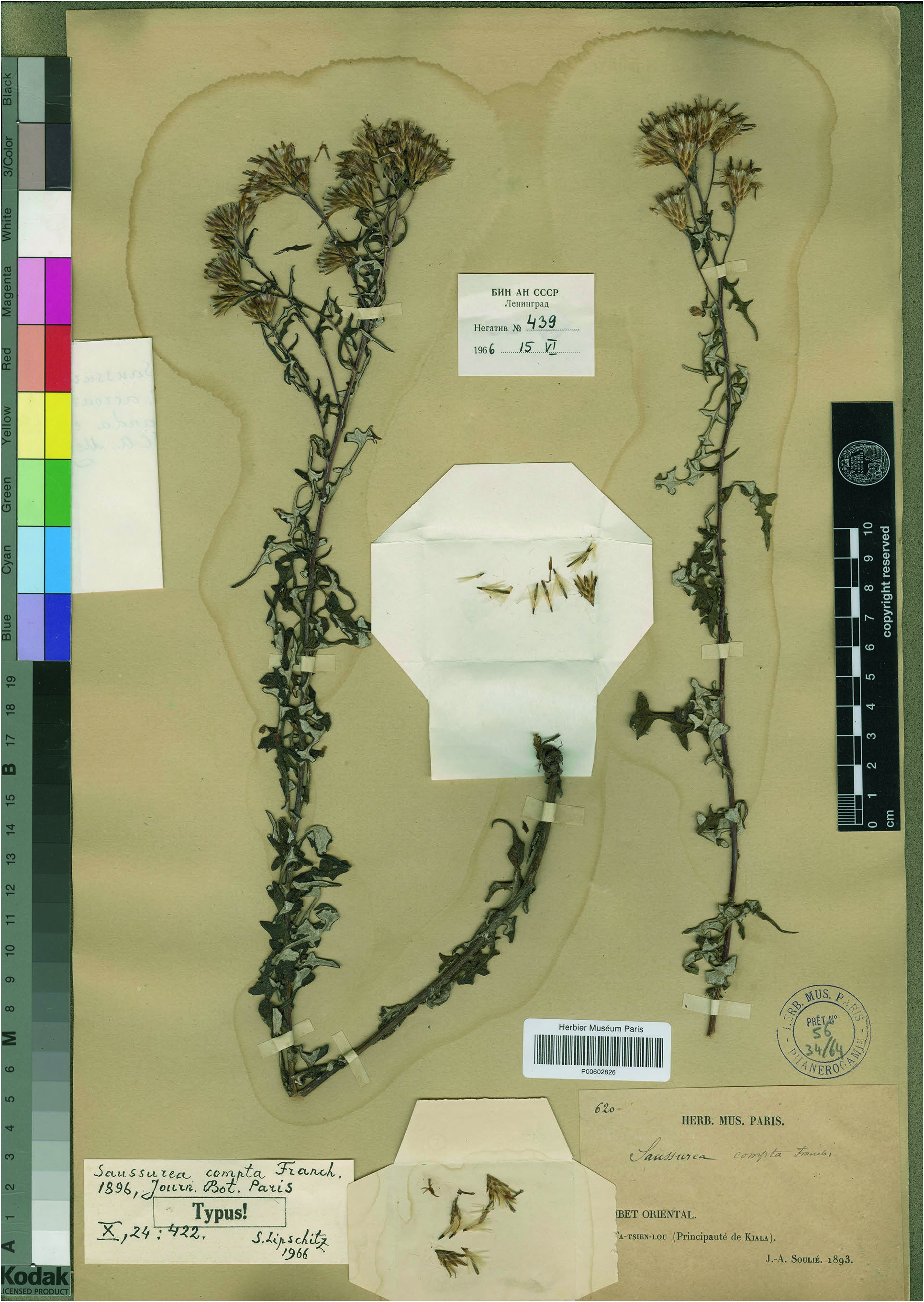
Green Crepis
Crepis capillaris (L.) Wallr.

Crepis capillaris, commonly known as Green Crepis, is a member of the Asteraceae family and is native to Europe. It has naturalized in various regions across North America, South America, and parts of Asia. This species is an annual or biennial herb that can grow up to 90 cm tall. It is often considered a weed in agricultural and disturbed areas due to its adaptability and rapid growth.
Description
Crepis capillaris is characterized by its rosette of leaves, which are narrowly ovate to obovate, ranging from 5.0 to 30.0 cm in length. The leaves are runcinate or lyrate-pinnatifid, with a petiole-like base and a winged structure. The flowering stems are either erect or ascending, with a pale green color that may be tinged purple. The plant produces yellow ligulate flowers in corymbiform synflorescences, with each head containing 20 to 60 flowers. The involucre is cylindrical to turbinate, with green bracts that are either tomentose or glabrous. The achenes are cylindrical or fusiform, and the plant is often found in disturbed soils and along roadsides.
Habitat
Crepis capillaris thrives in disturbed habitats such as roadsides, fields, and waste areas. It is commonly found in temperate regions and is well adapted to a wide range of soil types, including sandy and loamy soils. The species is often associated with anthropogenic environments, where it can quickly colonize and spread.
Cultivation
While not typically cultivated for ornamental or agricultural purposes, Crepis capillaris can be grown in controlled environments for botanical study or as a model species in ecological research. It prefers full sun to partial shade and well-drained soils. The plant is relatively easy to grow from seed and can germinate in a variety of conditions. However, due to its weedy nature, it may require careful management to prevent unwanted spread.
Uses
Crepis capillaris is not widely used in agriculture or horticulture. However, it has been studied for its potential as a model organism in plant biology. In some regions, it is considered a noxious weed and may require control measures in agricultural settings. The plant has also been used in traditional herbal medicine, though its medicinal properties are not well documented in modern scientific literature.
Other common names
Smooth hawksbeardGreen CrepisHawksbeardSmooth Hawk'S-Beard
Distribution
Labrador · Alberta · British Columbia · New Brunswick · Nova Scotia · Ontario · Quebec · Yukon · Ireland · Santa Cruz · Montenegro · Baleares · New Hampshire · Slovenia · Neuquén · Luxembourg · Chubut · Rio Negro · Mississippi · Czech Republic · France · Poland · Croatia · Nevada · Québec · Virginia · Austria · West Virginia · Wisconsin · Maule
Synonyms
Crepis capillaris f. bischoffiiCrepis linifoliaCrepis longepinnatifidaCrepis diffusaMalacothrix crepoidesCrepis candolleiCrepis unifloraCrepis agrestisCrepis capillaris f. integraLapsana capillarisCrepis variabilisCrepis polymorphaCrepis neglectaCrepis polymorpha var. humilisCrepis tectorum var. tectorumCrepis capillaris subsp. capillarisCrepis capillaris f. capillarisCrepis polymorpha var. erectaCrepis lusitanicaCrepis corymbosa var. baeticaCrepis virens f. virensCrepis virens var. virensCrepis polymorpha var. diffusaCrepis leiospermaCrepis gaditanaCrepis sagittataCrepis virens subsp. agrestisCrepis lusitanicaCrepis virens var. diffusaCrepis druceana