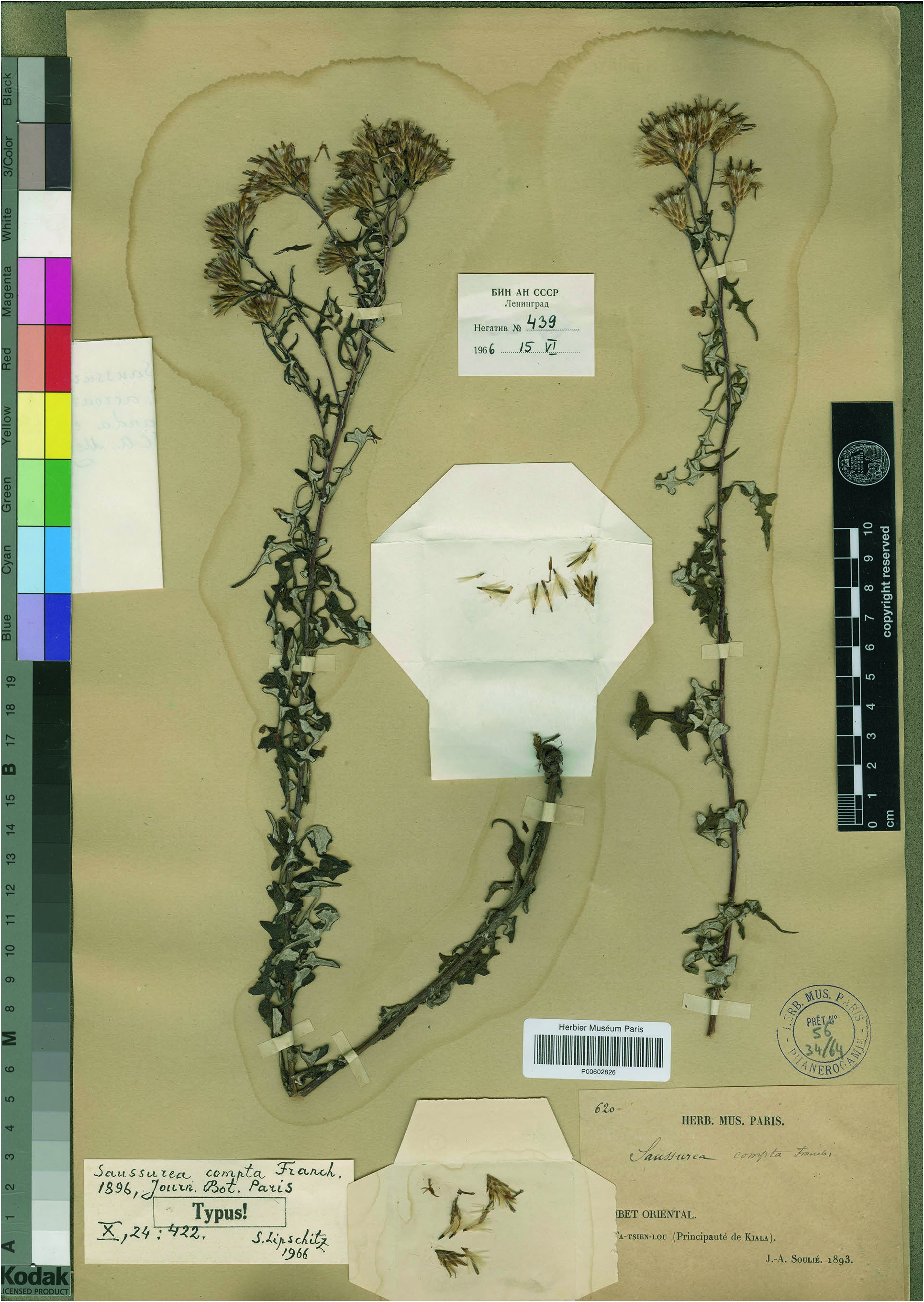
Glaucous or purple rattlesnakeroot
Nabalus racemosus (Michx.) Hook.

Nabalus racemosus, commonly known as glaucous or purple rattlesnakeroot, is a tall, herbaceous perennial native to North America. It is a member of the Asteraceae (daisy) family and is typically found in moist, wet habitats such as stream banks, bogs, and wet meadows. The plant is characterized by its erect, often purplish stems, large spatulate leaves with broad petioles, and clusters of pink or lavender flowers. It is a hardy species with a wide geographic distribution across Canada and the United States.
Description
Nabalus racemosus is a tall, herbaceous plant that can reach heights of 30 to 175 cm. It features a robust, simple stem that is green or light purple in color and often glaucous at the base. The plant has a taproot that is fusiform and tuberous. Leaves are broadly oblanceolate to spatulate, with coriaceous texture and rounded to obtuse apices. The proximal leaves are typically present at flowering and have broadly winged petioles. The plant produces heads of florets in narrow, elongated racemiform or paniculiform arrays. The involucres are bell-shaped, and the phyllaries are lanceolate to linear, often purple and hairy. The florets are usually pinkish, though they can also be white or lavender. The cypselae are golden brown and ribbed, with pale yellow pappi.
Habitat
Nabalus racemosus is typically found in wet to moist habitats, including stream banks, bogs, and wet meadows. It thrives in areas with high moisture levels and well-drained, often loamy soils. The plant is adapted to cooler climates and is distributed across a wide range of northern and central North American regions, from Canada to the northern United States.
Cultivation
This species is relatively easy to cultivate in moist garden settings. It prefers full sun to partial shade and requires consistently moist, well-drained soil. Nabalus racemosus is best suited for wetland gardens or rain gardens. It is relatively pest and disease resistant and can tolerate some shade. Due to its tall stature and showy flowers, it is an excellent choice for naturalistic planting schemes or as a backdrop in native plant gardens.
Uses
Nabalus racemosus is primarily of ecological interest, providing nectar for pollinators and contributing to wetland plant communities. It has no significant commercial or agricultural use but is valued in conservation and restoration projects for its role in stabilizing wet soils. The plant is also occasionally used in native plant gardens for its ornamental value and as a habitat plant for beneficial insects.
Other common names
glaucous white lettuceGlaucous or purple rattlesnakerootGlaucous RattlesnakerootPurple Rattlesnakeroot
Distribution
Labrador · Newfoundland · Alberta · British Columbia · Manitoba · New Brunswick · Nova Scotia · Ontario · Quebec · Saskatchewan · Illinois · Indiana · Wisconsin · New York · Michigan · Nebraska · Ohio · North Dakota · Québec · Colorado · Montana · Minnesota · Pennsylvania · Vermont · Kentucky · Maine · Washington · South Dakota · Iowa · New Jersey
Synonyms
Nabalus racemosusNabalus racemosus var. racemosusPrenanthes racemosa var. racemosaPrenanthes racemosa var. pinnatifidaPrenanthes racemosa subsp. multifloraPrenanthes racemosa var. multifloraChondrilla racemosaPrenanthes racemosa f. racemosaPrenanthes racemosaNabalus racemosus var. pinnatifidus