Geonoma undata
Geonoma undata Klotzsch

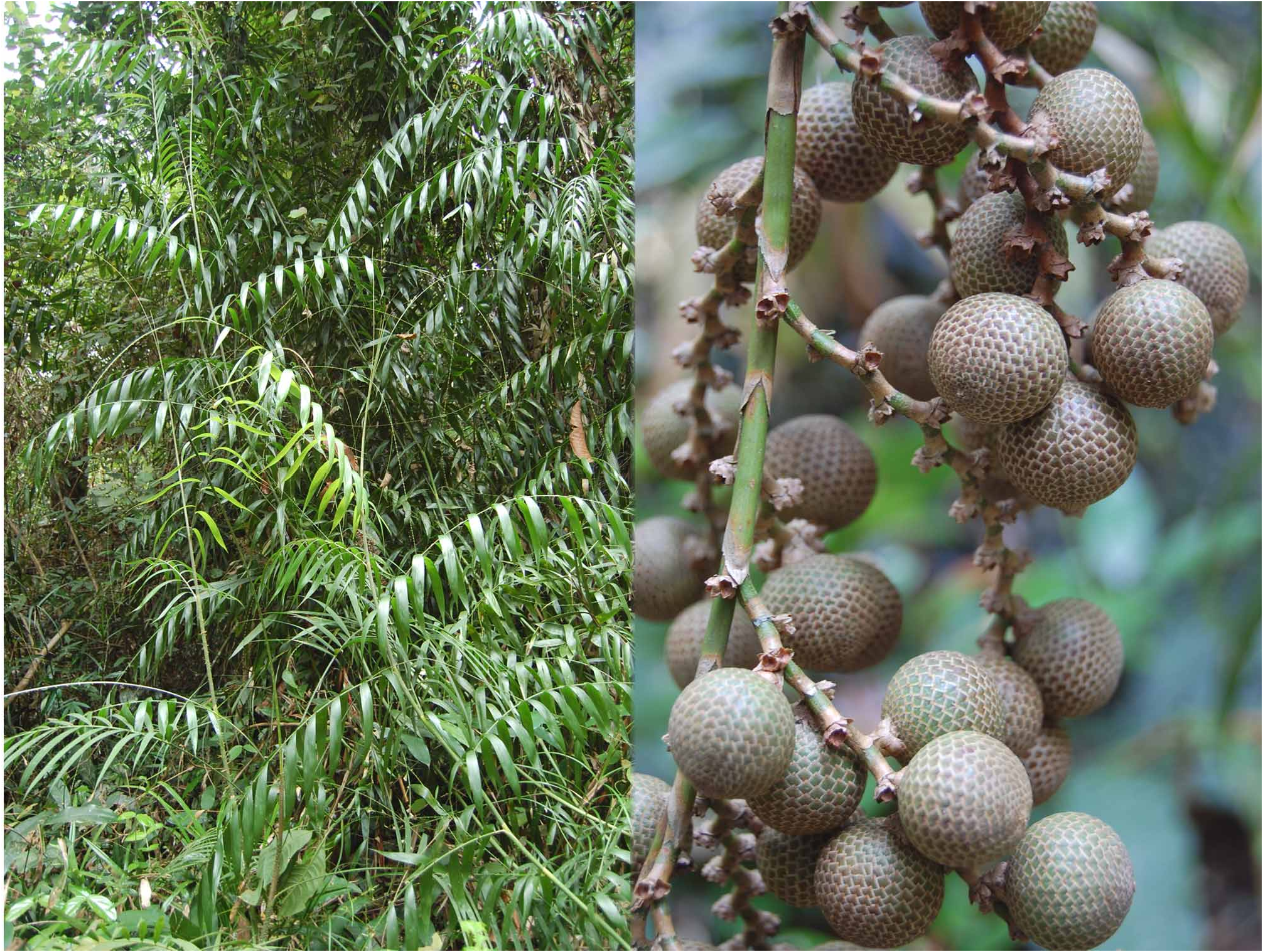
Geonoma undata is a medium-sized palm species with a wide distribution across Central and South America. It is commonly found in high-altitude tropical forests, often in the understory. The species exhibits a high degree of morphological variation, which has led to the recognition of several subspecies. It is characterized by its solitary or clustered stems, undivided or irregularly pinnate leaves, and distinctive prophylls with ridged, tomentose surfaces and spine-like projections.
Description
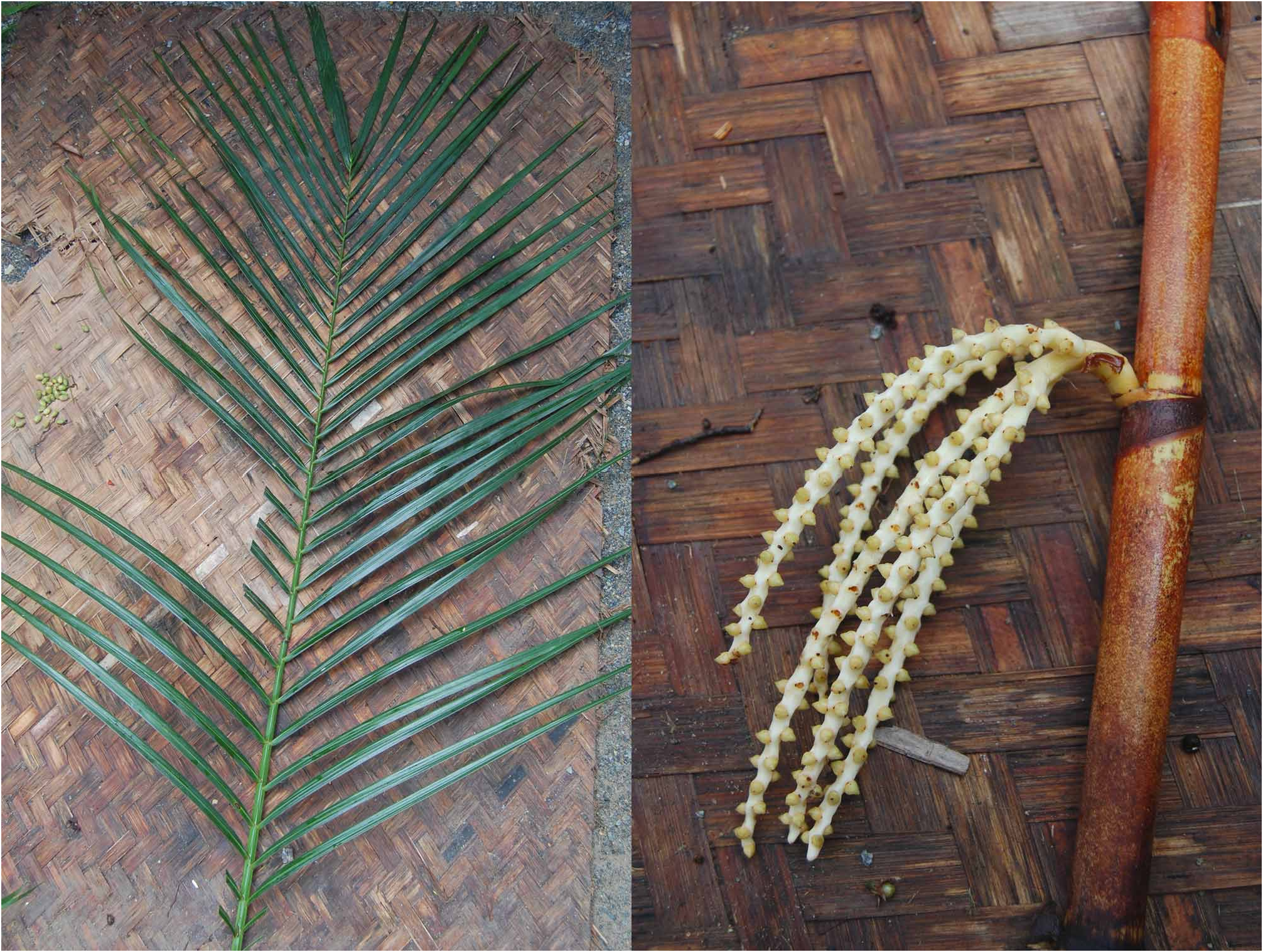
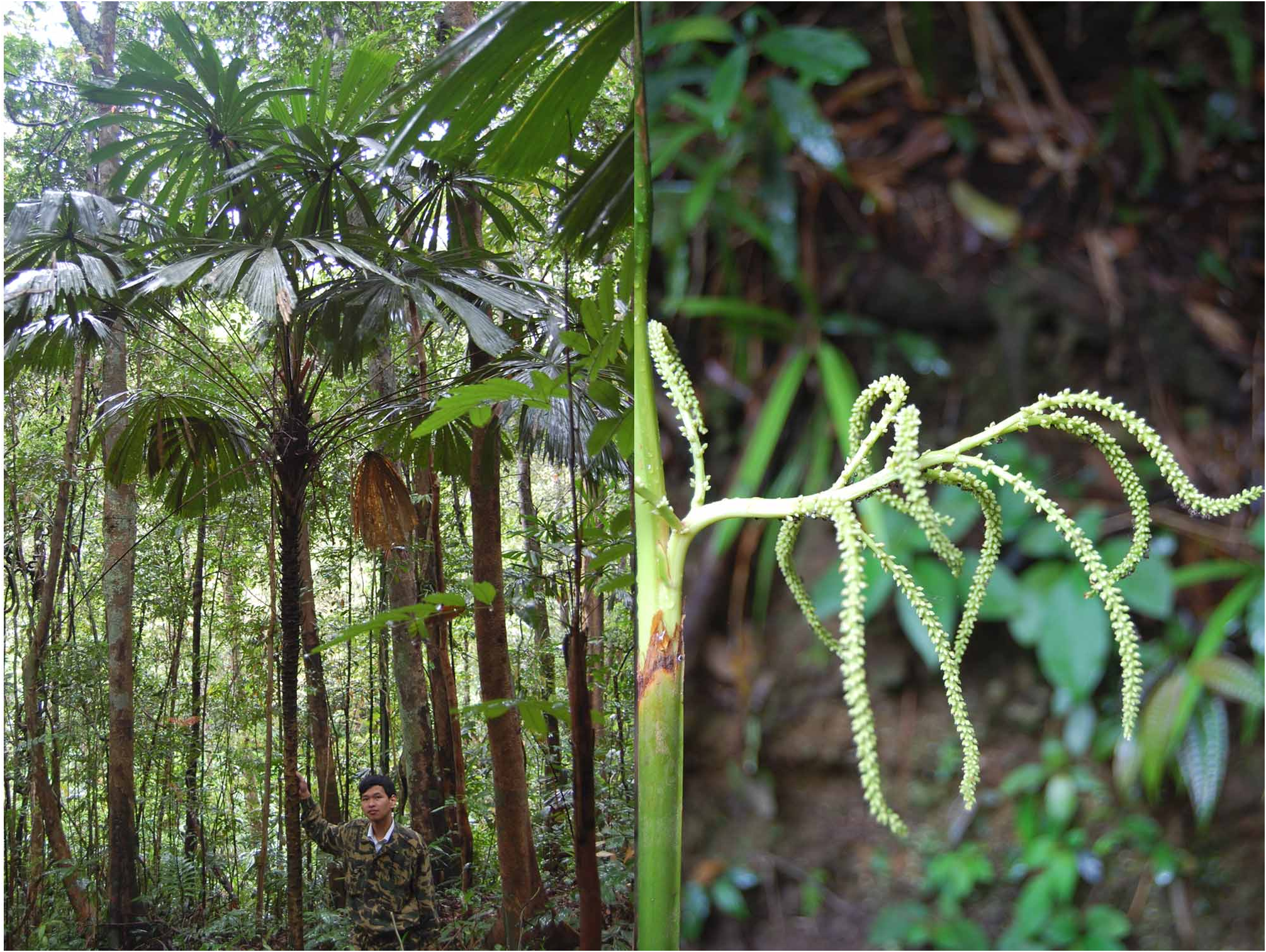
Geonoma undata is a palm species that can grow up to 17 meters in height, with stems ranging from 0.7 to 15 meters tall and 0.9 to 5 centimeters in diameter. The stems may be solitary or clustered, and are not cane-like. The leaves, numbering between 4 and 17 per stem, are either undivided or irregularly pinnate. The leaf bases extend diagonally into the rachis, and the sheaths can reach up to 97.5 centimeters in length. Petioles vary from 0 to 113 centimeters in length and may dry to green or yellowish. The rachis can be up to 265 centimeters long and 28.1 millimeters in diameter, with veins that are either raised and rectangular or not raised and triangular in cross-section. The pinnae are variable in size and angle, with the basal pinna forming an angle of up to 90 degrees with the rachis. The inflorescences are branched up to three orders, and the prophylls and peduncular bracts are not ribbed, flattened, and may be deciduous or persistent. The prophylls are ridged and densely tomentose, with irregular, spine-like projections along the margins.
Habitat
Geonoma undata is typically found in the understory of tropical forests at high altitudes. It thrives in shaded, moist environments and is often associated with montane or cloud forest ecosystems. The species is distributed across a wide range of elevations and microhabitats, which contributes to its morphological variability. It is commonly found in protected areas such as national parks and reserves in Colombia, including Parque Nacional Natural Chingaza and Parque Nacional Natural Las Orquídeas.
Cultivation
Cultivation of Geonoma undata requires a humid, shaded environment similar to its natural high-altitude forest habitat. It prefers well-drained, organic-rich soils and consistent moisture. Due to its variable growth form and leaf structure, it can be challenging to cultivate outside of its native range. It is not commonly grown in horticulture and is more often observed in botanical gardens or conservation settings. Propagation is typically through seeds, which should be sown in a warm, moist environment to encourage germination.
Uses
Geonoma undata is primarily of ecological and conservation interest rather than economic use. It contributes to the biodiversity of high-altitude tropical forests and provides habitat for various understory species. Due to its variable morphology and limited cultivation, it is not widely used in horticulture or industry. However, it is sometimes studied for its taxonomic and genetic diversity, which can provide insights into palm evolution and adaptation in montane environments.
Distribution
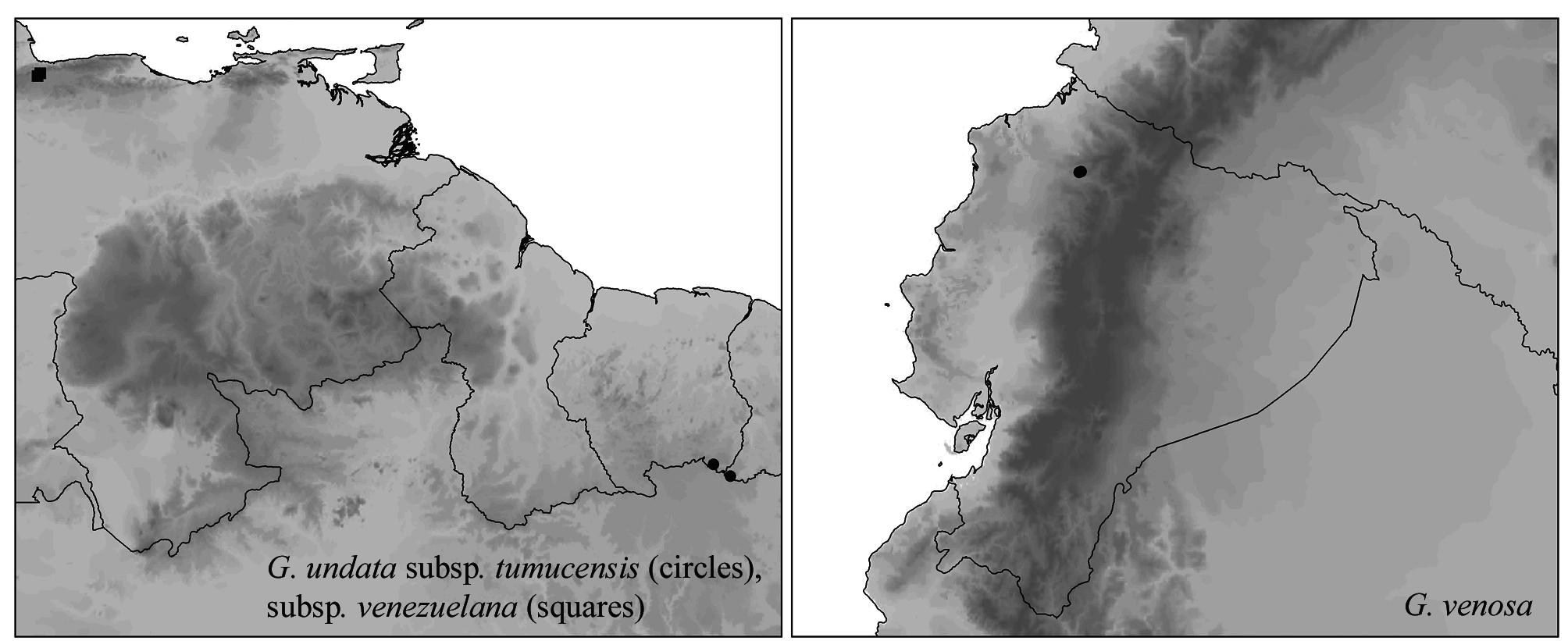
BR · Parque Nacional Natural Alto Fragua Indi Wasi | Santuario de Flora y Fauna Guanentá Alto Río Fonce | Parque Nacional Natural Las Orquídeas | Parque Nacional Natural Cueva de los Guácharos | Parque Nacional Natural Chingaza · Parque Nacional Natural Chingaza · Corregimiento de San Antonio de Chamí · Reserva Natural de la Sociedad Civil Karagabí · Reserva Natural de la Sociedad Civil Hacienda Portugal · Municipio Pueblo Rico, Risaralda · Distrito de Conservación de Suelos Campoalegre · Charalá | Encino | Suaita · Boyacá | Garagoa · Antioquia, Boyacá, Caldas, Caquetá, Cauca, Cesar, Chocó, Cundinamarca, La Guajira, Huila, Magdalena, Meta, Nariño, Norte de Santander, Putumayo, Quindío, Risaralda, Santander, Tolima, Valle · Jardín Botánico de Bogotá · Global · Bolivia · Brazil North · Colombia · Costa Rica · Ecuador · French Guiana · Guatemala · Guyana · Honduras · Leeward Is. · Mexico Southeast · Nicaragua · Panamá · Peru · Suriname · Venezuela · Windward Is.