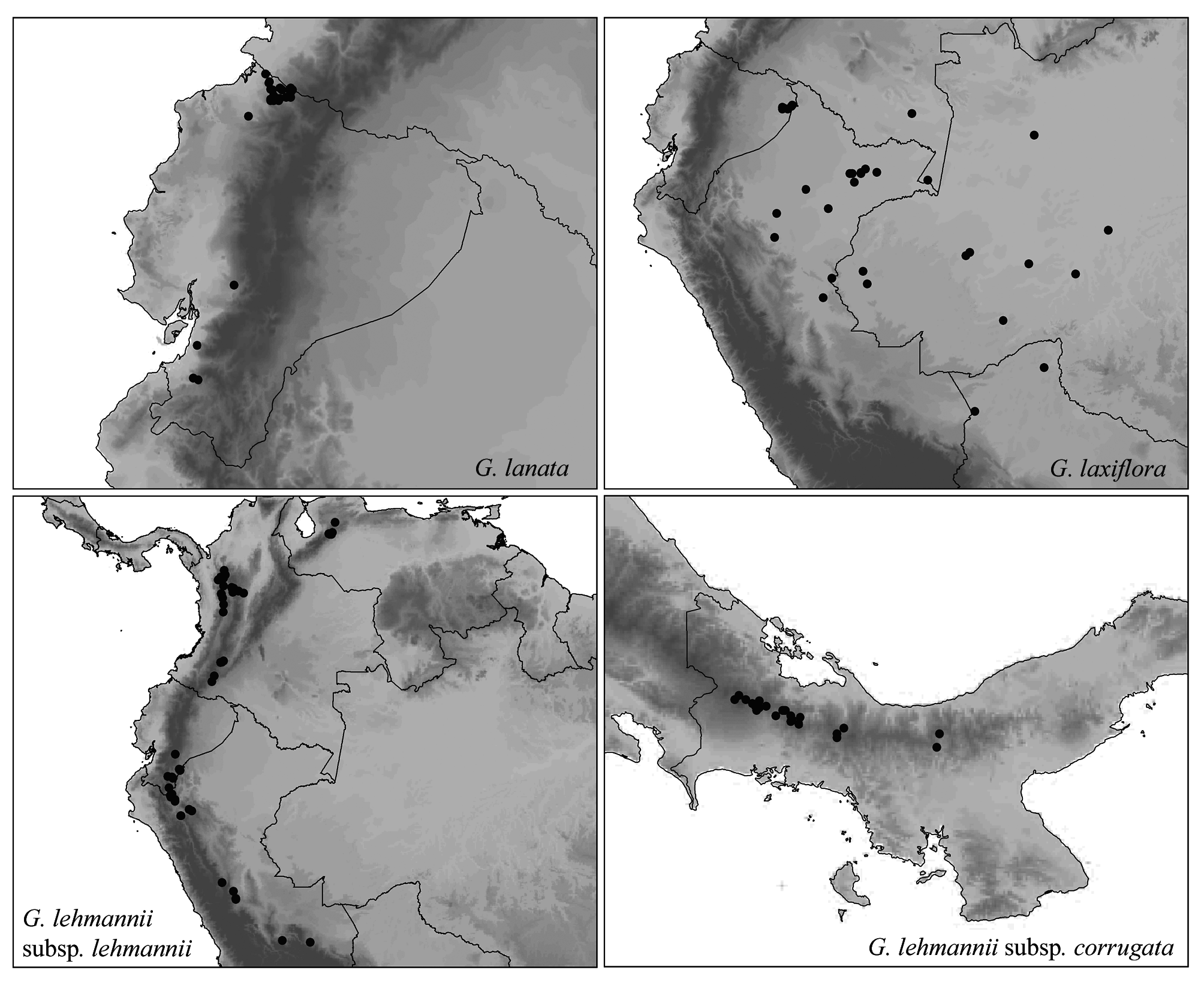
Geonoma laxiflora
Geonoma laxiflora Mart.

Geonoma laxiflora is a species of palm belonging to the Arecaceae family, commonly known as the palm family. It is native to the Amazon rainforest and is found in several countries including Brazil, Colombia, Ecuador, Peru, and Bolivia. This palm is part of the Geonoma genus, which is characterized by its unique morphological traits and ecological adaptations to the tropical rainforest environment.
Description
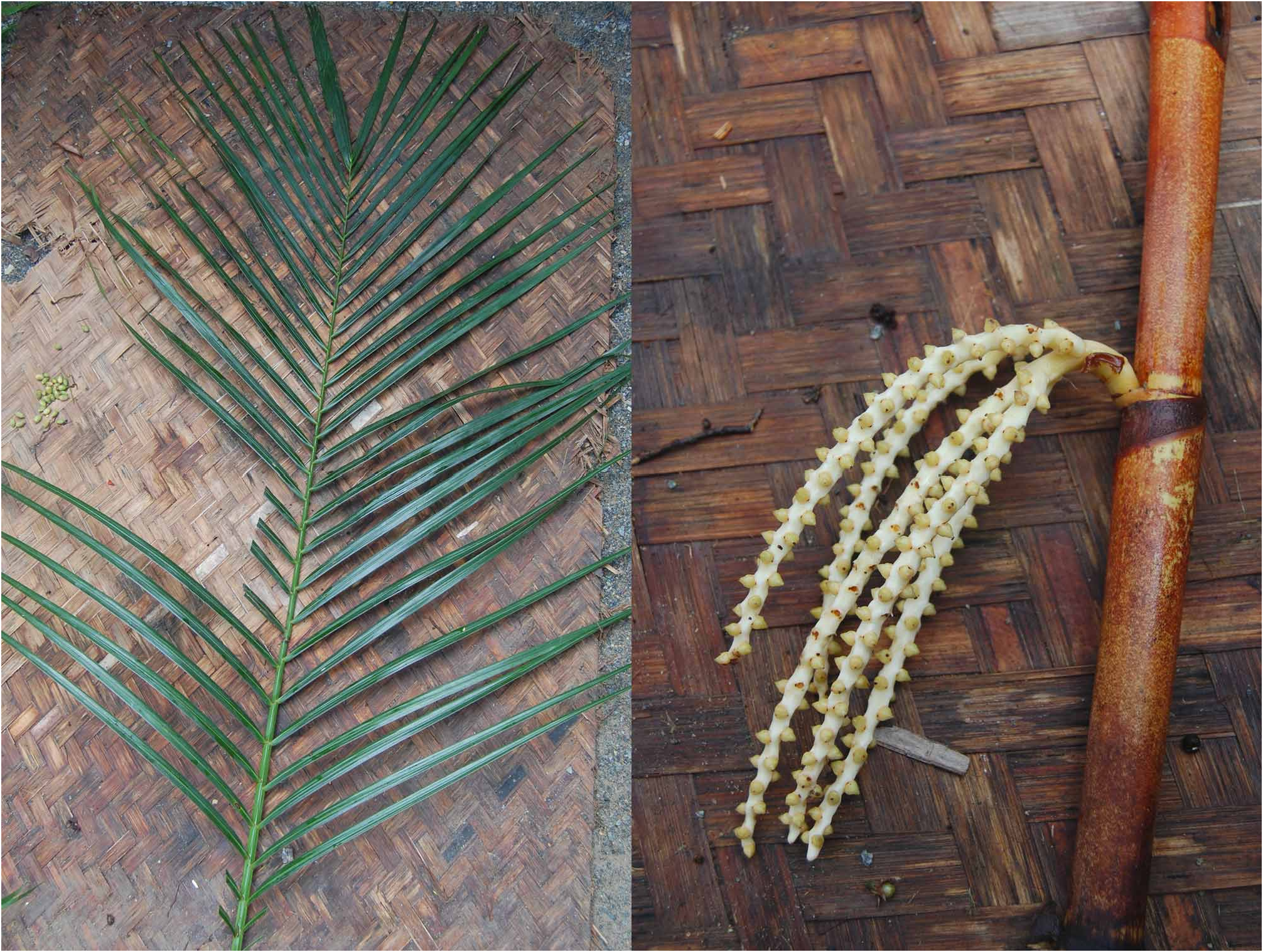
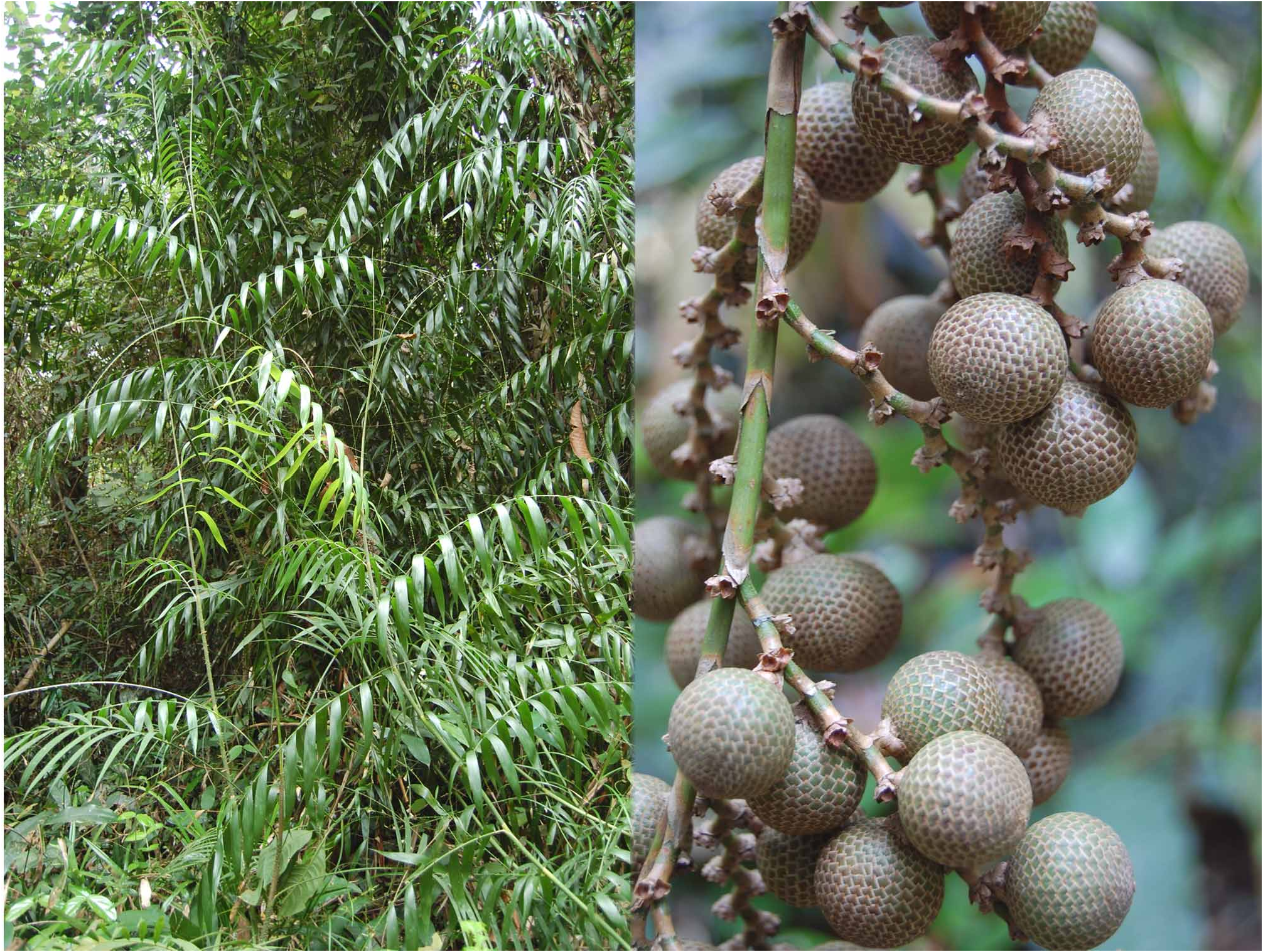
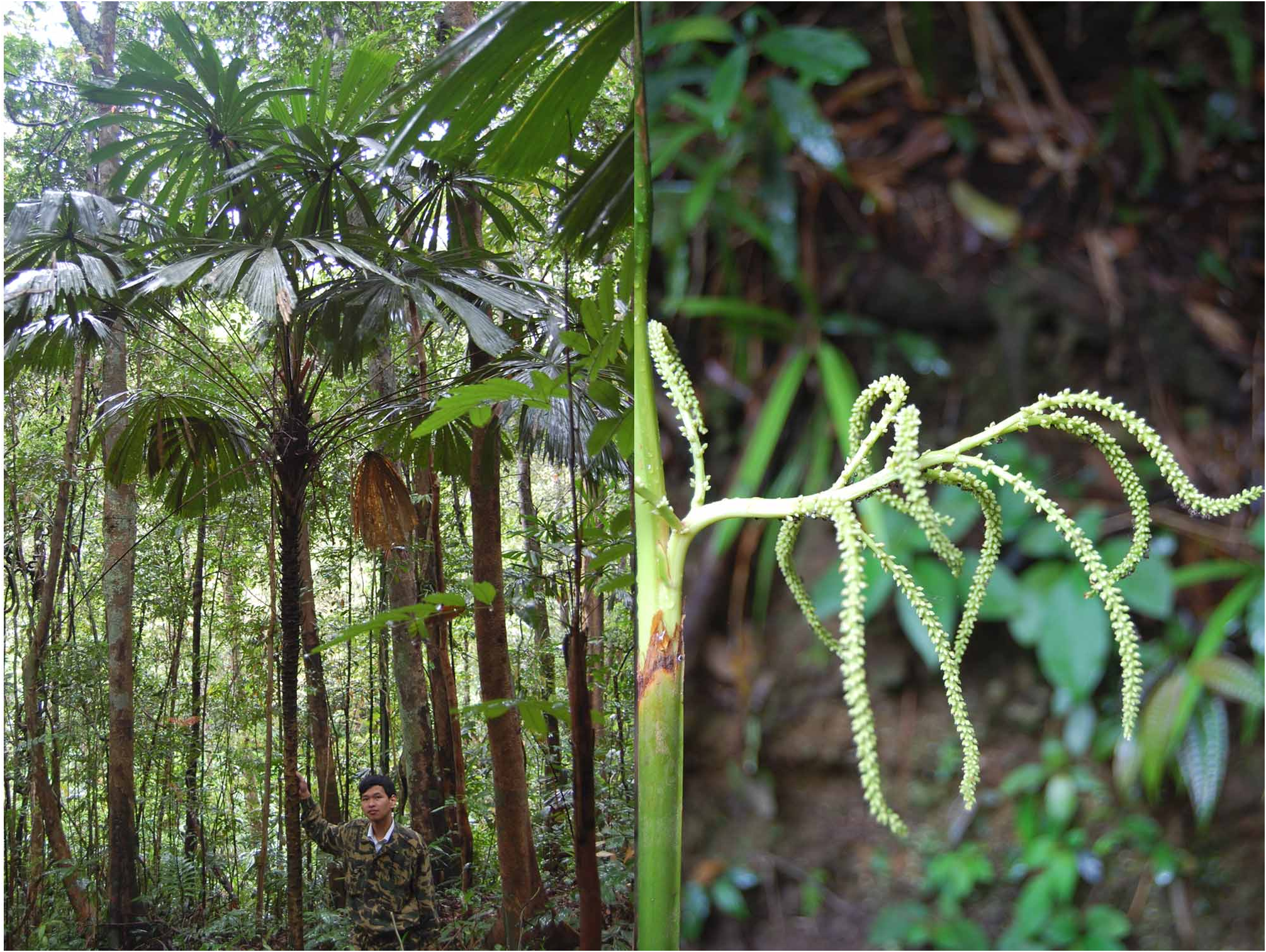
Geonoma laxiflora is a small to medium-sized palm that typically grows in the understory of the Amazonian rainforest. It features a slender, often unbranched stem and a crown of long, narrow leaves. The leaves are pinnate, with leaflets arranged in a feather-like pattern. The inflorescences are lax and drooping, a distinguishing feature of the species. The flowers are small and unisexual, with the plant being monoecious, meaning both male and female flowers are present on the same individual. The fruit is a drupe, typically green when immature and turning red or black when ripe, containing a single seed. The species was first described by Carl Friedrich Philipp von Martius in 1823 based on specimens collected in the Rio Japurá region of Amazonas.
Habitat
Geonoma laxiflora is typically found in the humid, tropical lowland rainforests of the Amazon Basin. It thrives in shaded understory conditions, often in association with other understory palms and shade-tolerant vegetation. The species is commonly found in areas with high humidity and well-drained, nutrient-rich soils. It is adapted to the dynamic and complex ecological conditions of the rainforest, including periodic flooding and competition for light and nutrients.
Cultivation
Cultivation of Geonoma laxiflora is limited due to its specific ecological requirements and the challenges of replicating its native habitat. It prefers a warm, humid environment with partial shade and well-drained, organic-rich soil. In cultivation, it should be protected from direct sunlight and provided with consistent moisture. Propagation is typically done through seeds, which require a period of stratification and careful handling to ensure germination. Due to its slow growth and specific needs, it is not commonly grown outside of botanical gardens or specialized collections.
Uses
Geonoma laxiflora is not widely utilized by local communities, but like many understory palms, it may have some minor ecological or cultural significance. It contributes to the biodiversity and structural complexity of the rainforest, providing habitat for various organisms. The species is of interest to botanists and conservationists due to its role in the Amazonian ecosystem and its potential for scientific study. It is also occasionally grown in botanical gardens for educational and conservation purposes, though it is not a commercially important species.
Distribution
BR · Parque Nacional Natutral de Amacayacu | Parque Nacional Natural Cahuinarí · Amazonas, Putumayo · Bolivia · Brazil North · Colombia · Ecuador · Peru · Leticia
Synonyms
Geonoma laxiflora var. depauperataGeonoma beccariana