Geonoma deversa
Geonoma deversa (Poit.) Kunth

Geonoma deversa is a palm species belonging to the Arecaceae family, native to a wide range of tropical regions in Central and South America. It is characterized by its slender, cane-like or non-cane-like stems, and its leaves, which can be undivided or irregularly pinnate. The plant typically grows in clusters and is found in various protected natural parks and regions across several countries.
Description
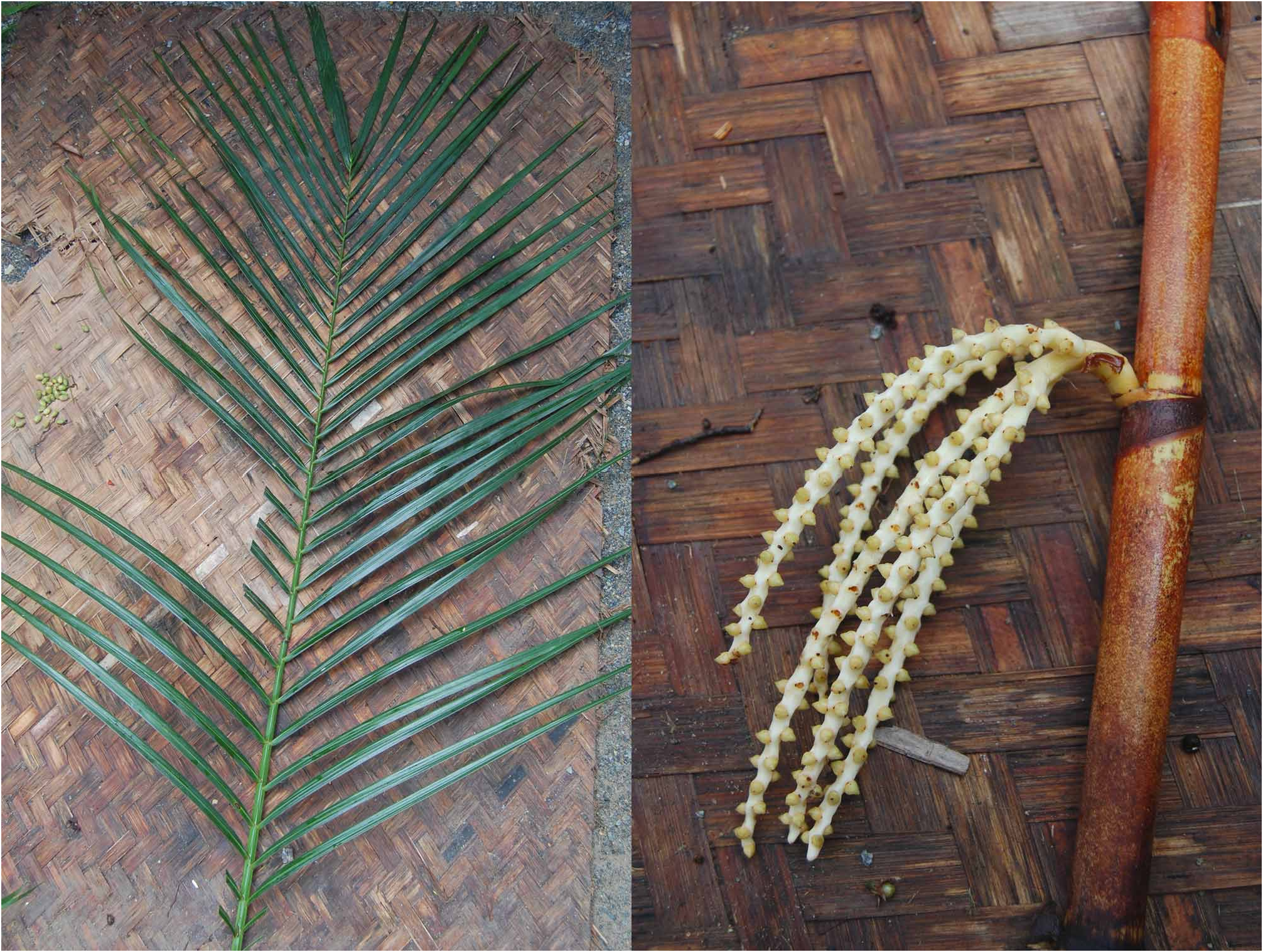
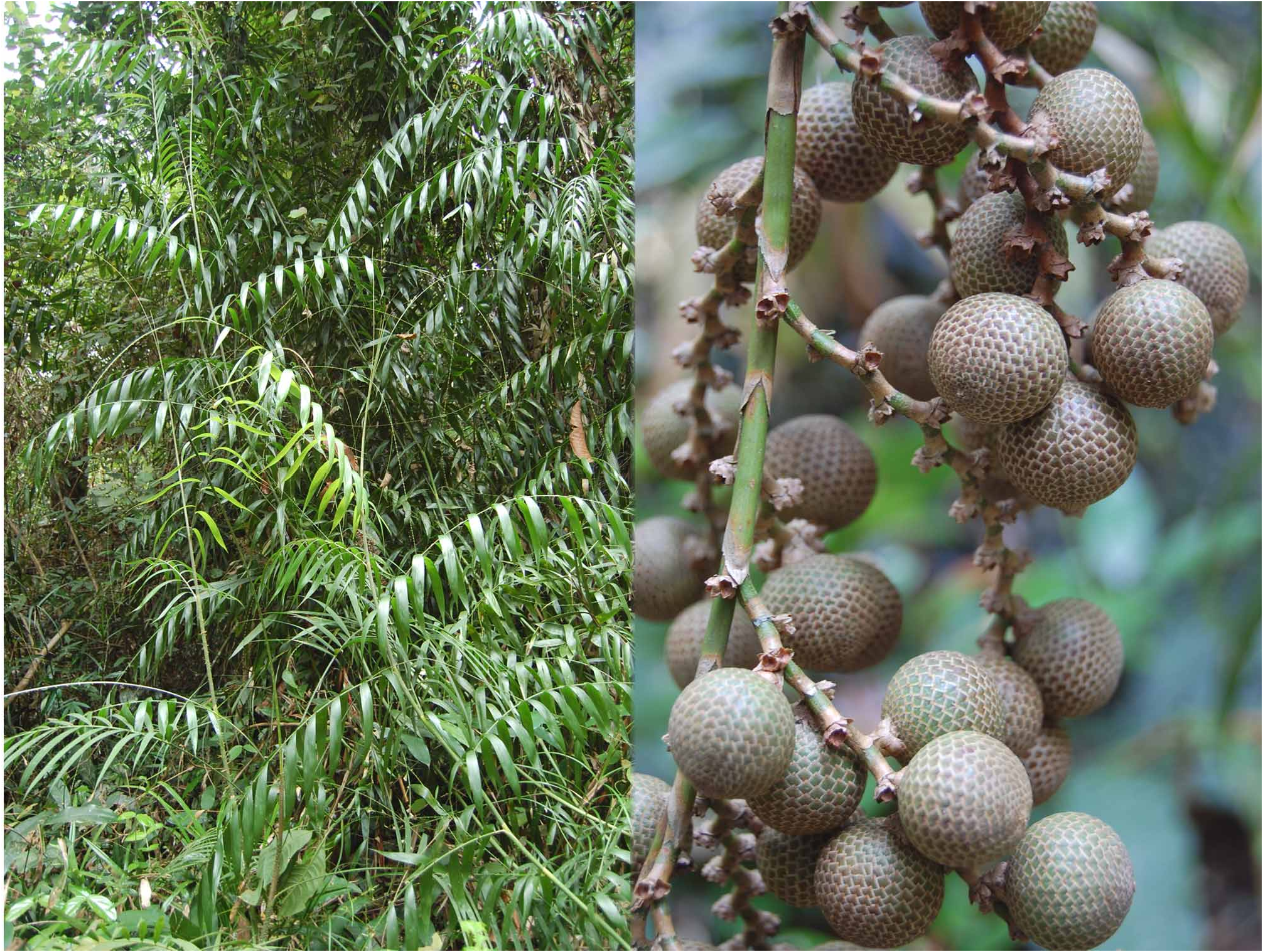
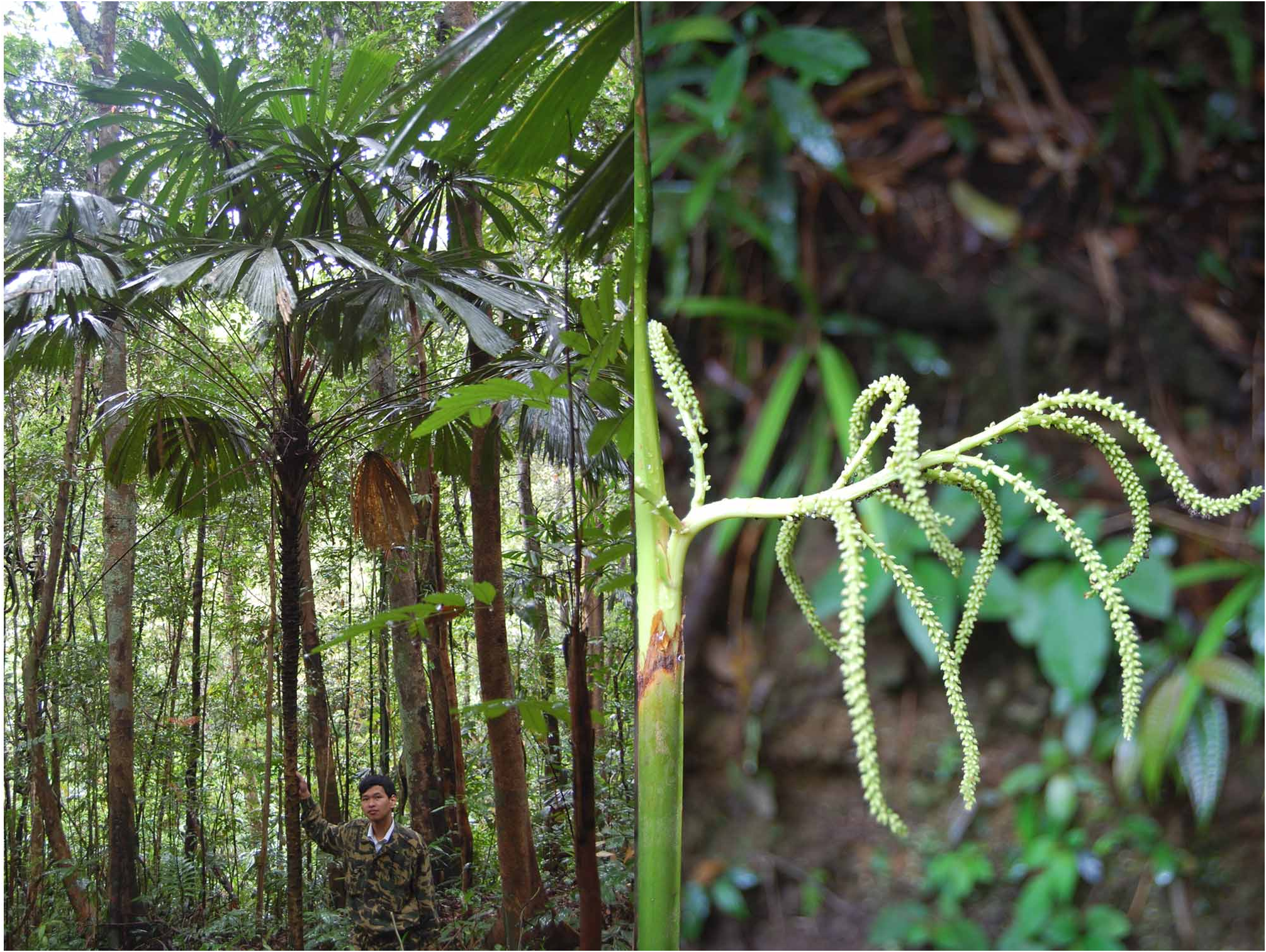
Geonoma deversa is a palm species with a height of 2.4 meters (ranging from 0.5 to 5.0 meters) and stems that can reach up to 7.0 meters in length with a diameter of 1.8 cm. The stems are either solitary or clustered and may be canelike or not. The leaves are 11 in number per stem (ranging from 6 to 18), and they are either undivided or irregularly pinnate, with pinnae that have a single main vein. The leaf sheaths are 12.5 cm long, and the petioles can be as long as 82.0 cm. The rachis is 42.0 cm long and 3.2 mm in diameter, with veins that are not raised or only slightly raised. The pinnae vary in size, with the basal pinna being 28.5 cm long and 6.4 cm wide, and the apical pinna being 19.9 cm long and 12.4 cm wide. The inflorescences are branched in one to three orders, with prophylls and peduncular bracts that are flattened and deciduous.
Habitat
This species is found in a variety of tropical habitats, including lowland and montane forests, as well as in protected natural parks such as the Parque Nacional Natural Serranía de Chiribiquete, Parque Nacional Natural La Paya, and Parque Nacional Natural Cahuinarí in Colombia. It also occurs in other regions such as Belize, Bolivia, Brazil, Costa Rica, Ecuador, French Guiana, Guatemala, and other parts of northern South America. Geonoma deversa is often associated with moist, shaded environments and is adapted to a range of soil types, typically in areas with high humidity.
Cultivation
Geonoma deversa is not commonly cultivated outside of its native range, as it is primarily found in wild, tropical environments. However, it may be grown in botanical gardens or as a specimen plant in warm, humid climates. It requires well-drained, fertile soil and partial shade to thrive. Due to its relatively small size and unique foliage, it could be suitable for use in tropical landscaping or as a decorative plant in conservatories. Propagation is likely through seeds, although specific cultivation techniques for this species are not widely documented.
Uses
While Geonoma deversa is not widely utilized in commercial or traditional applications, it may have potential for ornamental use in tropical gardens and landscapes due to its distinctive appearance. The plant's slender stems and variable leaf structure make it an interesting addition to collections of palms and cycads. It may also play a role in local ecosystems by providing habitat for various organisms. However, specific traditional or economic uses for this species have not been widely reported.
Distribution
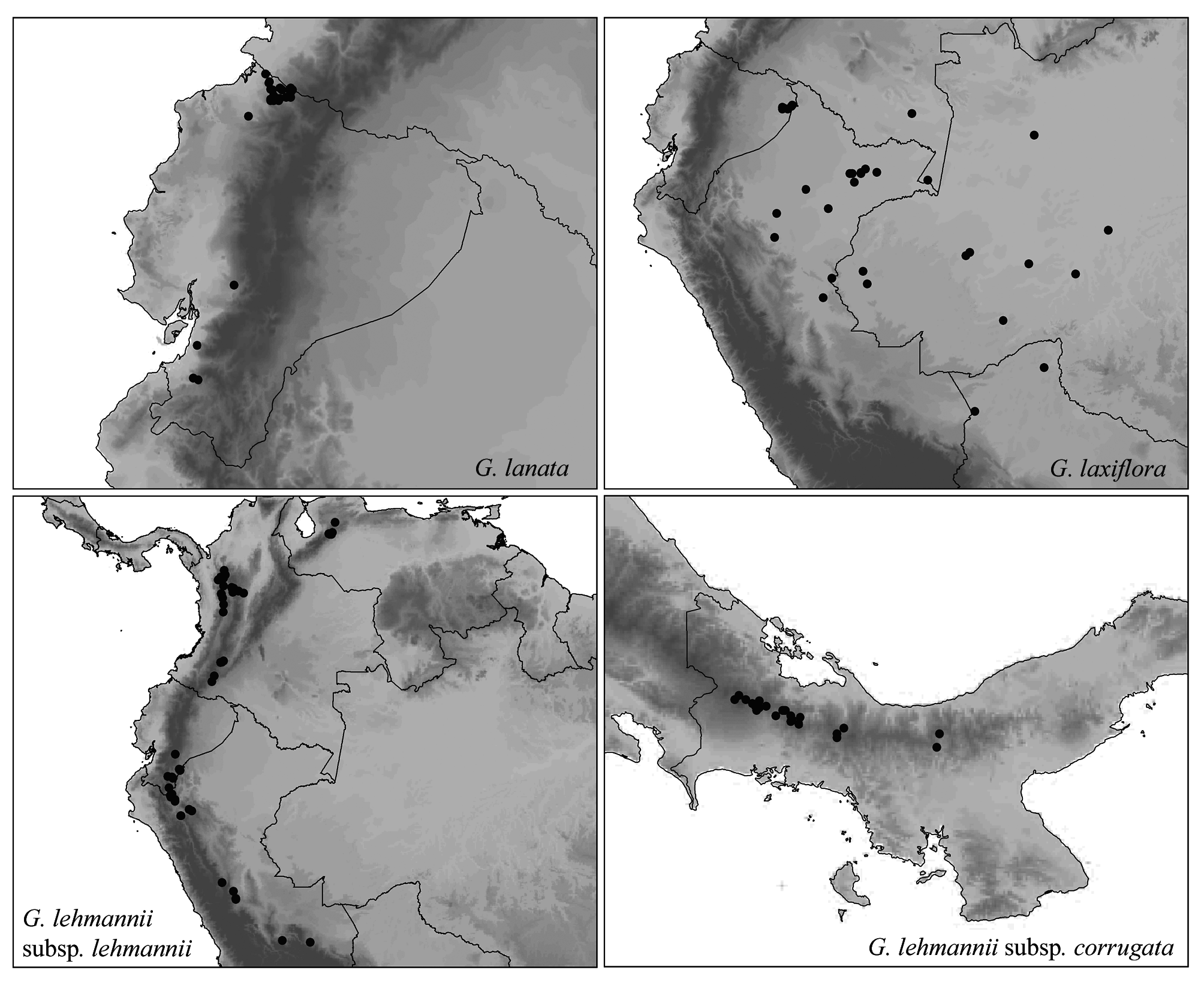
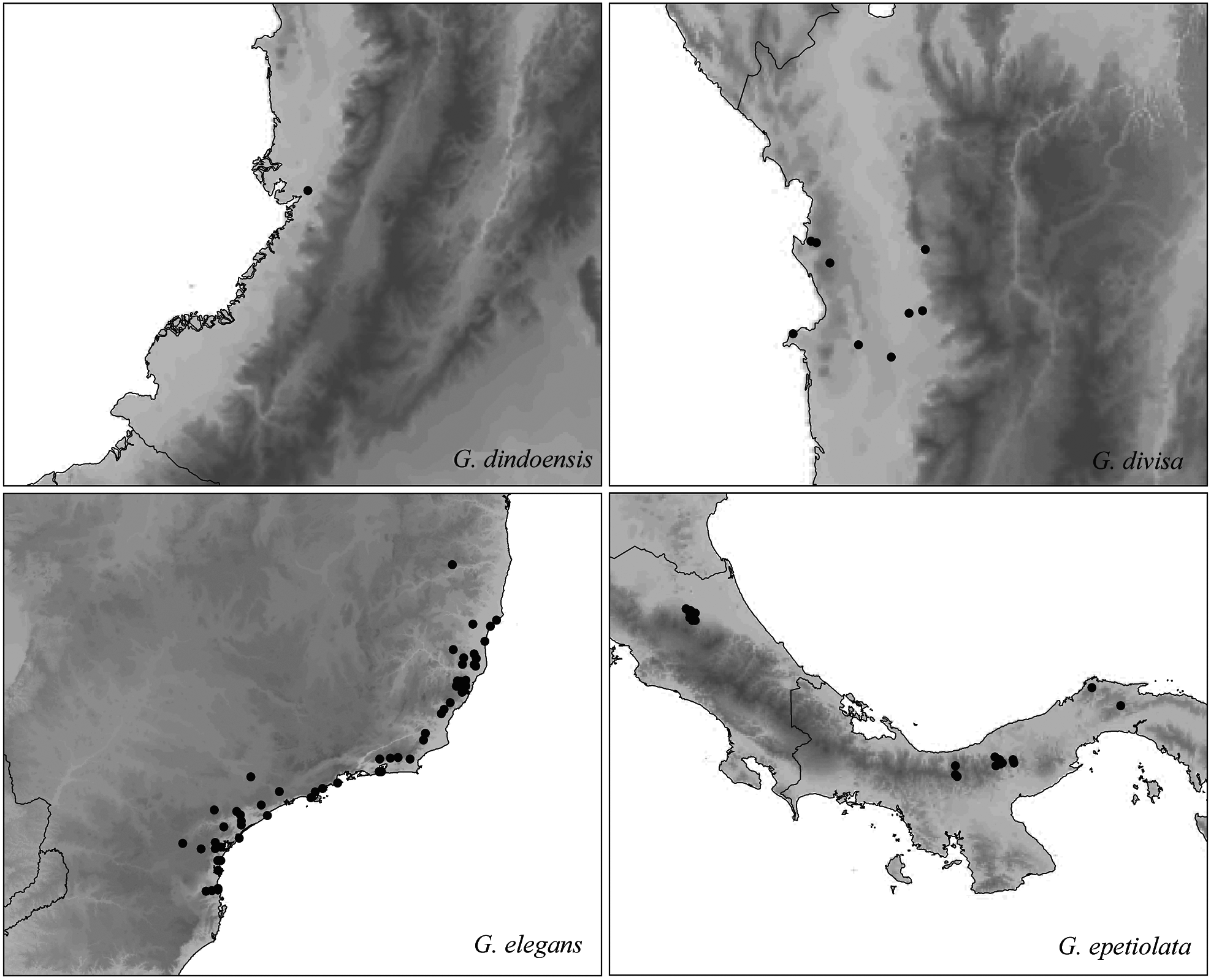
BR · Parque Nacional Natutral de Amacayacu | Parque Nacional Natural Serranía de Chiribiquete | Parque Nacional Natural La Paya | Parque Nacional Natural Cahuinarí | Santuario de Flora Plantas Medicinales Orito Ingi - Ande | Parque Nacional Natural Sierra de l · Bucaramanga | Puerto Wilches · Amazonas, Antioquia, Arauca, Caquetá, Casanare, Cauca, Chocó, Córdoba, Guainía, Guaviare, Meta, Nariño, Putumayo, Santander, Valle, Vaupés, Vichada · Departamentos del Caquetá y Guaviare: Parque Nacional Natural Serranía de Chiribiquete · Municipios de Tadó y Condoto, Distrito minero del San Juan · TomoGrande, 4.856823|-70.223777 · Cuenca de Río Claro · Microcuenca alta de río Tillavá · "Ariari-Guyabero, El Tuparro" · Parque Nacional Natural Serranía de Chiribiquete (PNNSCh) · Cerro Mecana, municipio Bahía Solano, Chocó · Belize · Bolivia · Brazil North · Colombia · Costa Rica · Ecuador · French Guiana · Guatemala · Guyana · Honduras · Nicaragua · Panamá · Peru · Suriname · Venezuela · Leticia | Villavicencio
Synonyms
Gynestum deversum