Genlisea aurea
Genlisea aurea A.St.-Hil.

Genlisea aurea is a carnivorous plant species belonging to the Lentibulariaceae family, native to Brazil. It is one of the largest species in the Genlisea genus and is characterized by its pale, root-like subterranean leaves that function as traps for protozoans. The plant has a small genome for a flowering plant and is distinguished by its yellow corolla and thick, succulent scape. It is found in various regions of Brazil and is known for its ecological and phytogeographic significance.
Description
Genlisea aurea is a terrestrial or helophytic species with a scape, bracts, bracteoles, pedicels, and sepals covered in long-stalked glandular trichomes. The plant has a thick, succulent, and slightly stiff scape. The corolla is yellow with a darker yellow, gibbous palate and glabrous lips. The lower lip is trilobed, and the spur is glandular, acute, and as long as or longer than the lower lip. The circumscissile capsule is also covered with long-stalked glandular trichomes. The species is easily distinguished by its unique morphological features, including the thick and succulent scape.
Habitat
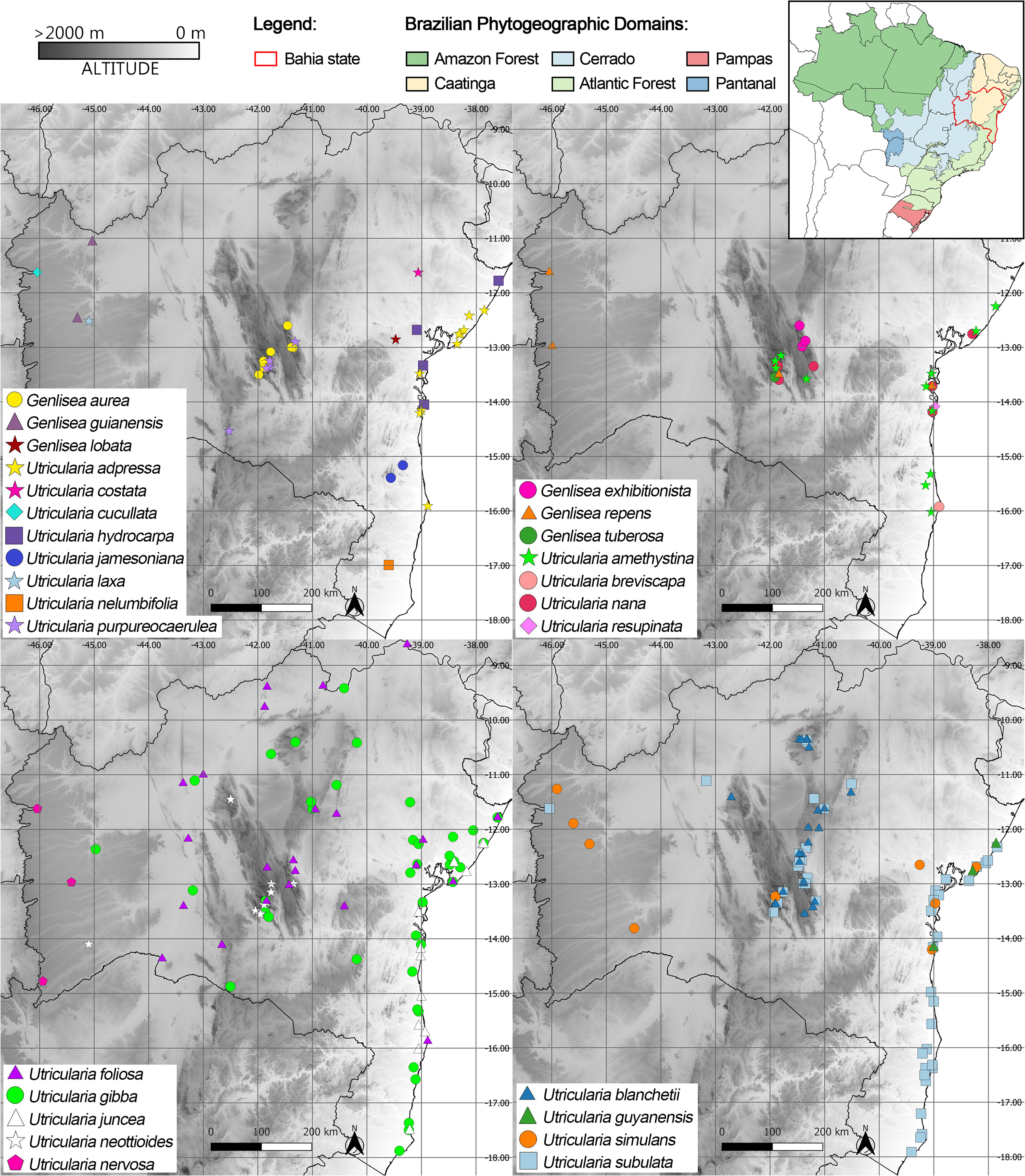
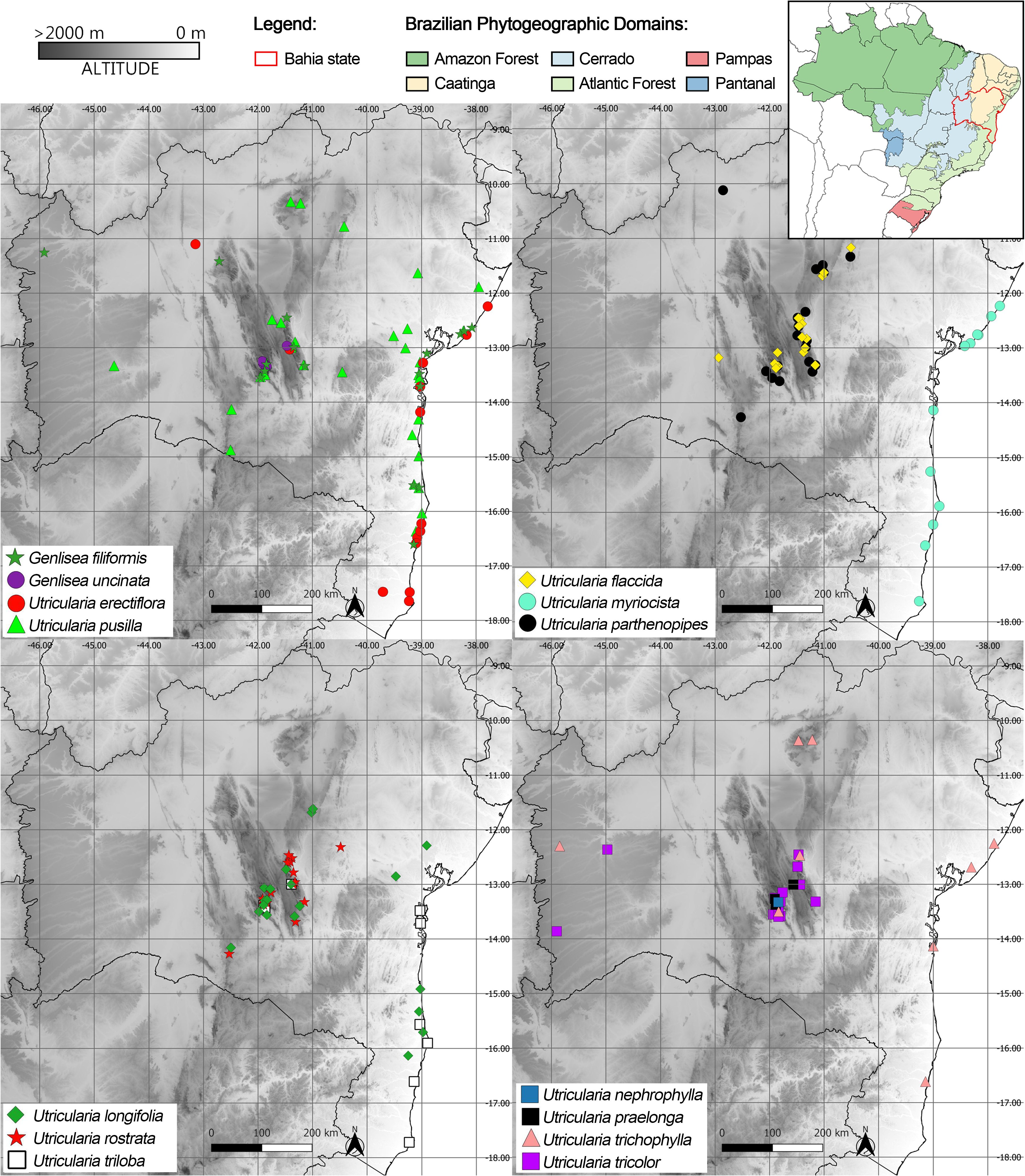
Genlisea aurea is native to Brazil and is found in various regions including the Northeast, North, Southeast, South, and West-Central areas. It is commonly found in the Chapada Diamantina highlands, where it grows in moist, often seasonally flooded habitats. The species is adapted to wetland environments and is often associated with other species of the Genlisea genus.
Cultivation
Cultivating Genlisea aurea requires a moist and nutrient-poor environment, as it is adapted to wetland habitats. The plant thrives in well-draining, peat-based soils and benefits from high humidity. It should be grown in bright, indirect light and kept consistently moist. Due to its carnivorous nature, it can be supplemented with small amounts of water-soluble fertilizer or by allowing it to capture small aquatic organisms in its subterranean traps.
Uses
Genlisea aurea is primarily of ecological and scientific interest due to its carnivorous nature and unique subterranean trapping structures. It is also valued for its ornamental qualities and is cultivated by enthusiasts of carnivorous plants. The species contributes to the biodiversity of its native habitats and is a subject of study in phytogeography and conservation research.
Distribution
BR · Neotropical · Brazil Northeast · Brazil North · Brazil Southeast · Brazil South · Brazil West-Central