garlic-pear
Crateva religiosa G.Forst.

Crateva religiosa, known as garlic-pear, is a flowering tree in the Capparaceae family. It is native to tropical Asia and several South Pacific islands, and is cultivated in other regions for its fruit, including parts of Africa. The tree is also referred to as the spider tree due to the long, spidery stamens of its flowers. It was first described in 1786 by G.Forst.
Description
Crateva religiosa is a species of flowering tree found in tropical Asia and various South Pacific islands. It is sometimes called the spider tree because of the long, spidery stamens in its flowers. The tree is cultivated in regions such as Africa for its fruit. It belongs to the Capparaceae family and was first described in 1786 by G.Forst. Its distribution includes areas such as Assam, Bangladesh, Borneo, Cambodia, China Southeast, the East Himalaya, Fiji, Hainan, India, Jawa, Laos, Malaya, and Maluku, among others.
Other common names
March dalurgarlic-pearsacred barmasacred garlic-peartempleplantsacred garlic pear
Distribution
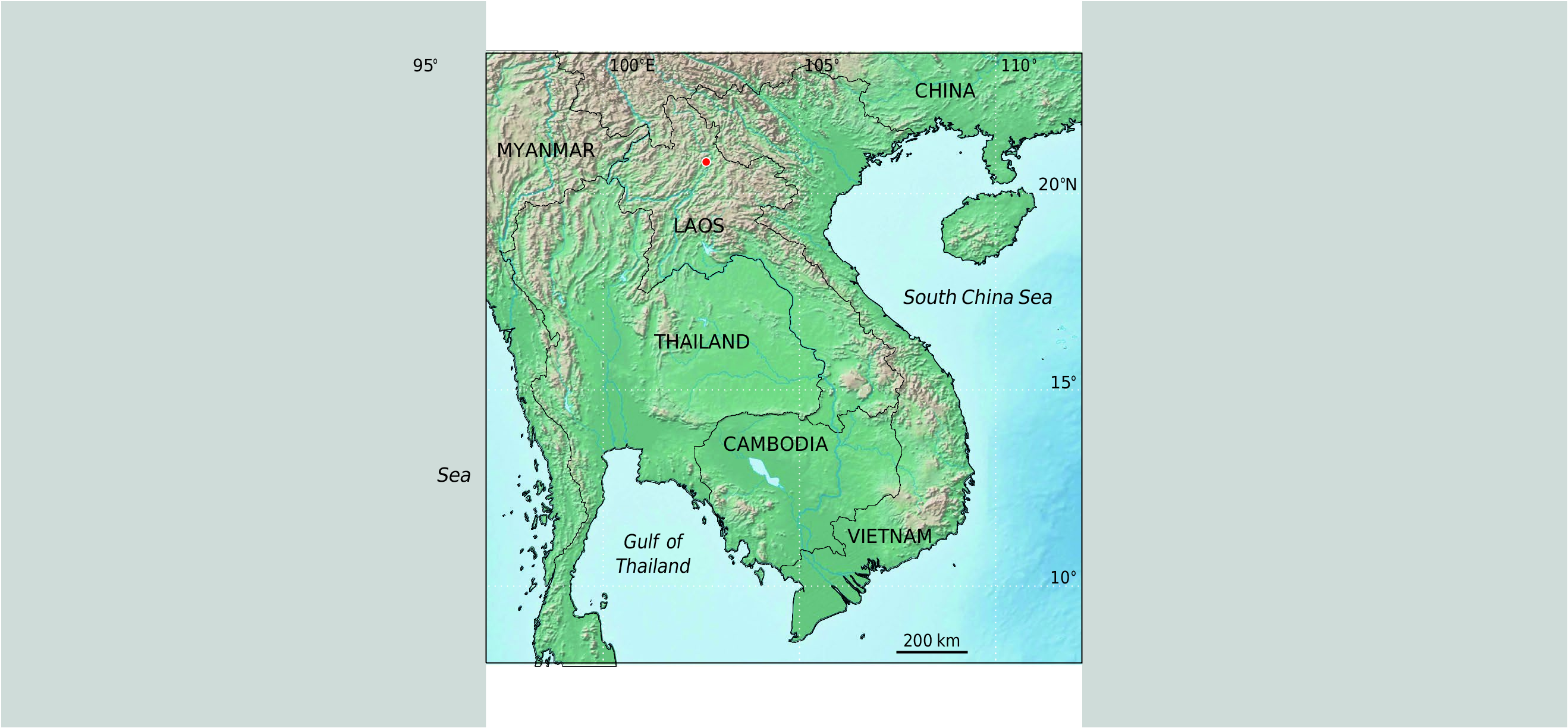
TD · Global · TW · Assam · Bangladesh · Bismarck Archipelago · Borneo · Cambodia · Caroline Is. · China Southeast · East Himalaya · Fiji · Gilbert Is. · Hainan · India · Jawa · Laos · Malaya · Maluku · Marianas · Myanmar · Nepal · New Guinea · Nicobar Is. · Philippines · Queensland · Samoa · Society Is. · Solomon Is. · Sulawesi
Synonyms
Capparis trifoliataCrateva browniiCrateva hansemanniiCrateva macrocarpaCrateva membranifoliaCrateva speciosa