Garland-flower
Daphne cneorum L.

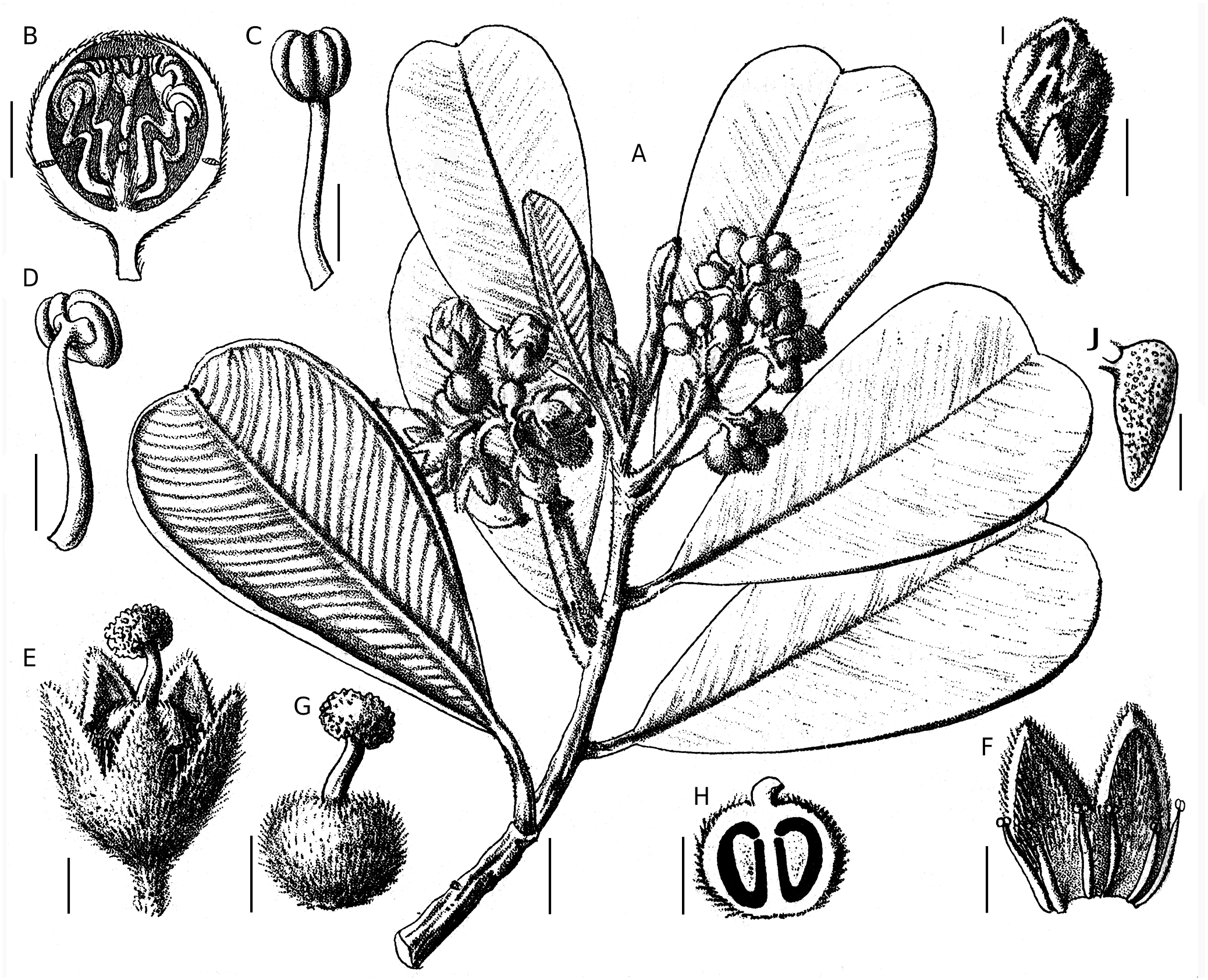
Daphne cneorum, known as garland-flower, is a prostrate, evergreen shrub in the Thymelaeaceae family. It is native to the mountains of central and southern Europe, including the Pyrenees, Alps, Apennines, Carpathians, and the Balkans, with a distribution extending to Ukraine and westernmost Russia. The plant features downy stems, hairless leaves 10–20 mm long, and fragrant pink flowers in dense clusters of 6–8, blooming in spring. It grows to 50 cm in height and is toxic to humans.
Description
Daphne cneorum is a low-growing shrub that spreads across rocky or well-drained soils in mountainous regions. It is part of the Thymelaeaceae family and is commonly found in the wild in central and southern Europe. The plant is characterized by its small, spatulate leaves and clusters of pink, highly scented flowers that appear in spring. All parts of the plant contain toxic compounds, making it harmful if ingested. It is a hardy, evergreen shrub that thrives in alpine and subalpine habitats.
Other common names
Garland-flowerrose daphne
Distribution
NO · conterminous 48 United States · Albania · Austria · Belarus · Bulgaria · Central European Rus · Czechoslovakia · France · Germany · Hungary · Italy · Poland · Romania · Spain · Switzerland · Ukraine · Yugoslavia
Synonyms
Thymelaea cneorumLaureola cneorumDaphne cneorum subsp. canescens