Forest Sugarbush
Protea mundii Klotzsch

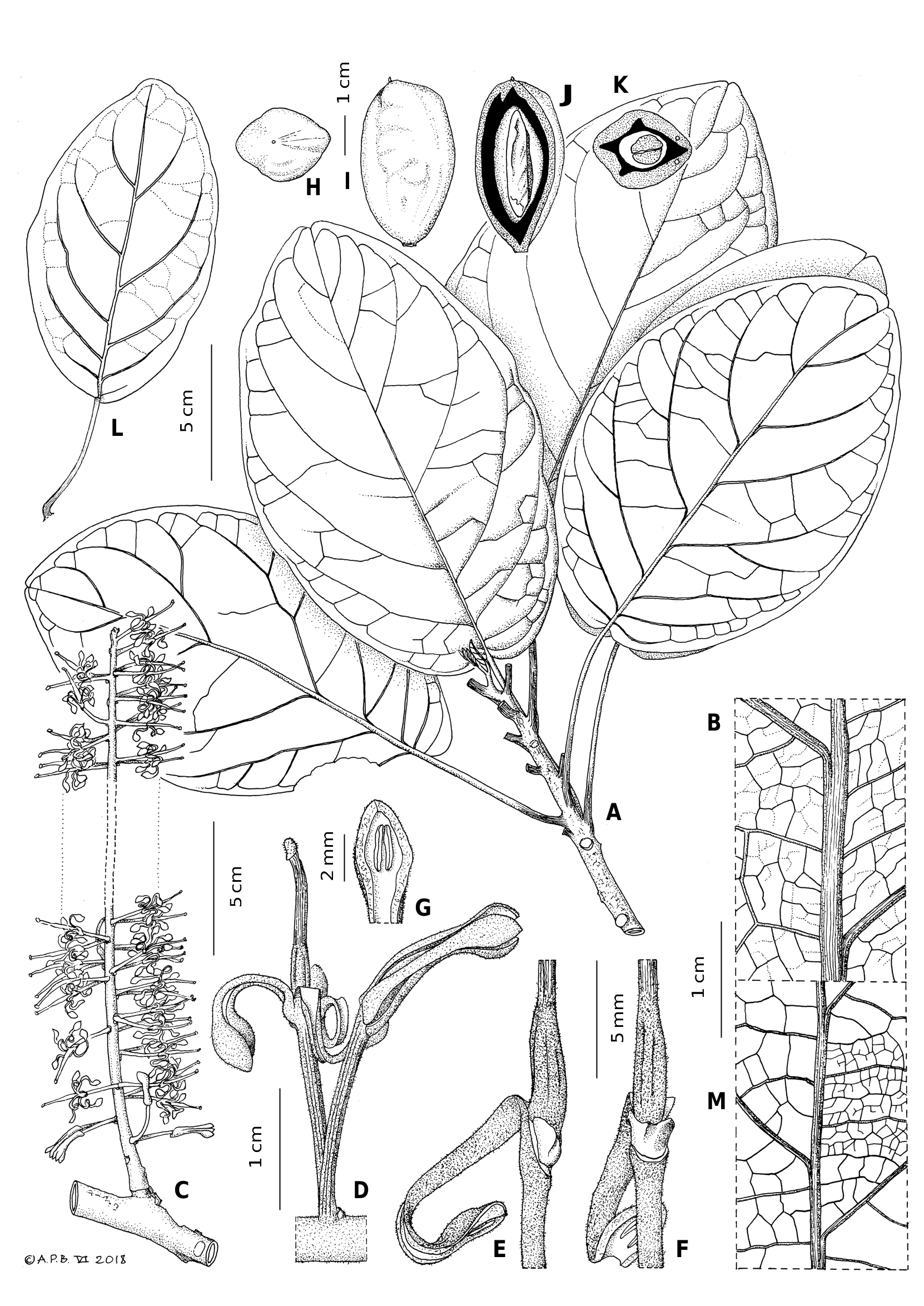
Protea mundii, the forest sugarbush, is a flowering shrub native to the Cape Provinces of South Africa. It grows in forest margins at elevations between 200 and 1,300 m, reaching up to 8 m in height. The plant features white to ivory flowers that attract bees, butterflies, and birds. The species is named after Johannes Ludwig Leopold Mund, a German natural history collector active in the Cape until 1831.
Description
Protea mundii belongs to the Proteaceae family and is part of the Protea genus. It is found in the Cape Provinces and has a global distribution. The species was first described in 1838 by Klotzsch. Its flowers are notable for their color and ecological role in attracting pollinators. The plant is adapted to its native habitat and is a part of the region's diverse flora.
Other common names
Forest SugarbushForest White SugarbushWhite Sugarbush
Distribution
Global · Cape Provinces
Synonyms
Leucadendron penicillatumProtea penicillataScolymocephalus penicillatus