Entada rheedei
Entada rheedei Spreng.

Entada rheedei is a large woody liana, known for its extensive length and distinctive seed pods. Commonly called African dream herb or snuff box sea bean, this plant is part of the Fabaceae family and is native to tropical regions across Africa, Asia, and the Pacific. Its seeds are notable for their durability and ability to float in seawater for long periods, often washing ashore on distant coasts. The plant is valued for both its ecological and cultural significance, particularly in traditional practices and as a source of natural materials.
Description
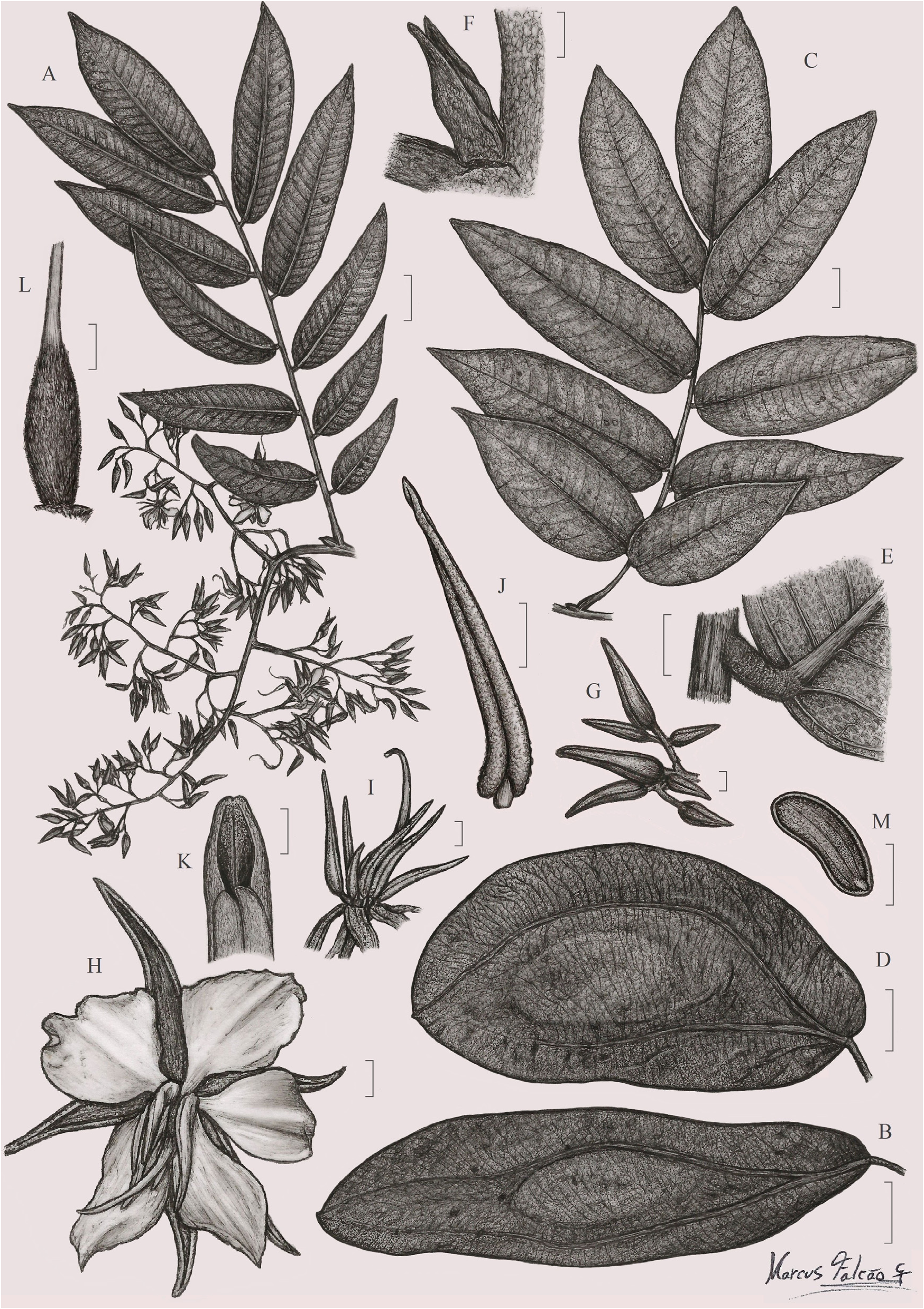
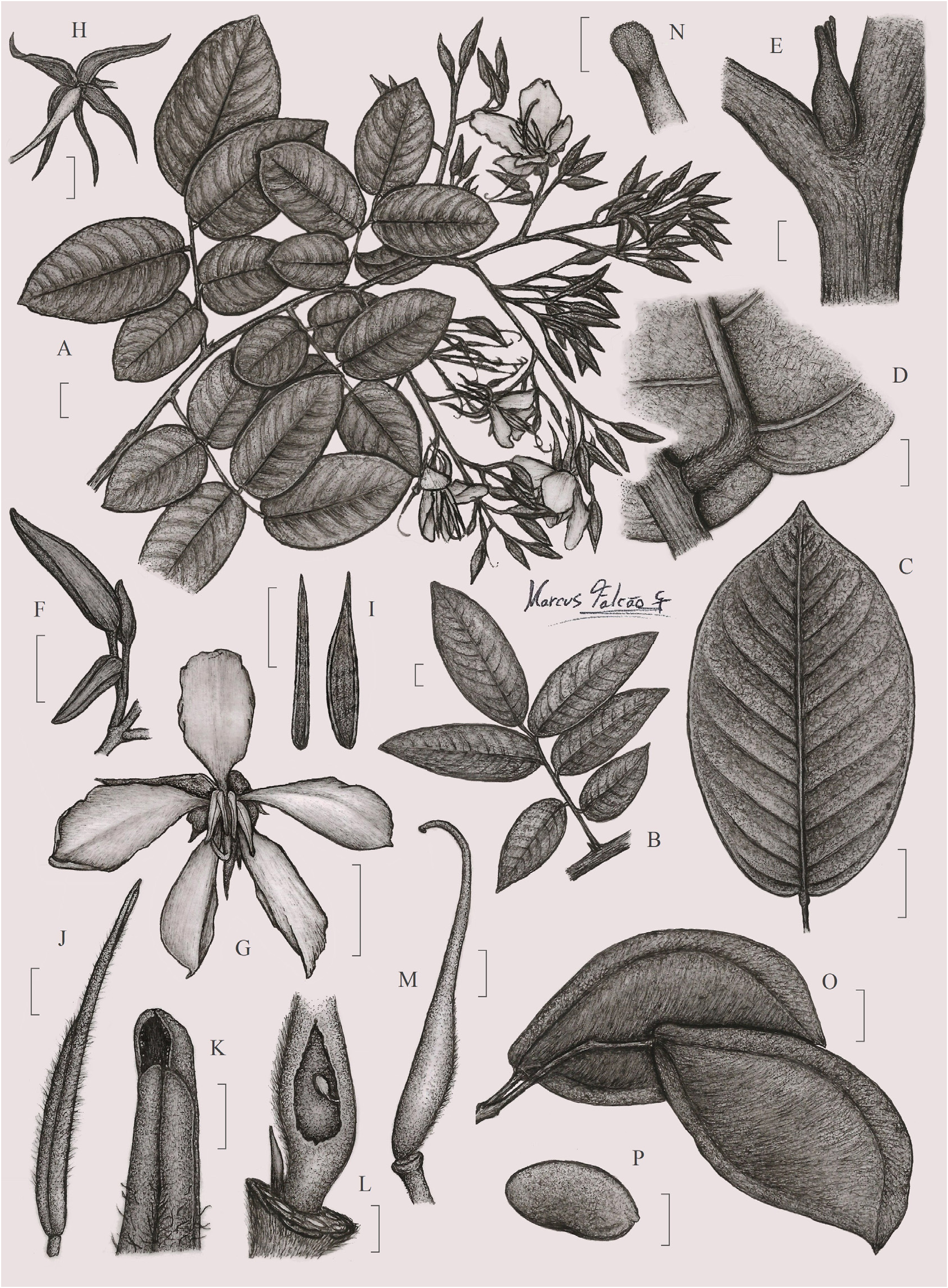
Entada rheedei is a climbing vine that can reach lengths of up to 75 meters, with stems up to 30 cm in diameter at the base. The leaves are compound, with rachises 6.4 to 12.9 cm long and 1 to 2 pairs of pinnae per leaf. Each pinna is 5 to 14 cm long and contains 3 to 5 pairs of opposite leaflets, which are elliptic to oblanceolate in shape. The inflorescence is a spike, 8 to 25 cm long, bearing small, cream or greenish flowers with an unpleasant odor. The fruit is a large, woody pod, 50 to 200 cm long and 7 to 15 cm wide, divided into one-seeded segments by transverse septa. The seeds are subcircular, laterally compressed, and have a hard, brown seed coat.
Habitat
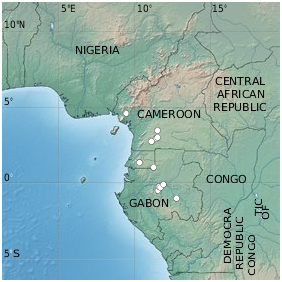
This species is found in a wide range of tropical habitats, including lowland forests, riverbanks, and disturbed areas. It thrives in warm, humid climates and is often associated with moist, well-drained soils. Entada rheedei is native to regions such as Bangladesh, Cameroon, China, and the Andaman Islands, and has a broad distribution across tropical Africa, Southeast Asia, and the Pacific. It is also known to occur in the Bismarck Archipelago and the Comoros. The plant's ability to grow in diverse environments contributes to its widespread occurrence.
Cultivation
Entada rheedei is not commonly cultivated for commercial purposes but may be grown in botanical gardens or as an ornamental plant in tropical regions. It requires a warm, humid climate and well-drained soil to thrive. Propagation is typically through seeds, which have a thick, durable coat that allows them to remain viable for extended periods. Germination can be slow and may require scarification to break the seed coat. The plant benefits from regular watering and partial shade, especially when young. Due to its climbing nature, it may need support structures or a trellis to grow properly.
Uses
The seeds of Entada rheedei are perhaps its most notable feature. They are used in various cultural and traditional practices, including as charms or in rituals. The seeds' ability to float in seawater for long distances has made them a common find on tropical beaches, where they are sometimes used as souvenirs or in crafts. In some regions, the seeds are used in traditional medicine, though specific medicinal applications are not well-documented. The plant's woody structure and climbing habit make it useful for erosion control in certain environments. Additionally, the vine may serve as a food source for some wildlife species.
Distribution
BD · KM · MU · TW · SC · Andaman Is. · Assam · Bangladesh · Bismarck Archipelago · Borneo · Cambodia · Cameroon · China South-Central · China Southeast · Christmas I. · Comoros · East Himalaya · Equatorial Guinea · Ghana · Guinea-Bissau · Guinea · Hainan · India · Ivory Coast · Jawa · Kenya · KwaZulu-Natal · Laos · Lesser Sunda Is. · Liberia