elegant mimosa
Mimosa arenosa (Willd.) Poir.

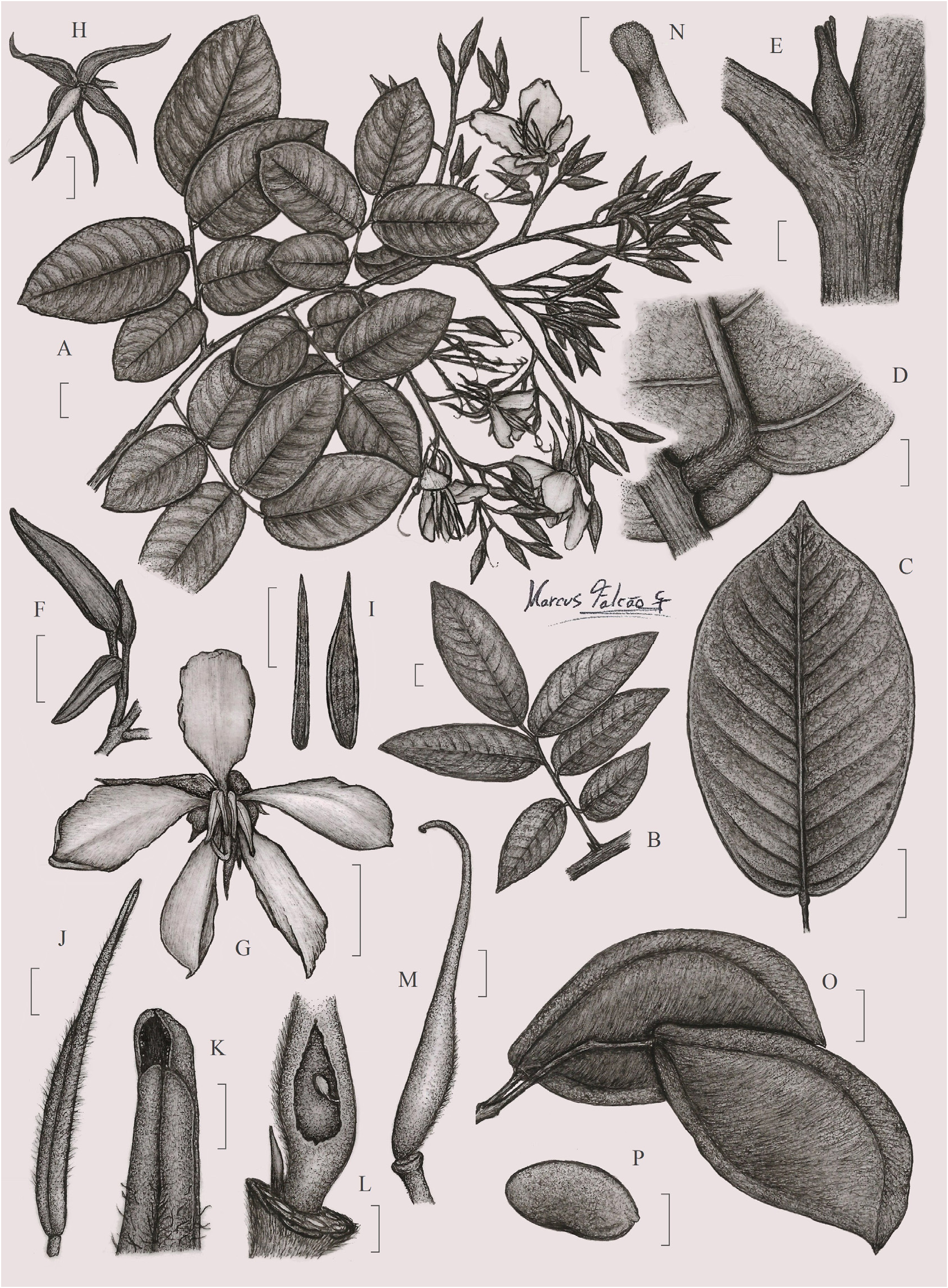
Mimosa arenosa, known as elegant mimosa, is a tree species in the Fabaceae family, native to regions across South and Central America, the Caribbean, and parts of the Antilles. It is characterized by its tomentose, aculeate branches, bipinnate leaves, and distinctive flat craspedium fruits. The species is distinguished from related Mimosa species by its spiciform inflorescence and white flowers, as well as the unique morphology of its fruits and aculei.
Description
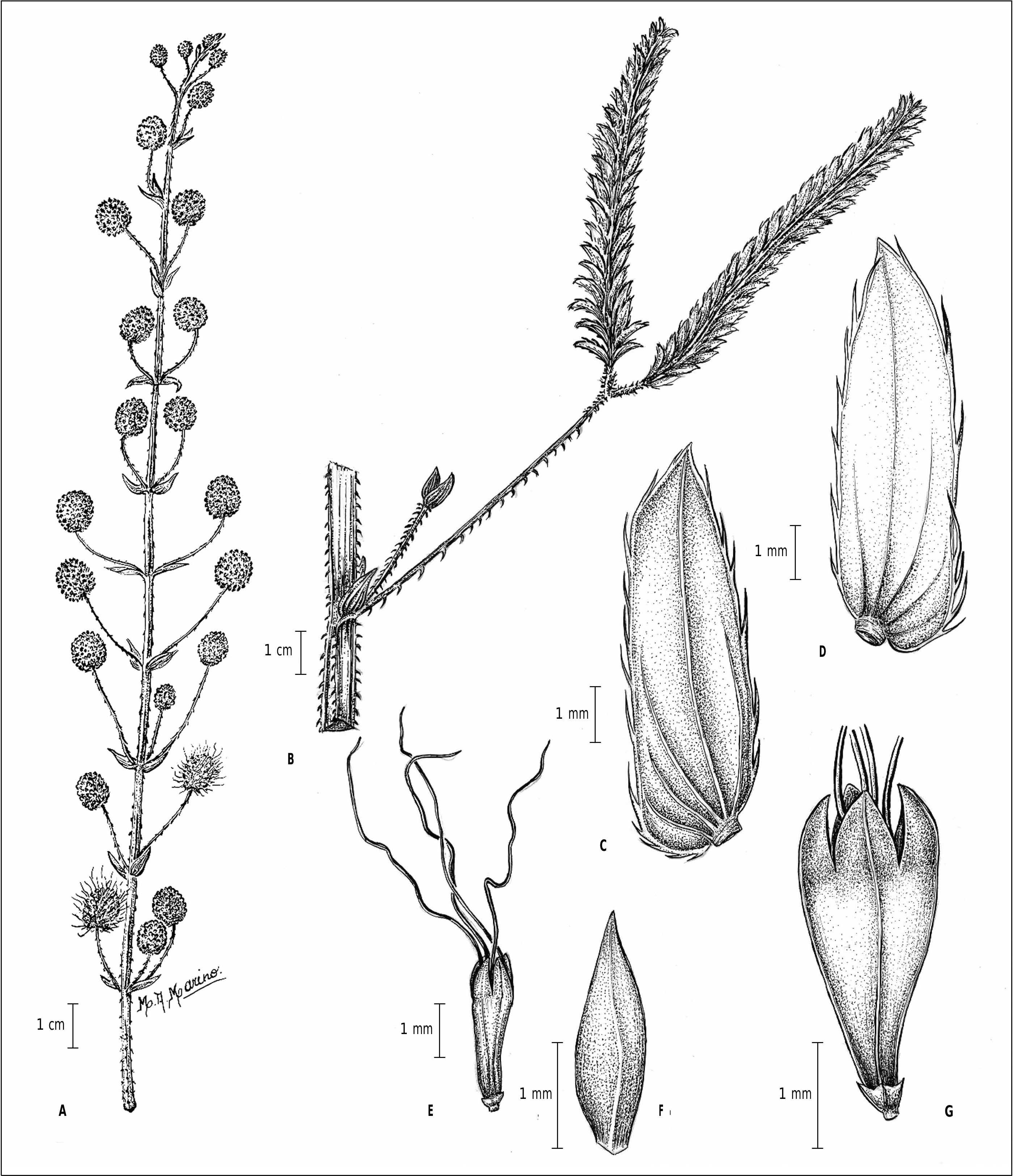
Mimosa arenosa is an arboreal species with tomentose, aculeate branches. The leaves are bipinnate and paripinnate, with 14 to 18 leaflets arranged oppositely and oblong in shape. The inflorescence is a spike, axillary in position, bearing sessile, actinomorphic flowers with a gamosepalous calyx of four sepals and a gamopetalous, tubular corolla of four white petals. The androecium is dialystaminous and homodinamous, with longitudinal anthers. The superior, stipitate ovary is pluriovulate. The fruit is a linear, plane craspedium with a glabrous, brown epicarp and a straight margin. Seeds have not been observed in this species.
Habitat
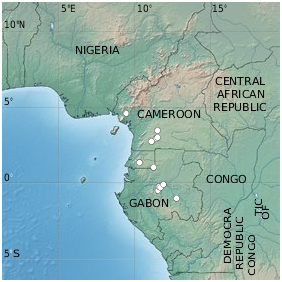
Mimosa arenosa is found in a range of habitats, including tropical dry forests and semi-arid regions. It is distributed across Brazil (Northeast and Southeast), Colombia, Mexico (Southwest), Nicaragua, Puerto Rico, the Venezuelan Antilles, and Venezuela. Specific locations include the Bosque Seco Tropical del caribe colombiano and conservation units such as the Parque Nacional Natural Sierra Nevada de Santa Marta and Parque Nacional Natural Tayrona. It typically grows at elevations between 206 and 259 meters.
Cultivation
Cultivation of Mimosa arenosa is likely suited to tropical and subtropical climates, given its native distribution. It may thrive in well-drained soils and requires full sun. Due to its aculeate branches and specific ecological adaptations, it may be more suitable for botanical gardens or conservation projects rather than general horticulture. Propagation is likely through seeds, though seed availability is limited due to the lack of observed seeds in documented studies.
Uses
While specific traditional or commercial uses of Mimosa arenosa are not widely documented, the species may have ecological significance in its native habitats, contributing to biodiversity and providing habitat for local fauna. As a member of the Fabaceae family, it may have potential for soil enrichment through nitrogen fixation, though this has not been specifically studied in this species. Its ornamental value may be limited due to its aculeate nature and the absence of showy flowers typical of some other Mimosa species.
Other common names
elegant mimosa
Distribution
Cesar, La Guajira · BR · Parque Nacional Natural Sierra Nevada de Santa Marta Vía Parque Isla de Salamanca | Parque Nacional Natural Tayrona · Bolívar, La Guajira, Magdalena · Global · Municipio de Barrancas, Cerrejón Cerro La Potrosa, Bosque Seco Tropical del caribe colombiano, lat: 11° 05' 5.1'' N, long: 72° 33' 57.8'' W, 206-259 m · Brazil Northeast · Brazil Southeast · Colombia · Mexico Southwest · Nicaragua · Puerto Rico · Venezuelan Antilles · Venezuela · Windward Is.
Synonyms
Acacia arenosaNeltuma arenosa