ebolo
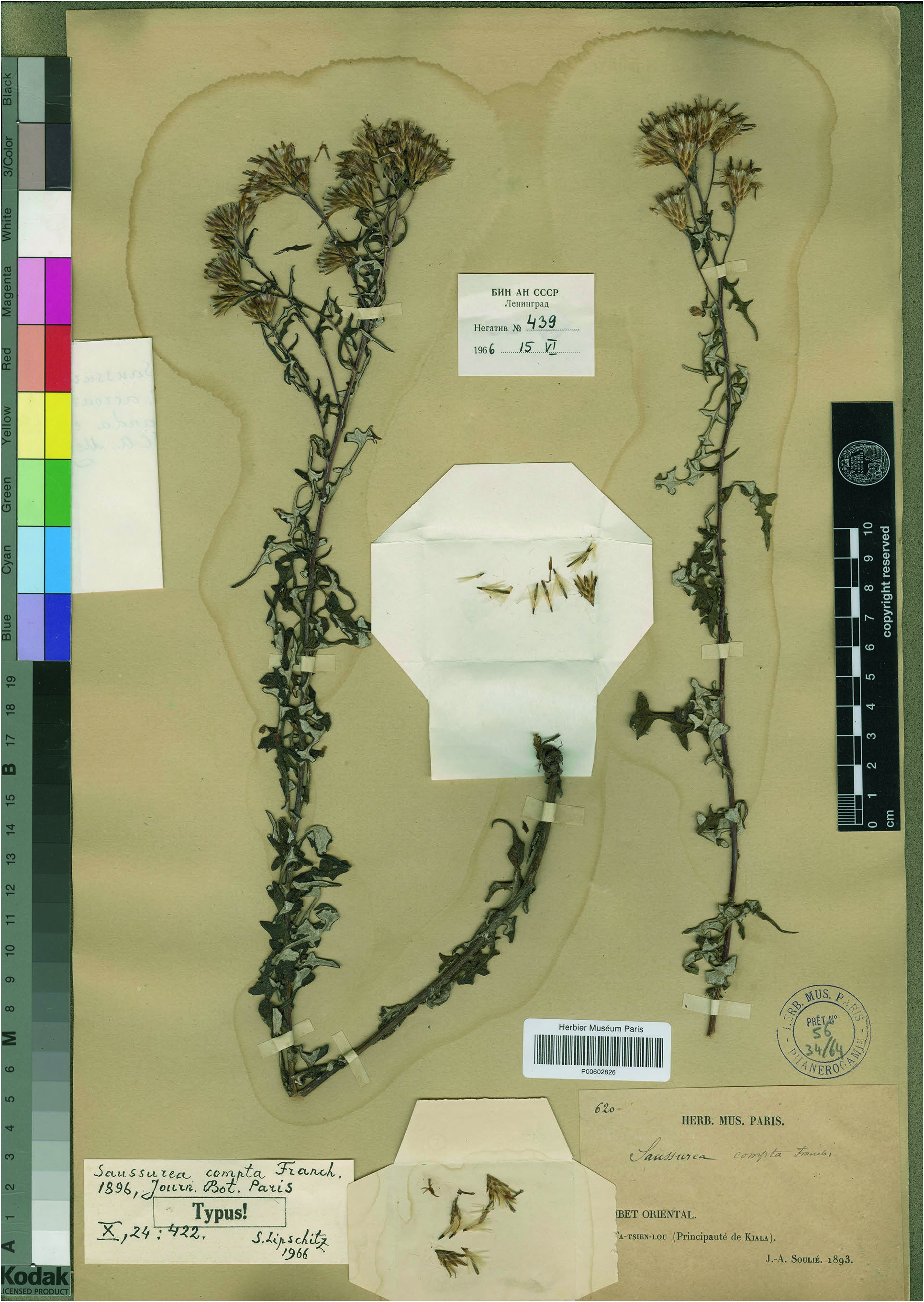
Crassocephalum crepidioides S.Moore

Crassocephalum crepidioides, known as ebolo, is an erect annual herb in the Asteraceae family. It grows up to 180 cm tall and is native to tropical and subtropical regions, particularly tropical Africa. The plant is used as a vegetable, with its fleshy leaves and stems consumed for food. Different parts of the plant are also used in traditional medicine, though internal use requires further research due to the presence of plant toxins.
Description
Crassocephalum crepidioides, commonly called ebolo, is an annual herb in the Asteraceae family. It grows up to 180 cm tall and is characterized by its slightly succulent, erect structure. The plant is widely distributed in tropical and subtropical regions, including tropical Africa. Its fleshy, mucilaginous leaves and stems are consumed as a vegetable. The plant is also used in traditional medicine, with various parts having medicinal applications. However, the presence of plant toxins means that the safety of internal use has not been fully established and requires further investigation.
Other common names
Redflower ragleafthickheadfireweedebolored-flower ragleaf
Distribution
TR · TW · MM · VU · LK · BN · CK · NP · NU · AS · WS · PW · SB · KH · BT · TH · KM · FM · VN · MU · SG · WF · Turkey (in Europe) · ID · IN · MY · BJ · MG · PG · CN
Synonyms
Gynura microcephalaGynura crepidioidesGynura crepidioides var. crepidioidesCrassocephalum crepidioides f. crepidioidesCrassocephalum crepidioides var. crepidioidesGynura polycephalaGynura diversifoliaCrassocephalum diversifoliumSenecio diversifolius