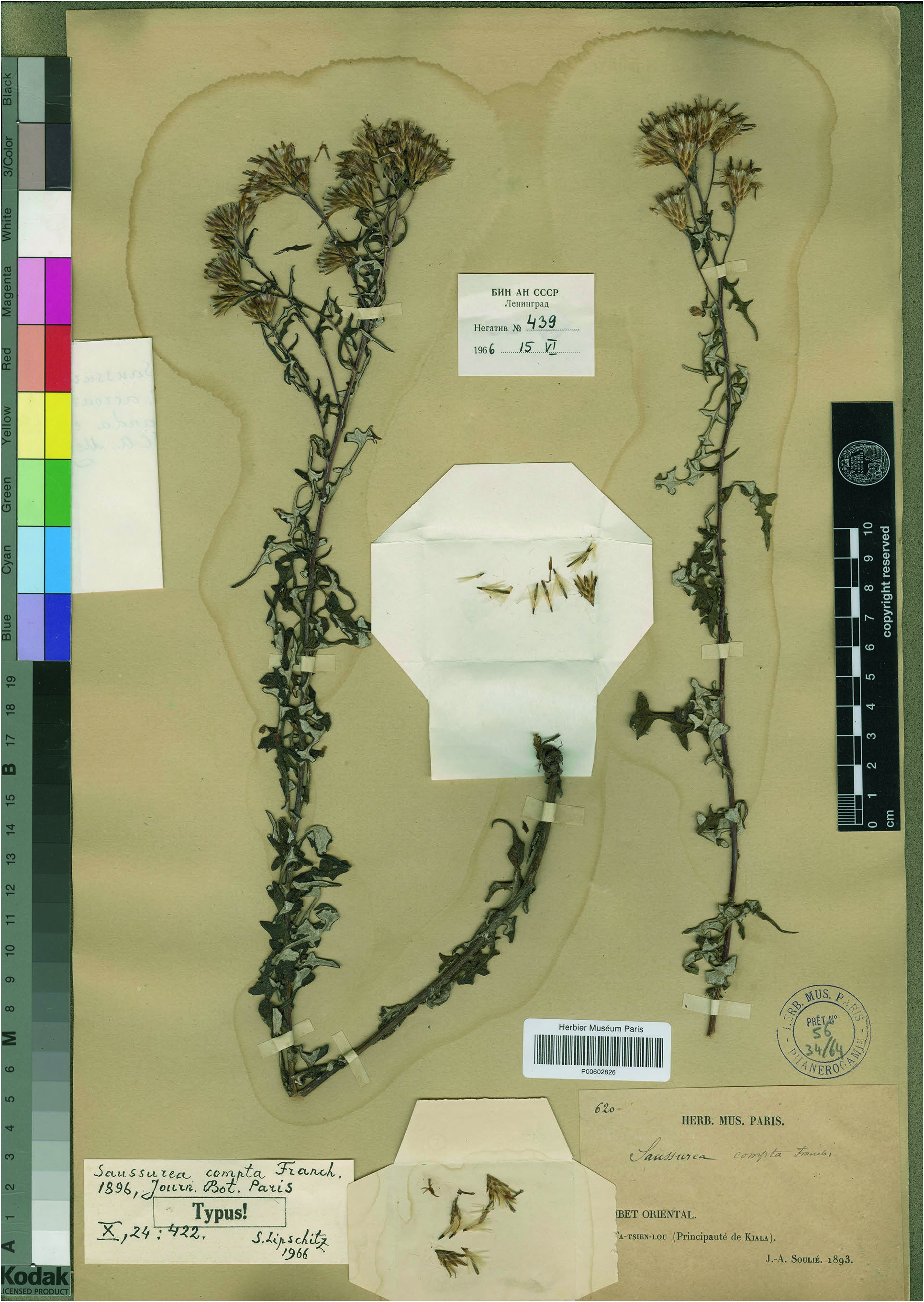
Devil'S Paintbrush
Pilosella aurantiaca (L.) F.W.Schultz & Sch.Bip.

Pilosella aurantiaca, commonly known as Devil's Paintbrush, is a perennial flowering plant belonging to the Asteraceae family. It is native to alpine regions of central and southern Europe and is protected in several regions due to its ecological and ornamental value. The plant is also found in various other parts of the world, including North America, South America, and parts of Oceania.
Description
Pilosella aurantiaca is characterized by its vibrant orange to reddish-orange flowers, which are arranged in dense, brush-like inflorescences. The plant typically grows in a compact form, with hairy, basal leaves and a rosette growth habit. It is a hardy perennial that thrives in alpine and subalpine environments, often found in rocky or gravelly soils. The species is known for its bright, showy blooms that appear in the spring and early summer, making it a striking addition to natural and cultivated landscapes.
Habitat
The plant is primarily found in alpine and subalpine habitats, where it grows in rocky, well-drained soils. It is commonly found in mountainous regions, often in open, sunny locations such as scree slopes, rocky outcrops, and alpine meadows. Pilosella aurantiaca is adapted to cold climates and is able to withstand harsh, high-altitude conditions. It is also found in disturbed areas and along roadsides in some regions, where it can form dense colonies.
Cultivation
Pilosella aurantiaca is relatively easy to cultivate in a garden setting, provided that the soil is well-drained and the plant is given full sun. It prefers cool to moderate temperatures and can tolerate some frost. The plant is drought-tolerant once established and benefits from occasional watering during dry periods. It can be propagated by seed or division, with the best results obtained in early spring or fall. When grown in a garden, it makes a striking ornamental plant due to its vivid flower color and compact growth habit.
Uses
Pilosella aurantiaca is primarily used as an ornamental plant in gardens and rock gardens, where its bright orange flowers add color and interest. It is also used in ecological restoration projects in alpine and subalpine regions, where it can help stabilize soils and provide habitat for pollinators. In some regions, it is protected due to its ecological importance and is considered a species of conservation concern. The plant is also of interest to botanists and horticulturists for its unique appearance and adaptability to harsh environments.
Other common names
Devil'S PaintbrushDevil'S-PaintbrushFox And CubsFox-And-CubsKing DevilKing-DevilOrange HawkweedOrange-Red King Devil
Distribution
Labrador · Newfoundland · Alberta · British Columbia · Manitoba · New Brunswick · Nova Scotia · Ontario · Prince Edward Island · Quebec · Saskatchewan · Saint Pierre and Miquelon · Switzerland · Belgium · New Zealand South · New Zealand North · Czechoslovakia · Tasmania · Tierra del Fuego (Argentina) · Ukraine · Krym · Slovenia · Norway · Hungary · Spain · Ireland · Poland · Finland · Italy · Denmark
Synonyms
Hieracium neriedowaeHieracium subaurantiacumHieracium brunneo-croceumPilosella bihariensisHieracium biharienseHieracium aurantiacum f. aurantiacumHieracium aurantiacumHieracium aurantiacum subsp. pyrrhophorumHieracium aurantiacum subsp. hinterhuberiHieracium aurantiacum var. aurantiacumPilosella aurantiaca subsp. brunneocroceaHieracium aurantiacum subsp. flammansHieracium aurantiacum subsp. subaurantiacumHieracium aurantiacum subsp. aurantiacumPilosella subaurantiacaPilosella carpathicolaHieracium aurantiacum subsp. carpathicolaHieracium aurantiacum subsp. spanochaetiumHieracium hinterhuberiHieracium aurantiacum subsp. porphyranthesHieracium aurantiacum subsp. neriedowaePilosella aurantiaca subsp. subaurantiacaHieracium aurantiacum subsp. achnolepiumPilosella aurantiaca subsp. carpathicolaPilosella neriedowaePilosella carpathicolaHieracium subaurantiacumHieracium carpathicolaHieracium aurantiacum subsp. pseudaurantiacumHieracium brunneocroceum