curara-pea
Crotalaria trichotoma Bojer

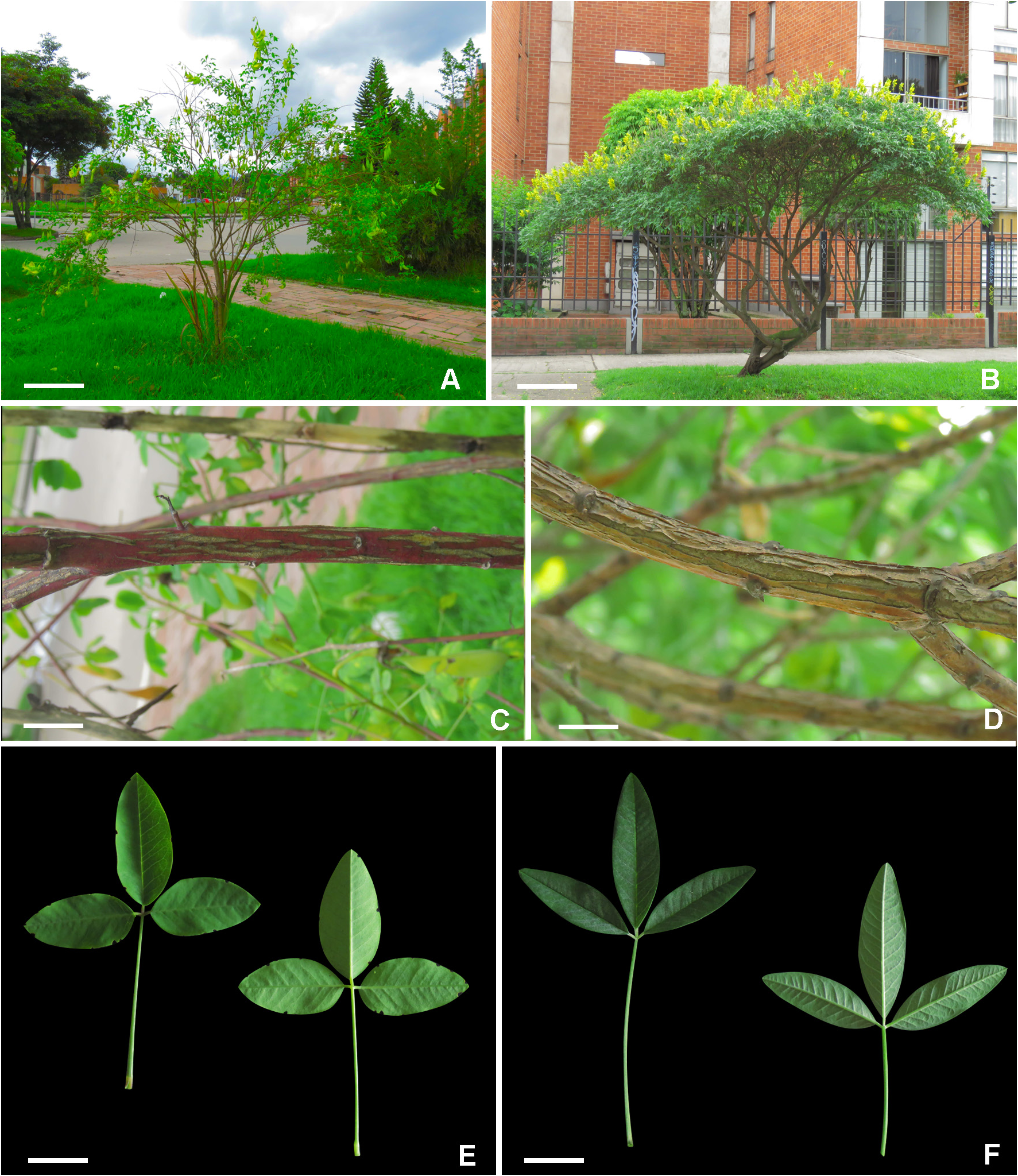
Crotalaria trichotoma, commonly known as curara-pea, is a species in the genus Crotalaria, family Fabaceae. It was first described by Bojer in 1835. This plant is native to a wide range of regions, including parts of Africa, Asia, the Americas, and the Pacific, with occurrences in countries such as Brazil, South Carolina, Papua New Guinea, Angola, Benin, Japan, and the United States.
Description
Crotalaria trichotoma is a member of the Fabaceae family, a large and ecologically significant plant family. It is found in various habitats across its extensive distribution, spanning continents and islands. The species has been documented in regions such as Brazil, South Carolina, Papua New Guinea, the Bismarck Archipelago, Japan, Hawaii, and parts of Africa and the United States. It was formally published in 1835 by the botanist Bojer. This species is part of the Crotalaria genus, which includes numerous species known for their yellow flowers and legume characteristics.
Other common names
West Indian rattleboxcurara-pea
Distribution
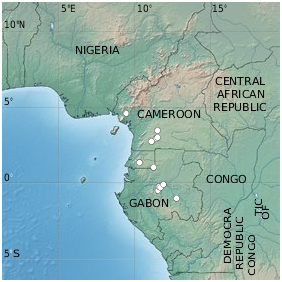
BR · SC · PW · NR · BF · FM · GY · MG · PG · CN · AU · TL · TW · JP · SV · Hawaii · conterminous 48 United States · Angola · Benin · Bismarck Archipelago · Borneo · Brazil Southeast · Burkina · Cameroon · Caroline Is. · Chad · China South-Central · China Southeast · Congo · Dominican Republic
Synonyms
Crotalaria usaramoensisCrotalaria zanzibaricaCrotalaria thomensisCrotalaria cleomoides