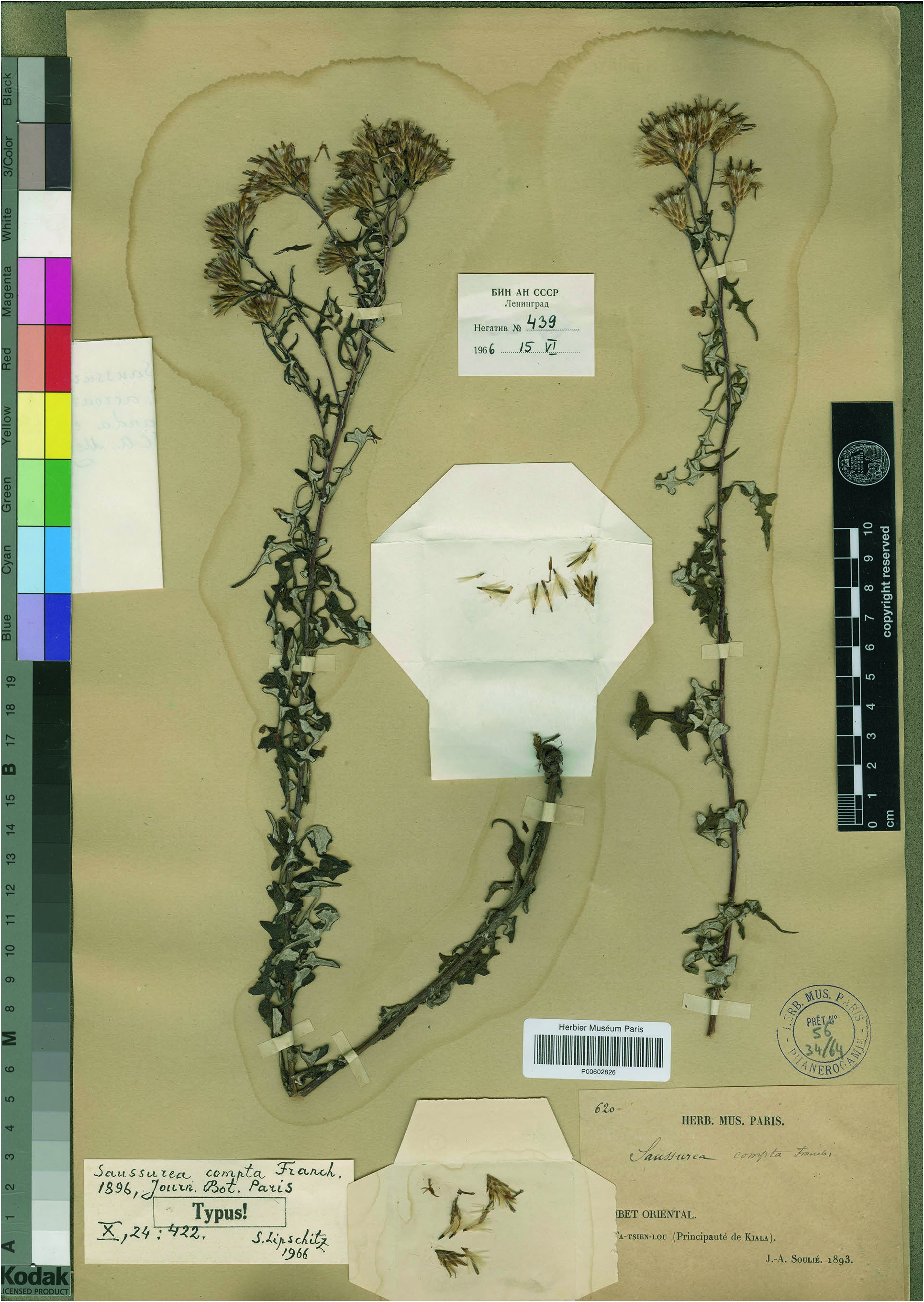
Cupid's-paintbrush
Emilia coccinea (Sims) G.Don

Emilia coccinea, known as Cupid's-paintbrush, is an annual herb native to a wide range of regions, including parts of South America, Africa, and the Caribbean. It is a member of the Asteraceae family and is commonly found in wetland environments such as river and lake shores. This species was first described in 1839 and has since been recorded in numerous countries, including Colombia, Angola, Brazil, and the United States.
Description
Emilia coccinea is an annual herb characterized by its vibrant red inflorescences, which resemble a paintbrush, giving rise to its common name. It typically grows in moist habitats and is often found along the edges of rivers and lakes. The plant is known for its rapid growth and ability to thrive in disturbed areas. It is a member of the genus Emilia, which includes several species with similar ecological preferences and morphological traits.
Habitat
This species is commonly found in wetland environments, particularly on river and lake shores. It prefers moist, well-drained soils and is often associated with disturbed or open habitats. Emilia coccinea is adapted to a variety of climates and can be found in both tropical and temperate regions. Its distribution across multiple continents suggests a high degree of environmental tolerance.
Cultivation
While not commonly cultivated for ornamental or agricultural purposes, Emilia coccinea can be grown in gardens that mimic its natural habitat. It thrives in moist, sunny conditions and requires regular watering. The plant is relatively easy to propagate from seeds and can be used in wetland restoration projects or as a native plant in ecological gardens.
Uses
Emilia coccinea is primarily of ecological interest and is not widely used for commercial or medicinal purposes. However, its striking red inflorescences make it a potential candidate for use in ornamental plantings or as a native plant in ecological landscaping. The plant may also serve as a food source for certain pollinators, contributing to local biodiversity.
Other common names
Scarlet tasselflowerCupid's-paintbrushtassel-flowerred thistle
Distribution
CO · Parque Nacional Natural Complejo Volcanico Doña Juana - Cascabel · No especificado · SE · GF · Antioquia, Caquetá, Casanare, Cauca, Chocó, Cundinamarca, Guaviare, Huila, Meta, Nariño, Norte de Santander, Quindío, Santander, Tolima, Valle · Bogotá · Hawaii · conterminous 48 United States · Angola · Bahamas · Brazil West-Central · Burundi · Cameroon · Central African Repu · Chad · Colombia · Congo · Costa Rica · Cuba · Dominican Republic · El Salvador · Ethiopia · Fiji · Gabon · Ghana · Guatemala · Guinea · Gulf of Guinea Is. · Guyana
Synonyms
Cacalia mucronataSenecio auriculatusCacalia sagittataEmilia gracilisEmilia sagittataEmilia sonchifolia var. sagittataSenecio javanicusSenecio rapaeEmilia flammeaCacalia gracilisEmilia sonchifolia var. javanicaCacalia sagittataEmilia prenanthoidesCacalia coccineaEmilia sagittata var. luteaEmilia sonchifolia var. sagittata