Cuphea inaequalifolia
Cuphea inaequalifolia Koehne

Cuphea inaequalifolia is a subshrub species native to central and western Brazil and southeastern Paraguay. It is distinguished by its unique bract morphology, with one bract in each pair significantly smaller than the other. This species is part of the Lythraceae family and is the only member of Cuphea sect. Trispermum s. l. known to exhibit variation in stamen positioning. It is commonly found in grasslands and cerrados, flowering and fruiting from October to April.
Description
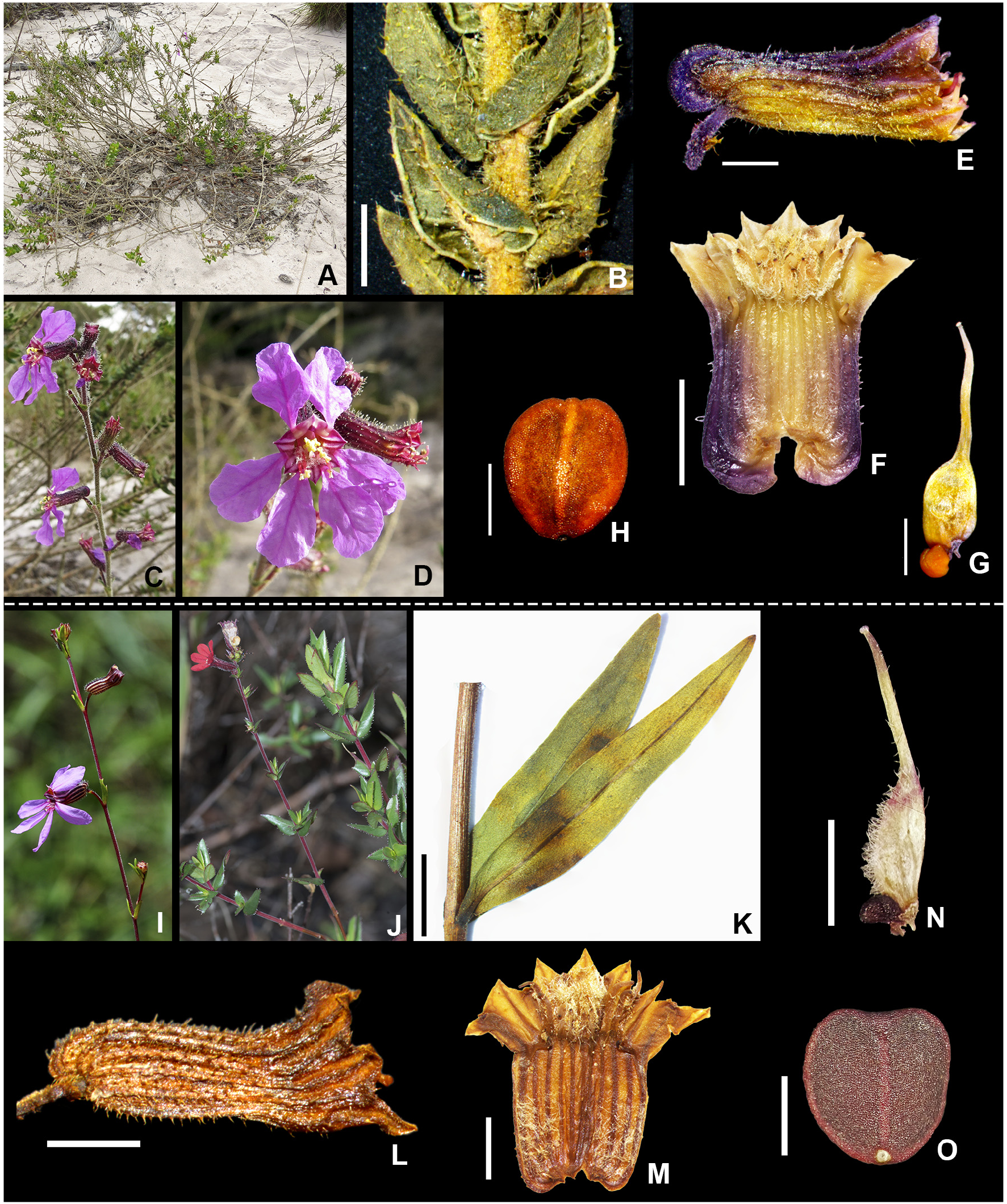
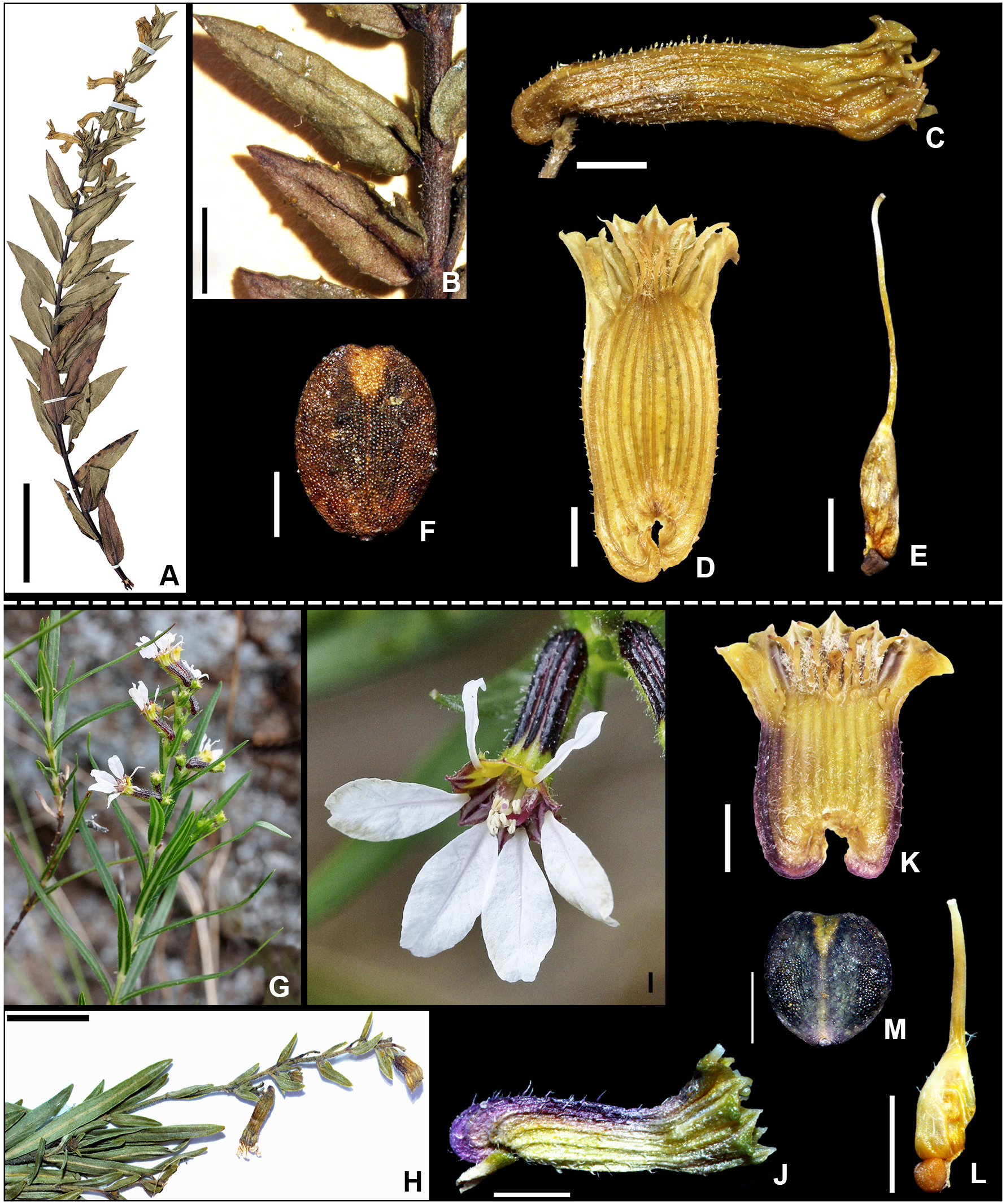
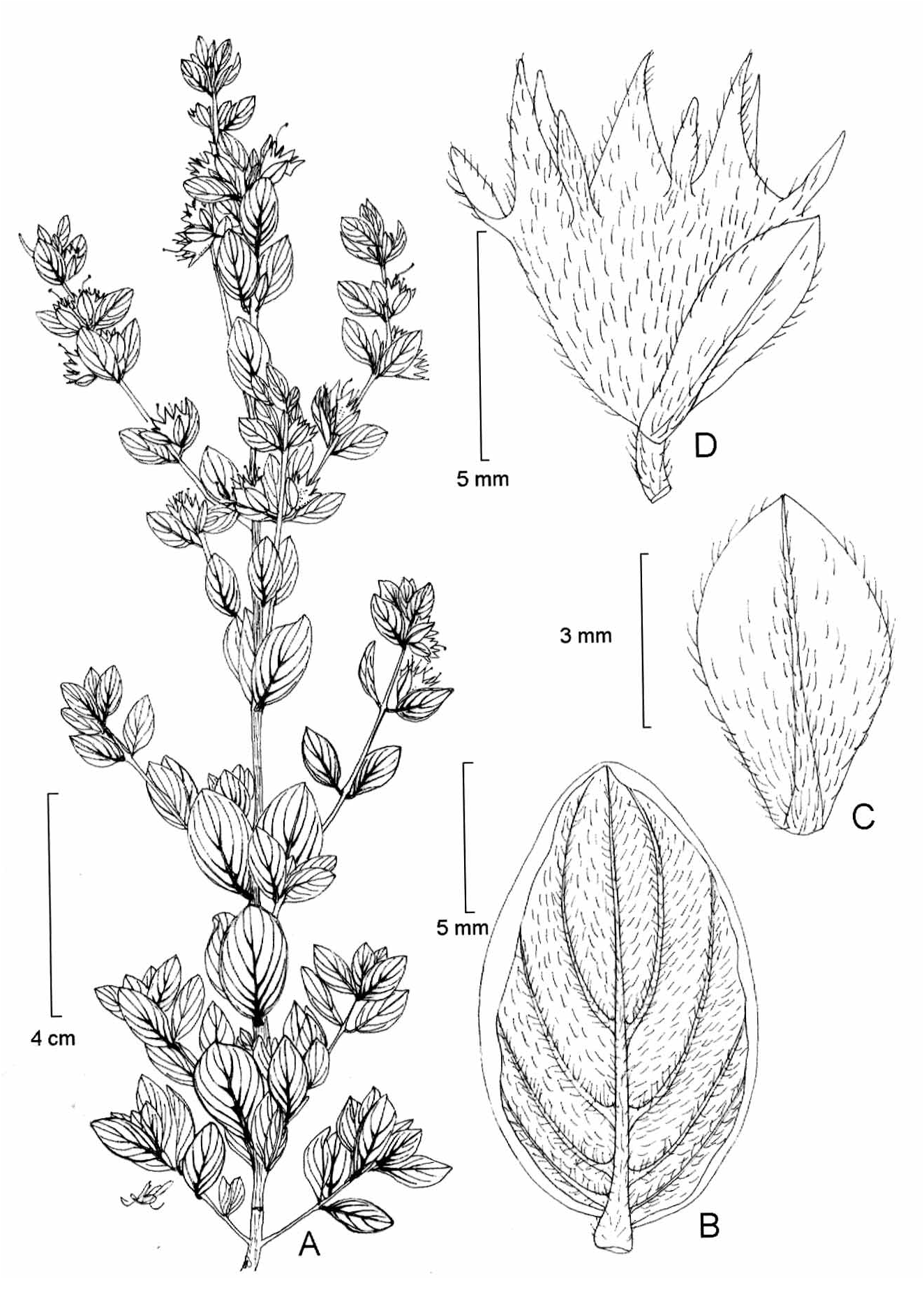
Cuphea inaequalifolia is a subshrub reaching 30–100 cm in height, with stems that are erect to decumbent. The stems are covered in a mix of hirsute, strigose, and glandular trichomes, with the latter measuring 2–4 mm in length and appearing vinaceous. The leaves are opposite, occasionally three-ranked, with narrow-ovate to oblong blades measuring 15–60 mm long and 7–15 mm wide. They are chartaceous, with subrevolute margins and a strigose to sparsely hirsute indumentum on both surfaces. The racemes are 10–15 cm long, frondose-bracteose, and bear strongly unequal bracts, with one bract in each pair significantly smaller. The flowers are light pink, with six petals and stamens that may be free in the upper or middle third of the floral tube. The pistil is positioned centrally, and the floral tube is 6–7 mm long with a deflexed, obtuse spur.
Habitat
Cuphea inaequalifolia is primarily found in grasslands and cerrados in central and western Brazil and southeastern Paraguay. These habitats are characterized by open, often seasonally dry environments, with the species flowering and fruiting from October to April. It is adapted to regions with a distinct dry season and is commonly associated with well-drained soils in savanna-like ecosystems.
Cultivation
Cuphea inaequalifolia is not widely cultivated, but it may be suitable for gardens in warm, temperate climates with well-drained soils. It prefers full sun and moderate watering, with a preference for drier conditions during the winter months. The plant's unique bract morphology and attractive pink flowers make it a potential ornamental species, though more research is needed to determine its specific horticultural requirements and adaptability to different growing conditions.
Uses
Cuphea inaequalifolia is primarily of botanical and ecological interest, with no widely reported economic or traditional uses. Its unique morphological features, particularly the unequal bract pairs, make it a valuable subject for taxonomic and phylogenetic studies. The species is also important for understanding the diversity and evolution of the Cuphea genus within the Lythraceae family.
Distribution
BR · Brazil West-Central · Paraguay