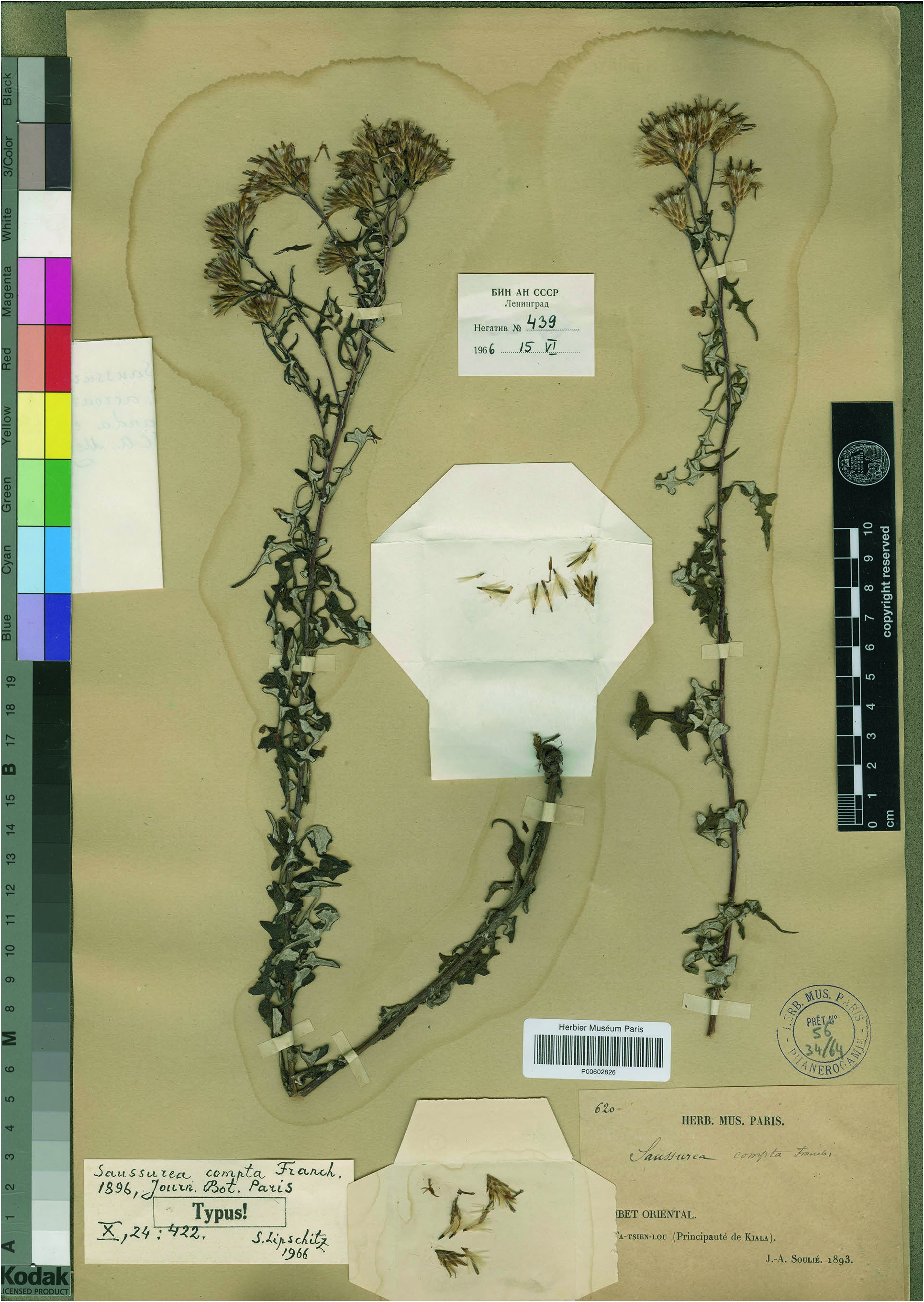
Crepis chondrilloides
Crepis chondrilloides Jacq.

Crepis chondrilloides is a perennial herb in the Asteraceae family, native to Italy, Montenegro, Croatia, Bosnia-Herzegovina, Slovenia, and Yugoslavia. It was first described in 1762 by Jacq. The plant reaches 20-55 cm in height, with tomentose flowering stems and pinnatisect rosette leaves. Its synflorescence is paniculiform or racemiform, with yellow corollas and white pappus. The achenes are fusiform, brown, and ribbed.
Description
Crepis chondrilloides is a herbaceous perennial in the Asteraceae family. It grows to a height of 20-55 cm, with erect, sulcate, and tomentose flowering stems that may be hispid or glandular. Rosette leaves are narrowly obovate, 6.0-16.0 cm long, pinnatisect, and puberulous or glabrous. Cauline leaves are similar but apically reduced to scales. The synflorescence is paniculiform or racemiform, with peduncles 1.0-13.0 cm long. Each head contains 50-75 yellow flowers, with a campanulate involucre 11.0-14.0 mm long. The receptacle is alveolate and ciliate. Achenes are 5.0-7.0 mm long, with 14-18 ribs, and a persistent, white pappus 7.0-8.5 mm long.
Distribution
Italy · Montenegro · Croatia · Bosnia-Herzegovina · Slovenia · Yugoslavia
Synonyms
Brachyderea chondrilloidesBerinia andryaloidesCrepis adonisBrachyderea chondrilloidesCrepis andryaloidesHieracioides andryaloidesWibelia chondrilloidesCrepis foeniculaceaCrepis foeniculaceaCrepis foeniculacea