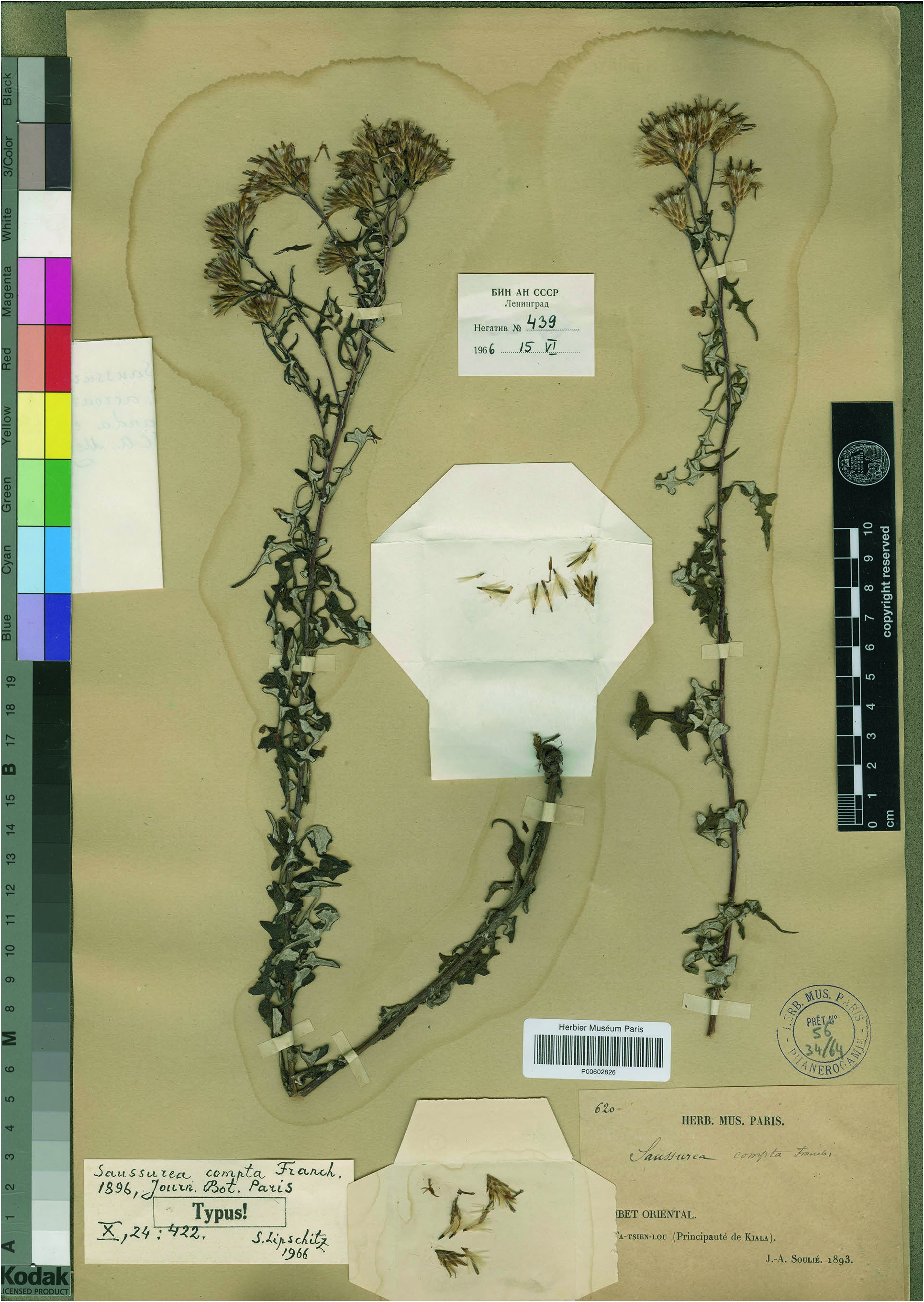
Crepidiastrum chelidoniifolium
Crepidiastrum chelidoniifolium (Makino) Pak & Kawano

Crepidiastrum chelidoniifolium is an annual herb in the Asteraceae family, native to regions in East Asia including Japan, Korea, and parts of China. It features slender stems, pinnately divided leaves, and yellow ligulate flowers blooming from August to November. The plant grows from a taproot and produces linear-lanceolate achenes with a pappus of white bristles. Chromosome number is 2n = 10.
Description
Crepidiastrum chelidoniifolium is a slender annual herb with stems 20-50 cm tall, often branched from the base. Leaves are radical and cauline, with the radical ones withering before flowering. Median cauline leaves are oblong, 3.5-11 cm long, pinnately divided with ovate segments. Upper leaves are smaller and pinnately parted. The plant produces numerous heads, 10 mm across, arranged in corymbs, with yellow ligulate flowers. Achenes are linear-lanceolate, 10-ribbed, and topped with a pappus of white capillary bristles. It is found in Jilin, Kyushu, Honshu, Shikoku, Primorye, North Korea, South Korea, Japan, and Manchuria. Flowers bloom from August to November.
Distribution
Jilin · Kyushu · Honshu · Shikoku · Primorye · North Korea · South Korea · Japan · Korea · Manchuria
Synonyms
Paraixeris chelidoniifoliaParaixeris saxatilisIxeris saxatilisYoungia chelidoniifoliaLactuca chelidoniifoliaIxeris saxatilisIxeris chelidoniifoliaLactuca senecioLactuca saxatilis