creeping sensitive-plant
Mimosa invisa Mart. ex Colla

Mimosa invisa is a leguminous woody vine or shrub native to South America, known for its invasive and noxious nature in many regions, including parts of the United States. It is distinguished by its climbing habit, glabrous and aculeate branches, and pink inflorescences. The species is divided into two subspecies, each with two varieties, and is characterized by its bipinnate leaves, actinomorphic flowers, and linear craspedium fruits. It is the only vine in the Mimosa genus, setting it apart from other species in the genus that typically have an arboreal habit.
Description
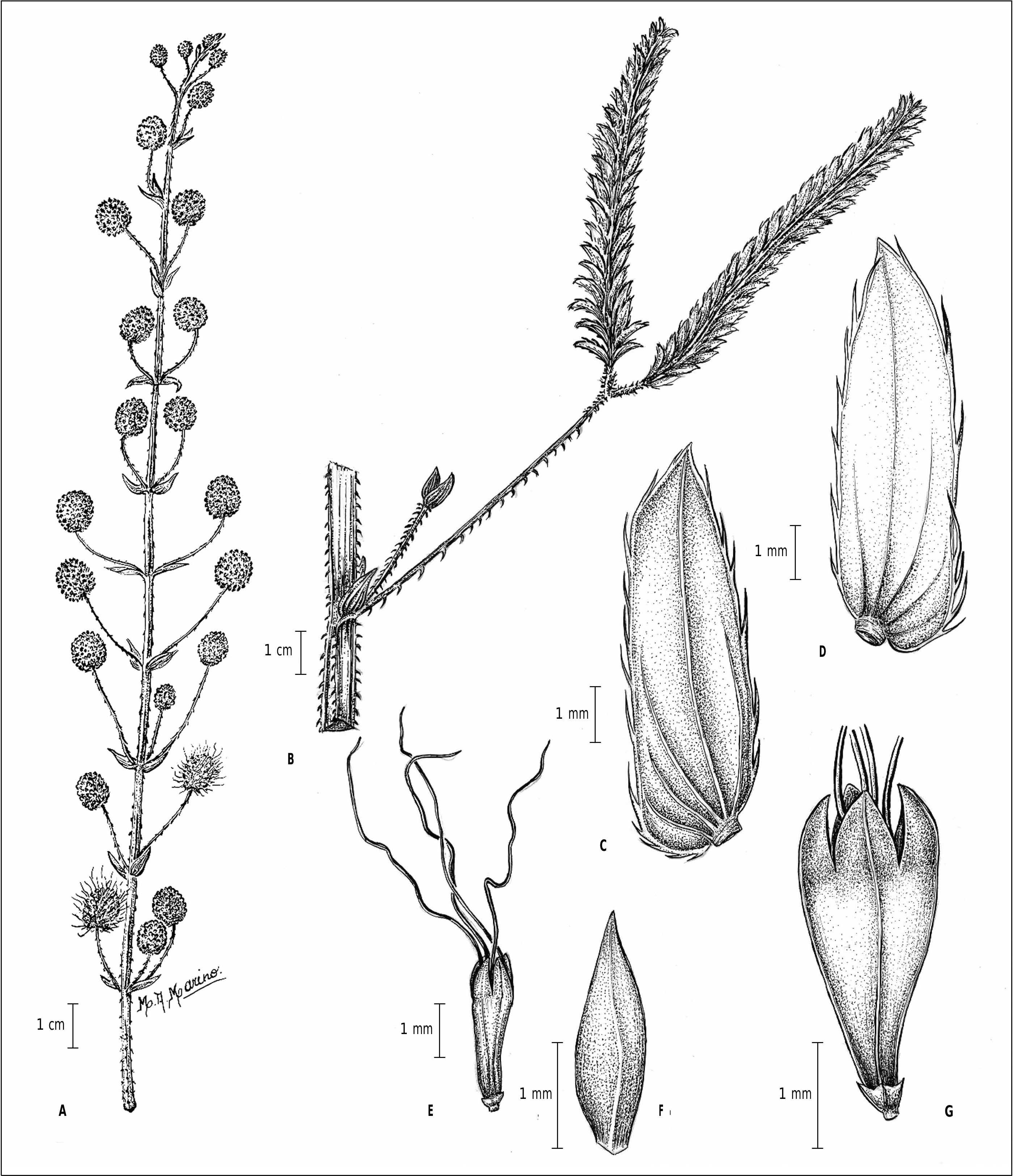
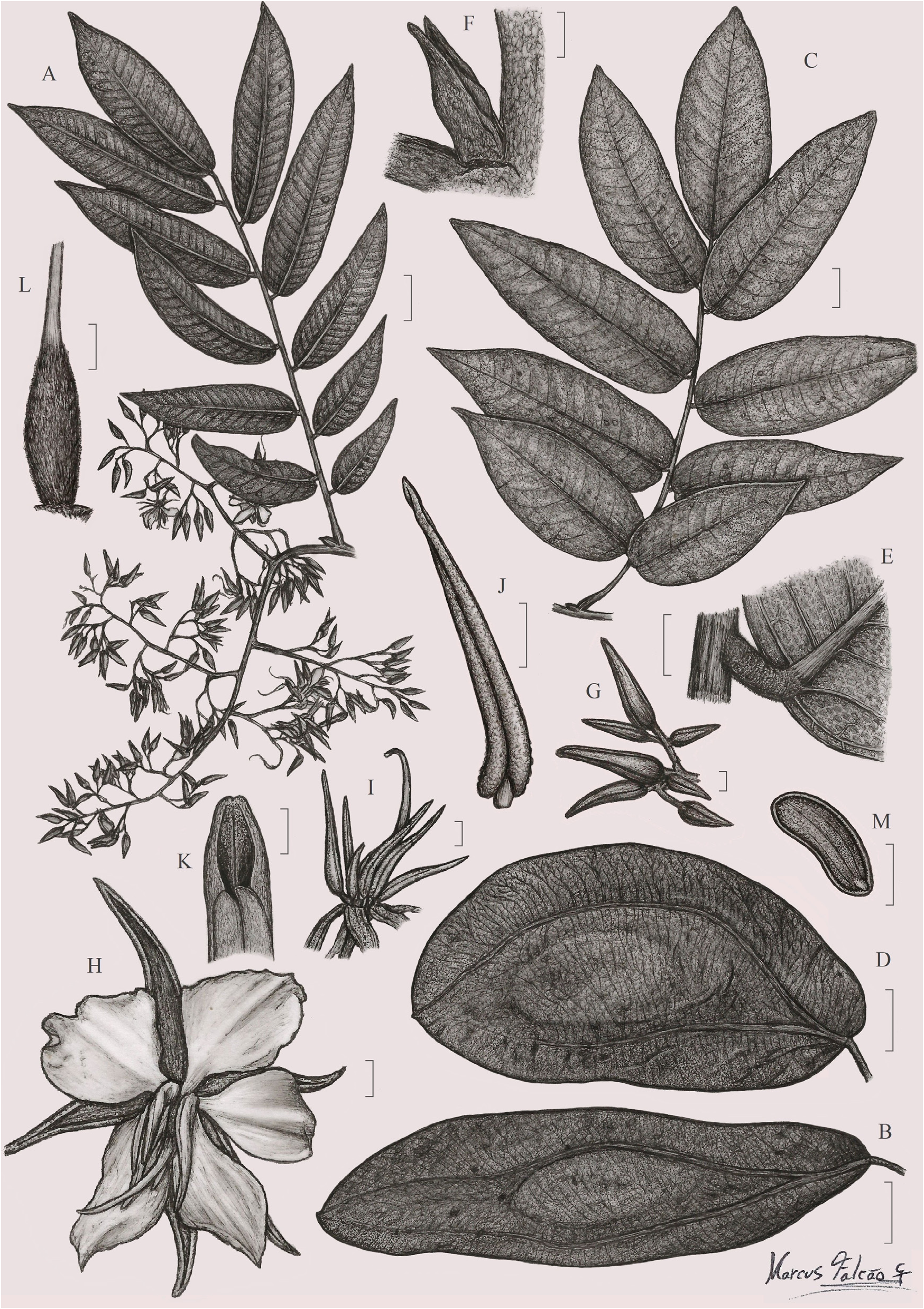
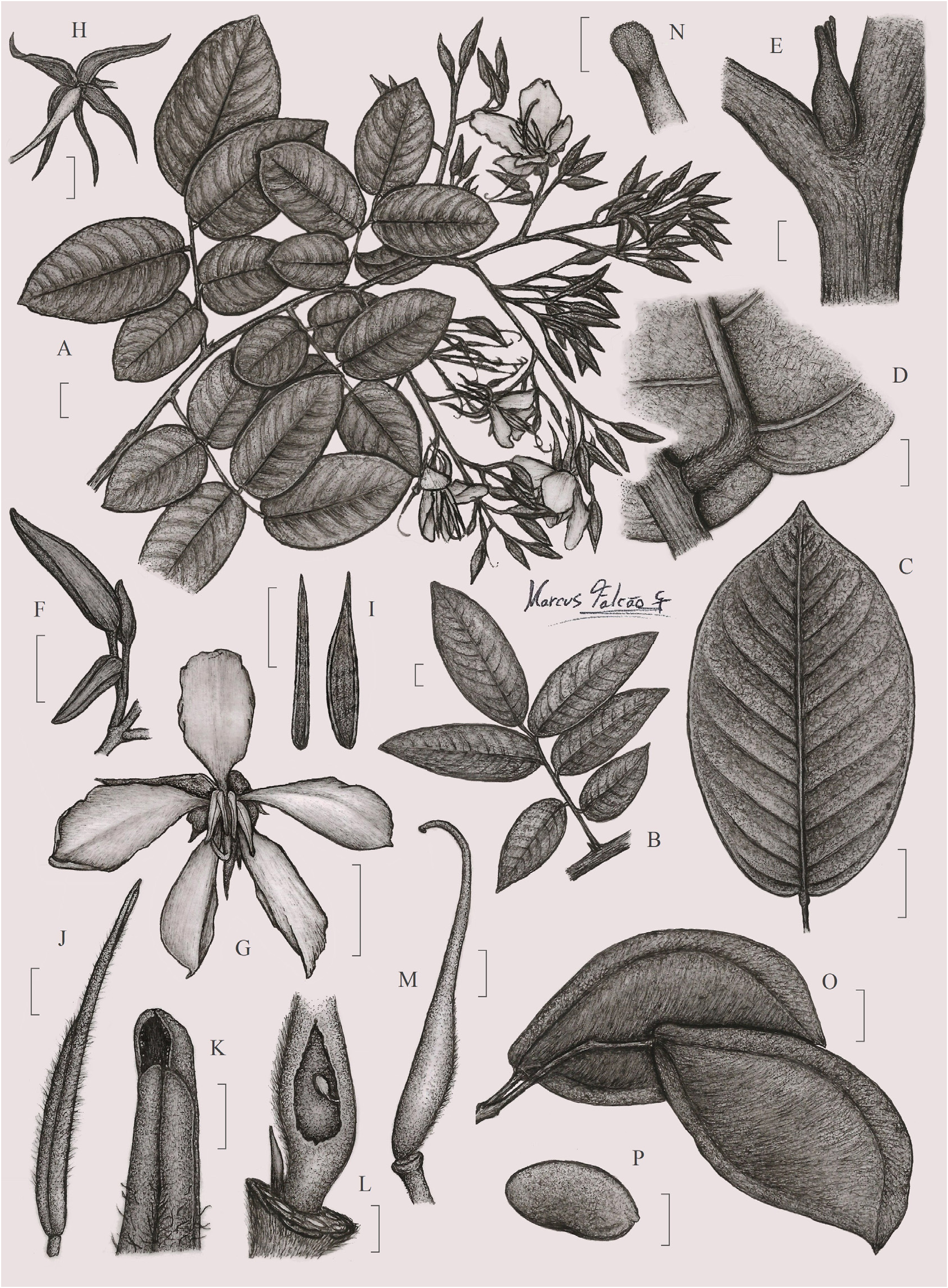
Mimosa invisa is a climbing plant with glabrous, aculeate branches and no nectaries. Its leaves are bipinnate and paripinnate, with 8 leaflets arranged oppositely. The leaflets are oblong in shape and exhibit actinodromous venation. The plant produces axillary spike inflorescences with sessile, actinomorphic flowers. Each flower has a gamosepalous calyx with four sepals and a gamopetalous, tubular corolla with four rose-colored petals. The androecium is dialystaminous and homodinamous, with anthers dehiscing longitudinally. The superior ovary is sessile and pluriovulate. The fruit is a linear, sessile craspedium with a straight margin, a pilose epicarp, and brown coloration. The seeds are obovate, plane, with a brown coat and a basal hilum.
Habitat
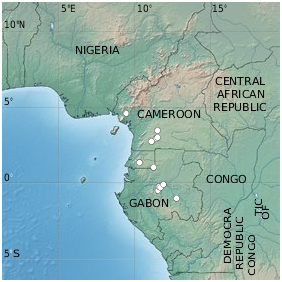
Mimosa invisa is native to South America, with a distribution that includes Brazil, Paraguay, and northern regions of the continent. It is found in a range of habitats, from the semi-arid regions of Brazil to more humid environments. The plant is particularly invasive in disturbed areas and can form dense thickets, outcompeting native vegetation. It has been reported in conservation units and is a concern in the semi-arid region of Paraíba, Brazil, where it can dominate the understory of vegetation.
Cultivation
Mimosa invisa is not typically cultivated for ornamental or agricultural purposes due to its invasive nature. However, it can establish itself readily in disturbed soils and along roadsides, where it spreads aggressively. Its ability to climb and form dense mats makes it a problematic species in managed landscapes. Control measures often include mechanical removal, herbicides, and biological control agents, though eradication is challenging due to its prolific seed production and persistent seed bank.
Uses
Mimosa invisa is not known for any significant economic or traditional uses. Instead, it is primarily recognized as a noxious weed and invasive species. In many regions, it is considered a threat to native ecosystems and agricultural systems due to its rapid growth and ability to form dense, impenetrable thickets. The plant's leguminous nature suggests it may have the potential to fix nitrogen, but this has not been widely studied or utilized in agricultural contexts.
Other common names
creeping sensitive-plantgiant sensitive-plant
Distribution
BR · LK · BI · Barrancabermeja · CN · TG · CI · Antioquia, Norte de Santander · Cuenca de Río Claro · the Democratic Republic of the Congo · LA · Andaman Is. · Assam · Benin · Brazil Northeast · Brazil North · Brazil Southeast · Brazil South · Brazil West-Central · Burundi · Cambodia · Cameroon · Caroline Is. · Central African Repu · Christmas I. · Colombia · Congo · El Salvador · Ethiopia · Gabon
Synonyms
Mimosa invisa var. invisa