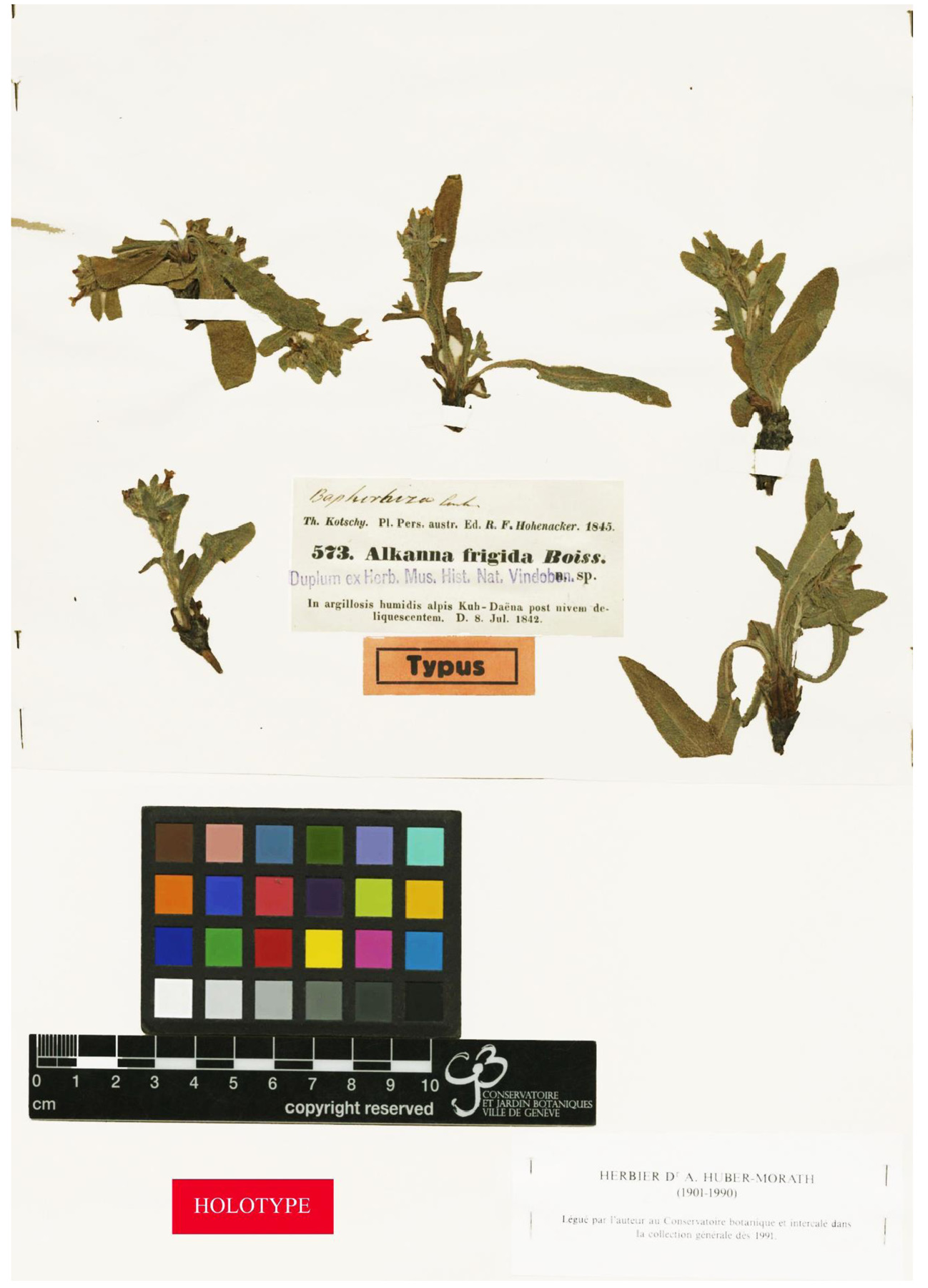
creeping comfrey
Symphytum grandiflorum DC.

Symphytum grandiflorum, known as creeping comfrey, is a perennial flowering plant in the Boraginaceae family. Native to the Caucasus region, it has been introduced to parts of Europe, where it often escapes from gardens. Hardy in USDA zones 5 to 8, it is suitable for borders and shady areas. Cultivars and hybrids, such as Hidcote comfrey, are available commercially.
Description
Symphytum grandiflorum is a hardy perennial flowering plant in the Boraginaceae family. It is native to the Caucasus region and has been introduced to several European countries, including Belgium, the United Kingdom, and the Czechoslovakian region. The plant is known for its ability to thrive in USDA zones 5 through 8 and is often used in garden borders and shaded areas. It is deer-tolerant and has been cultivated for ornamental purposes. The species has been crossed with Russian comfrey to produce the hybrid Hidcote comfrey, which includes a range of ornamental cultivars. The plant was first described in 1846 and is commonly referred to as creeping comfrey in English.
Other common names
creeping comfreyrunning comfrey
Distribution
IE · Belgium · Flemish Region · GB · SE · DK · Brussels-Capital Region · Walloon Region · Czechoslovakia · Ireland · North Caucasus · Transcaucasus
Synonyms
Symphytum ciscaucasiumSymphytum abchasicumSymphytum ibericum var. abchasicum