Crab Apple
Malus sylvestris (L.) Mill.

Malus sylvestris, commonly known as the European crab apple, is a wild apple species native to western Eurasia. It is a member of the Rosaceae family and is characterized by its small tree or shrub form, reaching heights of 4 to 10 meters. The species is known for its ornamental and ecological value, as well as its role in the development of cultivated apple varieties.
Description
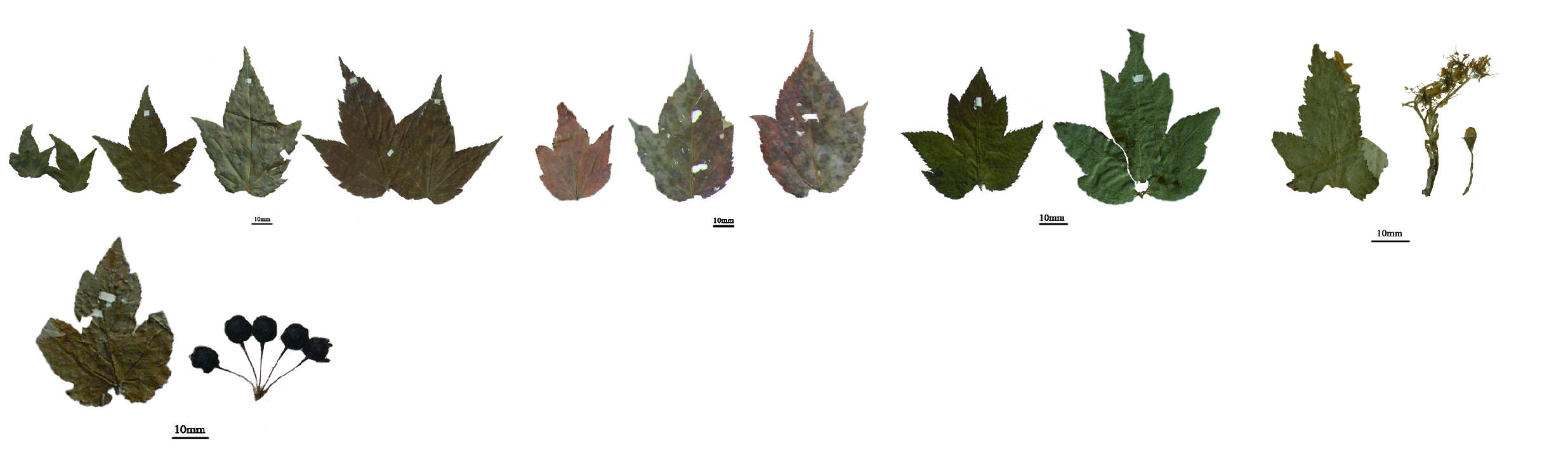
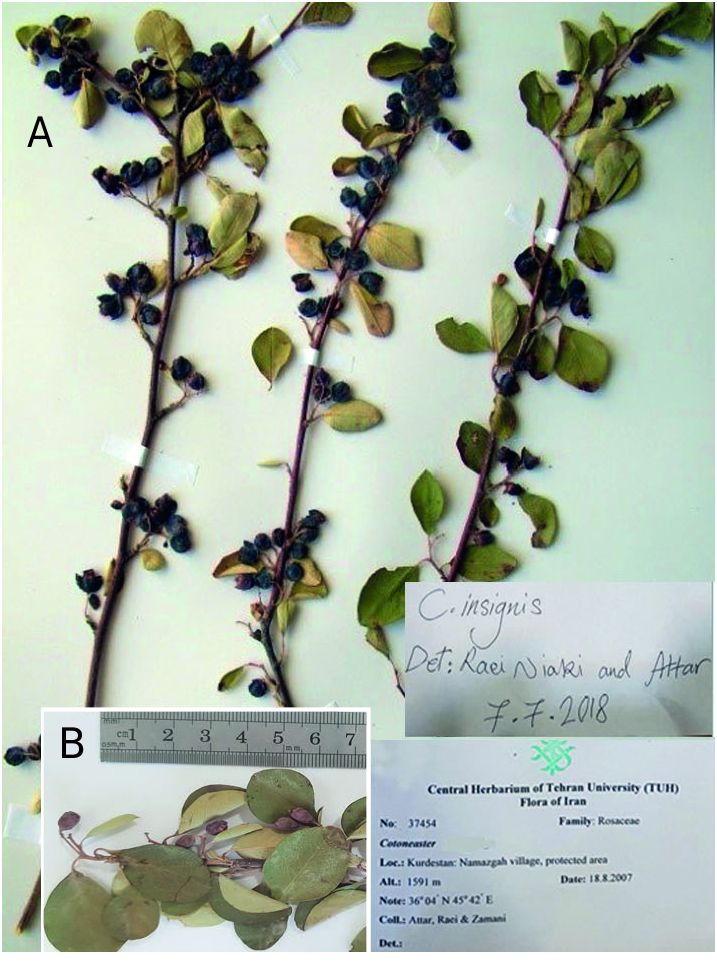
Malus sylvestris is a deciduous tree or shrub that typically grows to a height of 4 to 10 meters, with some specimens reaching up to 13 meters. The branches are terete and may be puberulous or glabrous when young. The leaves are petiolate, with a petiole approximately 2.5 cm long, and the lamina is oval to orbicular, measuring about 6.5 × 4.3 cm. The leaf base is rounded or rarely cuneate, and the apex is usually acute, though it can be obtuse or retuse. The leaf margin is crenate to serrulate, and the blade is glabrous. The inflorescence is umbellate, bearing 2 to 5 flowers on a pedicel about 1.9 cm long, which is puberulous at the base. The hypanthium is either puberulous or glabrous. The sepals are triangular, with a glabrous abaxial surface and a puberulous adaxial surface, and they are persistent. The petals are approximately 1.3 × 0.8 cm in size, white or pink, and rarely red or mauve, with an obovate shape. The stamens number around 20, are unequal in length, and yellow in color. The styles are five in number, longer than the stamens, and glabrous. The fruit is a pome, about 20 g in weight and 2.0 to 3.5 cm in diameter, subglobose in shape, and yellow in color. The carpopodium is approximately 1.8 cm long and glabrous. Chromosome numbers for this species are 2n = 34 or 51.
Habitat
Malus sylvestris is a terrestrial plant that thrives in seasonally green environments. It is commonly found at the edges of mixed forests or broad-leaf forests, particularly on south-facing slopes and floodplains. This species is adapted to a range of temperate climates and is often associated with open woodlands and disturbed areas.
Cultivation
The European crab apple is relatively easy to cultivate and is often grown for its ornamental value, particularly in gardens and parks. It prefers well-drained soils and full sun to partial shade. The species is hardy and can tolerate a range of soil types, making it suitable for a variety of growing conditions. It is also resistant to many pests and diseases that affect cultivated apple trees. Propagation is typically done through seeds or vegetative methods such as grafting.
Uses
Malus sylvestris has several uses, both ecological and practical. It is an important species for wildlife, providing food for birds and mammals through its fruit. The fruit is also used in culinary applications, particularly in the production of jams, jellies, and cider. The tree is valued for its ornamental qualities, with its attractive flowers and colorful fruit making it a popular choice for landscaping. Additionally, the European crab apple is an important genetic resource for apple breeding programs, contributing to the development of new apple cultivars with improved traits such as disease resistance and flavor.
Other common names
Crab AppleEuropean Crab AppleEuropean CrabappleEuropean Wild ApplePommier Sauvage
Distribution
Portugal Continental · NO · DK · FI · SE · IE · YE · Flanders · AR · Malta · Ukraine · IN · Socotra Archipelago · Jonsdal · Ullensvang · Hole · Kråkerøy · Norway · BR · Global · Vermont-US · Belgium · Brussels-Capital Region · Flemish Region · Walloon Region · Albania · Argentina South · Austria · Baltic States · Bulgaria
Synonyms
Pyrus malus var. sylvestrisPyrus acerbaMalus communis subsp. sylvestrisPyrus sylvestrisMalus acertaPyrus pomumMalus communis var. sylvestrisPyrus malus subsp. sylvestris