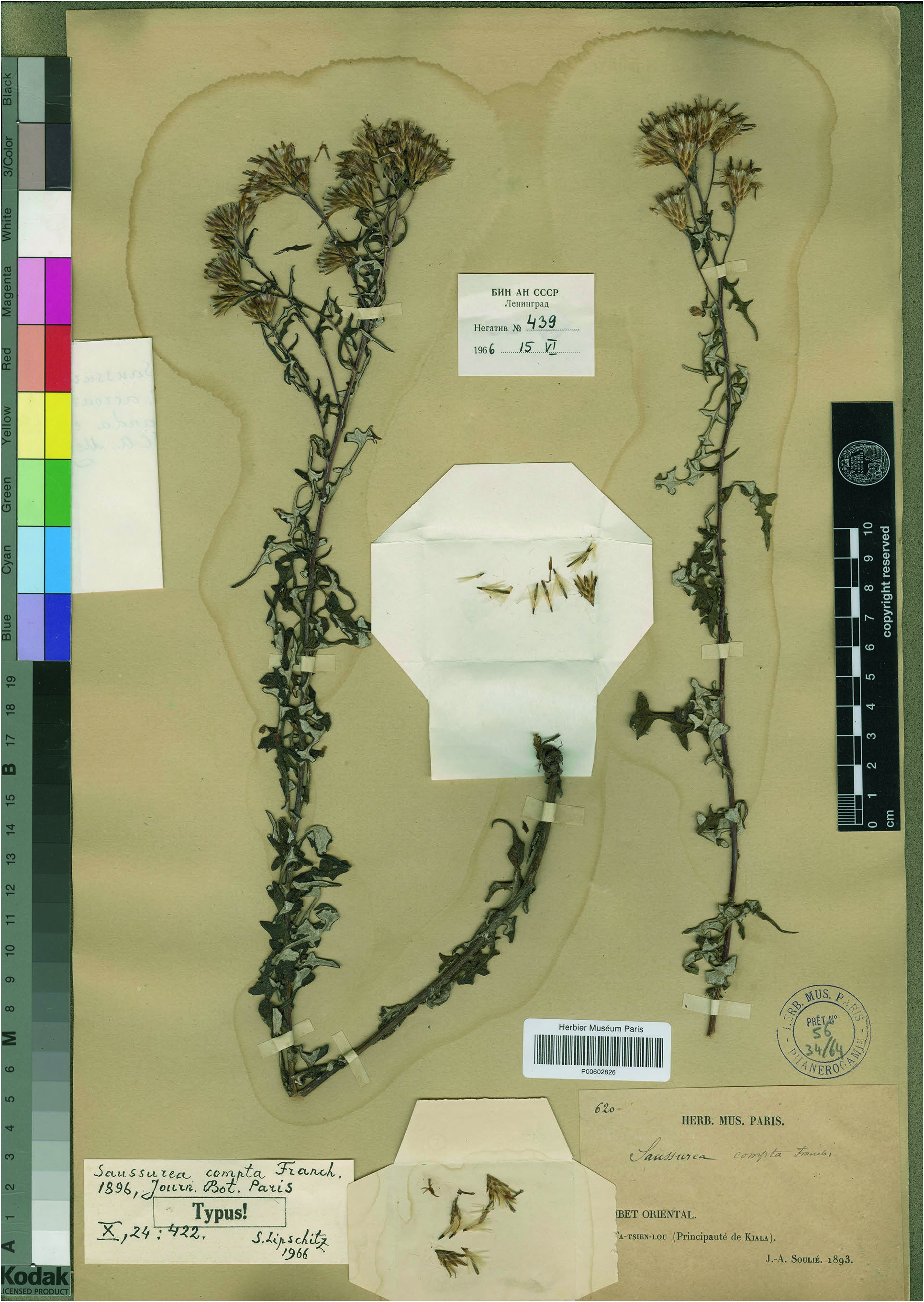
Corn Sow Thistle
Sonchus arvensis L.

Sonchus arvensis, commonly known as Corn Sow Thistle, is a perennial flowering plant belonging to the Asteraceae family. It is native to Europe and Asia but has been introduced to many other regions, including North America and parts of Australia. This species is notable for its robust growth, deep rhizomes, and bright yellow flowers. It is often found in agricultural fields, where it can become a problematic weed due to its competitive nature and ability to reduce crop yields. The plant has a long history of use in traditional medicine and is also of interest for its ecological and botanical characteristics.
Description
Sonchus arvensis is a perennial herb with a deep, branched rhizome system that allows it to persist and spread over time. The stems are typically 40 to 150 cm tall and may have a glaucous (bluish-green) appearance. The leaves are variable in shape, with the basal and lower stem leaves being 6 to 40 cm long and often deeply lobed with stiff, short prickles along the margins. The upper stem leaves are smaller and may be less lobed or even toothed. The inflorescence branches are either glabrous or sparsely to moderately covered in gland-tipped hairs, with flowering heads that measure 2.5 to 4.5 cm in diameter. The corollas are bright yellow to orangish yellow and measure 12 to 25 mm in length. The involucre is 10 to 22 mm long and may have a central band of spreading, gland-tipped hairs. The pappus is 8 to 14 mm long, and the fruits are 2.5 to 3.5 mm long, with 5 to 8 ribs on each face and a reddish brown to dark brown coloration. The plant is diploid with chromosome numbers of 2n=36 or 54.
Habitat
Sonchus arvensis is commonly found in a wide range of habitats, including agricultural fields, roadsides, pastures, and disturbed areas. It thrives in well-drained soils and is often associated with annual crop fields, where it can become a problematic weed. The plant is adaptable and can grow in both full sun and partial shade, although it prefers open, sunny environments. It is found in many regions across the globe, including North America, Europe, Asia, and parts of Australia. In North America, it is present in states such as Michigan, Missouri, Oregon, Connecticut, Iowa, and Yukon, as well as in Canadian provinces like New Brunswick. It is also found in European countries such as Belgium, Sweden, and Austria, as well as in Mediterranean regions like Greece, Cyprus, and Turkey. The plant is often associated with disturbed soils and can quickly colonize areas after cultivation or other disturbances.
Cultivation
Sonchus arvensis is not typically cultivated for ornamental or agricultural purposes, as it is considered a weed in many agricultural systems. However, it can be grown in controlled environments for research or study. The plant is relatively easy to propagate from seeds or rhizome cuttings. It prefers well-drained soils and full sun, although it can tolerate partial shade. The plant is drought-tolerant and can survive in a variety of soil types, including sandy, loamy, and clay soils. Due to its deep rhizome system, it can be difficult to eradicate once established. In agricultural settings, it is often controlled through mechanical means, such as plowing or mowing, or through the use of herbicides. The plant can also be managed through crop rotation and other cultural practices that reduce its competitive advantage.
Uses
Sonchus arvensis has been used in traditional medicine for a variety of purposes. The leaves and roots have been used to treat digestive disorders, skin conditions, and respiratory ailments. The plant is also known for its high nutritional content, particularly in terms of vitamins and minerals. In some regions, the young leaves are consumed as a vegetable, either raw in salads or cooked in soups and stews. The plant has also been used as a source of forage for livestock, although it is not typically a preferred food due to its prickly leaves. In addition to its medicinal and culinary uses, the plant has been studied for its potential in phytoremediation, as it can accumulate heavy metals from contaminated soils. The plant's ability to grow in disturbed soils and its deep root system make it a potential candidate for soil stabilization and erosion control in certain environments.
History
Sonchus arvensis has a long history of use in traditional medicine and agriculture. The plant has been known and utilized for centuries in various parts of Europe and Asia. It was first described by Carl Linnaeus in 1753 in his seminal work 'Species Plantarum,' where he classified it under the genus Sonchus. The genus name 'Sonchus' is derived from the Greek word 'sonchos,' which refers to a type of thistle. The specific epithet 'arvensis' is derived from the Latin word 'arvensis,' meaning 'of the field,' which reflects the plant's common occurrence in agricultural fields. Over time, the plant has been introduced to many other regions, where it has become naturalized and, in some cases, invasive. The plant's ability to thrive in disturbed soils and its competitive nature have made it a common weed in many agricultural systems. Despite its status as a weed, the plant has been the subject of various studies due to its potential uses in medicine, agriculture, and environmental remediation.
Curiosities
One of the most interesting aspects of Sonchus arvensis is its ability to produce a milky latex, which is a characteristic shared by many members of the Asteraceae family. This latex can cause skin irritation in some individuals and is thought to serve as a defense mechanism against herbivores. Another curiosity is the plant's deep rhizome system, which allows it to persist for many years and resprout after disturbances such as mowing or plowing. The plant is also notable for its ability to hybridize with other species in the genus Sonchus, which can lead to the formation of new, hybrid species. In some regions, the plant is known by a variety of common names, including 'dindle,' 'gutweed,' 'swine thistle,' and 'tree sow thistle,' reflecting its widespread distribution and historical use. The plant's bright yellow flowers and distinctive leaf morphology make it easily recognizable in the field, even to those with little botanical knowledge.
Other common names
Field sowthistlePerennial Sow-thistlecorn sow-thistlePerennial sow thistleCorn Sow ThistleCreeping SowthistleField Sow ThistleField Sow-ThistlePerennial SowthistleSowthistle
Distribution
Michigan · Missouri · Belgium · Oregon · Connecticut · Greece · Croatia · Austria · Romania · New Brunswick · Bulgaria · Yukon · Sweden · Føroyar · Ireland · Iowa · South Australia · Cyprus · Turkey · Slovenia · Hunan · Malta · Kentucky · Krym · Louisiana · Slovakia · Adzhariya · Luxembourg · Finland · Utah
Synonyms
Sonchoseris decoraSonchus pratensisSonchus arvensis f. arvensisSonchus vulgaris subsp. vulgarisSonchus glandulosusSonchus hantoniensisSonchus hispidusSonchus repensSonchoseris arvensisSonchus arvensis var. shumovichiiSonchus vulgaris subsp. arvensisSonchus arvensis var. tenggerensisSonchus arvensis var. arvensisSonchus vulgarisSonchus exaltatusSonchus nitidusSonchus arvensis var. eglandulosusSonchus arvensis var. nanusSonchus arvensis var. integrifoliusSonchus arvensis var. pseudouliginosusSonchus arvensis var. glandulosusSonchus vulgaris var. marinusSonchus arvensis var. minorSonchus arvensis var. integrifoliusSonchus arvensis var. intermediusSonchus vulgaris var. ripariusSonchus arvensis var. majorSonchus arvensis var. comosus