coral-beadplant
Abrus precatorius L.

Abrus precatorius, known as coral-beadplant, is a perennial climbing herb in the Fabaceae family. It is native to tropical regions and is characterized by its slender, twining stems and pinnate leaves. The plant is commonly found in wooded savannahs, open forests, and thickets. It is used for medicinal and ritual purposes and is known for its distinctive red and black seeds, which are often used in jewelry and crafts. The plant has a wide distribution across various regions, including parts of South America, Africa, and Asia.
Description
Abrus precatorius is a perennial climbing herb with slender, twining stems and pinnate leaves. It produces small, inconspicuous flowers and is known for its bright red and black seeds, which are often used in jewelry and crafts. The plant is commonly found in wooded savannahs, open forests, and thickets. It is used for medicinal and ritual purposes in various cultures. The plant is known by several common names, including jequirity bean and rosary pea.
Habitat
Abrus precatorius is typically found in wooded savannahs, open forests, and thickets. It thrives in tropical and subtropical climates and is often seen climbing on trees, shrubs, and hedges. The plant is adapted to a variety of soil types and can be found in both moist and dry environments. It is commonly found in regions with a warm and humid climate, where it can grow and spread rapidly.
Cultivation
Abrus precatorius is relatively easy to cultivate in warm, tropical climates. It requires well-drained soil and a sunny location. The plant is a vigorous climber and benefits from a support structure such as a trellis or fence. It can be propagated from seeds, which should be soaked overnight before planting to improve germination rates. The plant is drought-tolerant once established and does not require frequent watering. However, it is important to note that the plant is toxic and should be handled with care.
Uses
Abrus precatorius has a variety of uses, including medicinal, ritual, and decorative purposes. The seeds are commonly used in jewelry and crafts due to their bright red and black coloration. In traditional medicine, various parts of the plant are used to treat a range of ailments, including skin conditions and digestive issues. The plant is also used in rituals and ceremonies in some cultures. However, it is important to note that the plant is toxic and should be used with caution.
Other common names
RosarypeaIndian-licoriceIndian-liquoricecoral-beadplantgidee-gideelicorice-vineminnie-minniesrosary-peacrab's-eyelove-beanlucky-beanprayer-beadsprecatoryprecatory-beanred-beadvine
Distribution
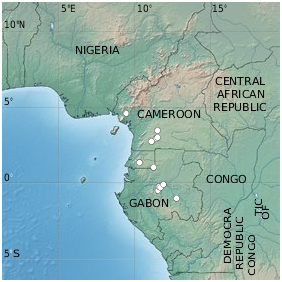
Atlántico: Finca El Palomar, Bolívar: Hacienda El Ceibal · Antioquia, Atlántico, Bolívar, Cundinamarca, Magdalena, San Andrés y Providencia, Santander, Tolima, Valle del Cauca · BR · Subregiones: Enclaves subxerofíticos · Piojó · Reserva Nacional Natural Puinawai Vía Parque Isla de Salamanca · TW · LC · CU · CK · CW · NU · AS · Pitcairn Islands · PW · Saint Barthelemy · DZ · VC · MX · KY · FM · JM · SG · Aratoca | Barichara | Capitanejo | Cepitá | Enciso | Piedecuesta | San José de Miranda | Villanueva · SR · AG · BB · GY · MG · PG