Common Tumbleweed
Amaranthus albus L.

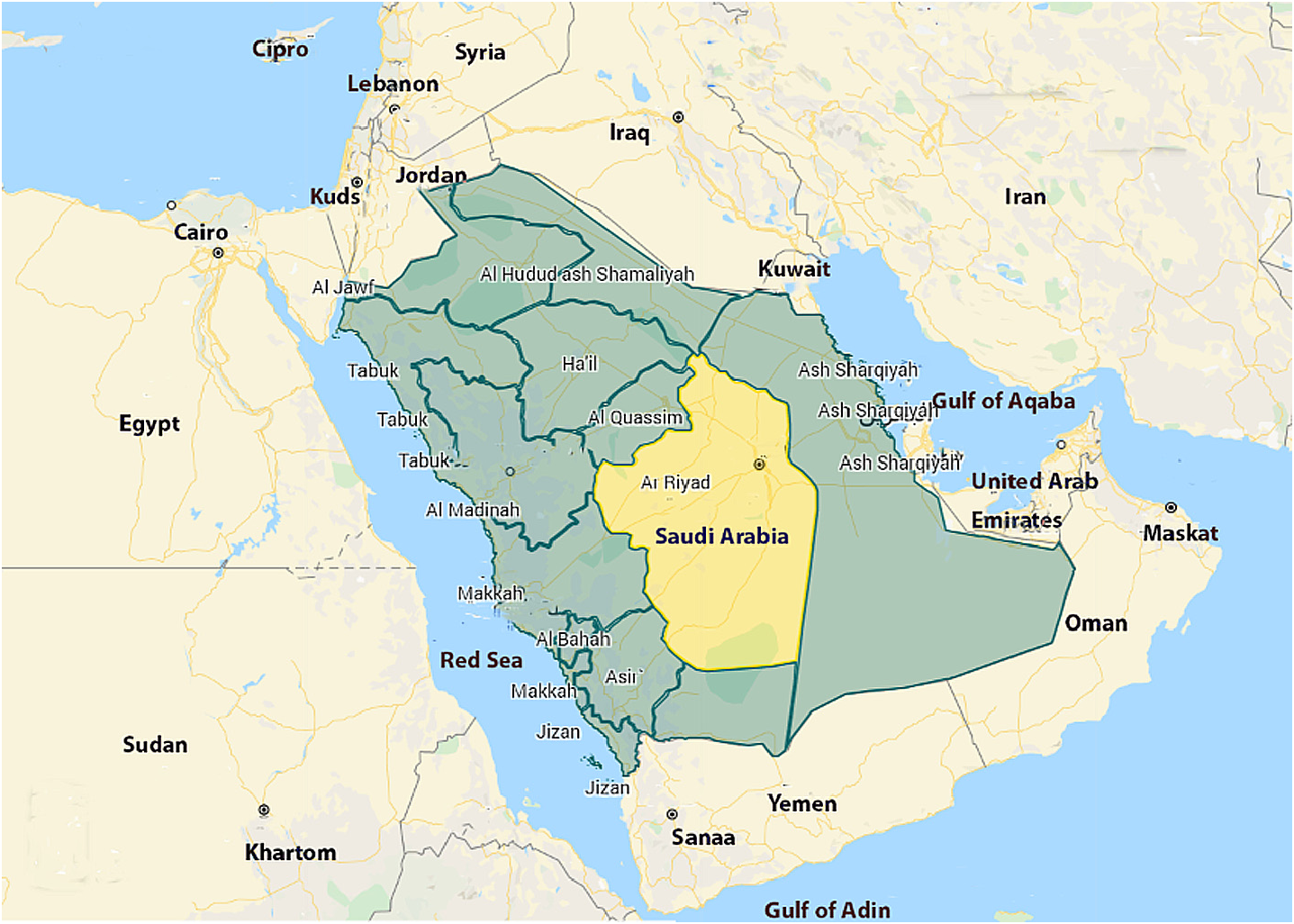
Amaranthus albus, commonly known as Common Tumbleweed, is an annual flowering plant native to the Americas. It belongs to the Amaranthaceae family and is widely distributed across North America and has been introduced to various regions in Europe, Asia, and Africa. The plant is known for its ability to form loose, spherical clusters that can roll across the ground in the wind, aiding in seed dispersal. It is considered an invasive species in some regions, including Saudi Arabia.
Description
Amaranthus albus is a herbaceous annual plant that can grow up to 120 dm in height. It is monoecious, with separate male and female flowers on the same plant. The stems are typically erect, white to white-green in color, and highly branched. The leaves are green, usually pale green, with undulate margins and a white marginal vein. They are ovate to spathulate in shape and glabrous, with a cuneate base and obtuse, mucronate apex. The plant produces small, light green synflorescences in axillary glomerules, with greenish, ovate-lanceolate floral bracts. The staminate flowers have three lanceolate tepals and three stamens, while the pistillate flowers have three linear to lanceolate tepals and three stigmas. The fruit is ellipsoidal, brownish-black, and rugose when dry, with lenticular, black to brownish-black seeds.
Habitat
Amaranthus albus is commonly found in human-made habitats, such as disturbed areas, roadsides, and agricultural fields. It thrives in a variety of environments and is often seen in arid and semi-arid regions. In Saudi Arabia, it has been recorded at elevations of around 300 meters above sea level. The plant is well-adapted to disturbed soils and can quickly colonize open spaces, making it a successful invader in new regions.
Cultivation
Amaranthus albus is not typically cultivated for agricultural purposes due to its invasive nature. However, it can be found growing in cultivated fields and along roadsides, where it may compete with crops for resources. The plant is an annual and can complete its life cycle within a single growing season. It is relatively easy to grow in well-drained soils and can tolerate a wide range of environmental conditions. Due to its rapid growth and prolific seed production, it can become a problematic weed in agricultural settings.
Uses
Amaranthus albus is not commonly used for food or medicinal purposes. However, it has been studied for its potential as a source of bioactive compounds. In some regions, it is considered a noxious weed due to its ability to reduce crop yields and interfere with agricultural operations. The plant's unique morphology and dispersal mechanism make it an interesting subject for ecological studies. Additionally, it has been used in botanical illustrations and taxonomic research to better understand the diversity within the Amaranthaceae family.
Other common names
Prostrate pigweedCommon TumbleweedPigweedPigweed AmaranthStiff TumbleweedTumble PigweedTumbleweedTumbleweed AmaranthWhite AmaranthWhite Amaranth, White PigweedWhite Pigweed
Distribution
Newfoundland · Alberta · British Columbia · Manitoba · New Brunswick · Nova Scotia · Ontario · Prince Edward Island · Quebec · Saskatchewan · Portugal Continental · TR · RU · CL · HR · IE · SA · Belgium · Brussels-Capital Region · Flemish Region · Walloon Region · CY · DZ · GB · IT · PT · MX · DK · UZ · KG
Synonyms
Amaranthus albus var. monosepalusAmaranthus albus var. parviflorusAmaranthus albus var. puberulusAmaranthus albus var. pubescensAmaranthus albus var. rubicundusAmaranthus gracilentusAmaranthus graecizansAmaranthus graecizans var. pubescensAmaranthus littoralisAmaranthus pubescensGalliaria albidaGlomeraria albaAmaranthus albus var. albus