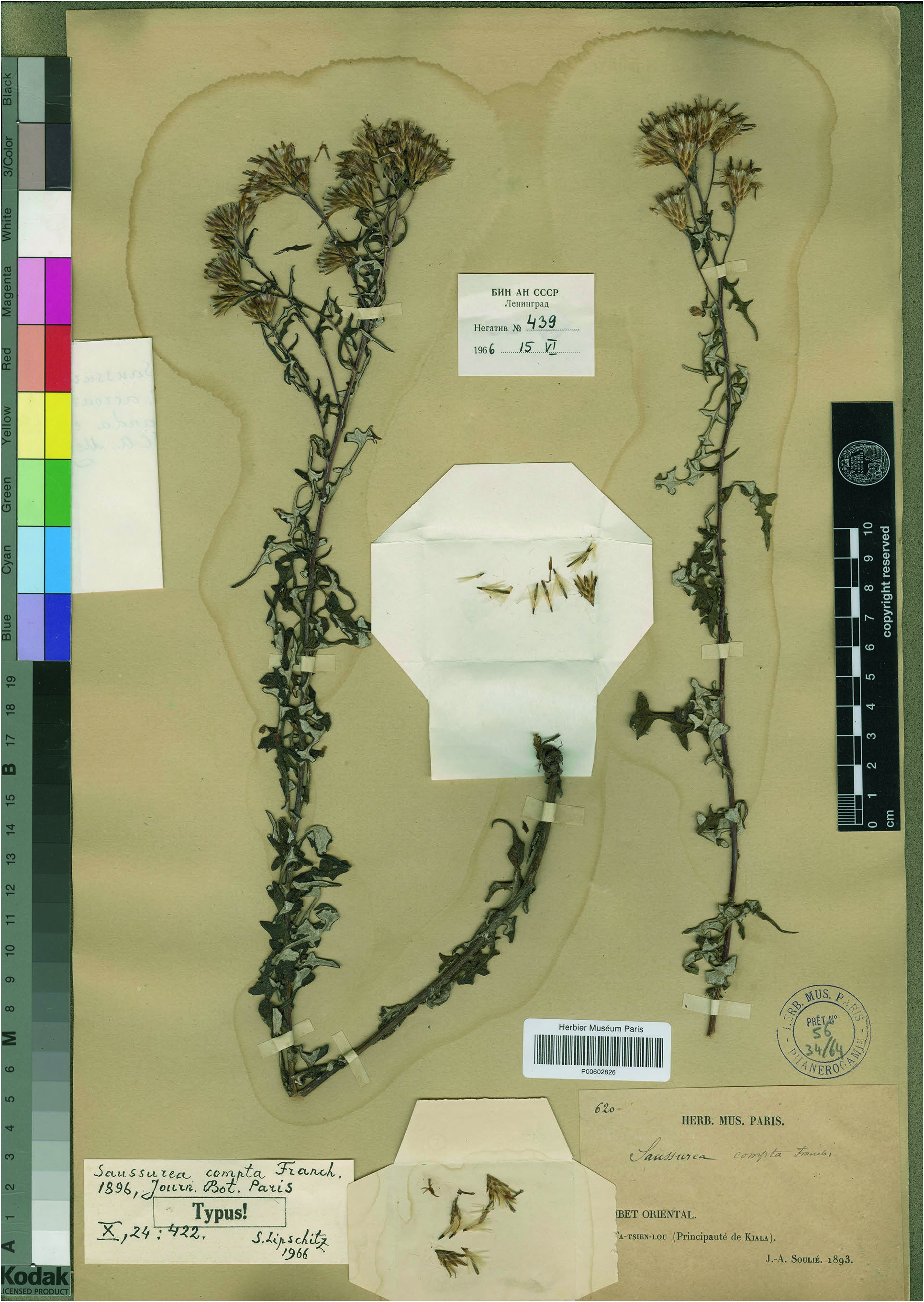
Common Tansy
Tanacetum vulgare L.

Tanacetum vulgare, commonly known as Common Tansy, is a perennial herb in the Asteraceae family. Native to temperate regions of Europe and Asia, it has been widely introduced and naturalized in North America, where it is often considered invasive. The plant is known for its aromatic, bitter leaves and bright yellow button-like flowers, and it has a long history of use in traditional medicine and as an ornamental plant.
Description
Common Tansy is a robust, upright herb that typically grows to a height of 0.5 to 1.5 meters. Its leaves are finely divided, with a fern-like appearance, and have a strong, bitter scent when crushed. The plant produces dense, rounded clusters of small, golden-yellow flowers that bloom from midsummer to early autumn. The flowers are insect-pollinated and attract a variety of pollinators, including bees and butterflies. The plant spreads through rhizomes and seeds, and can form dense stands in disturbed areas.
Habitat
Common Tansy is highly adaptable and thrives in a wide range of habitats, including roadsides, fields, pastures, waste areas, and along stream banks. It prefers full sun but can tolerate partial shade. The plant is often found in disturbed soils and is frequently associated with agricultural and urban environments. It is hardy and can survive in both dry and moist conditions, making it a common sight in many temperate regions.
Cultivation
Common Tansy is relatively easy to grow and is often cultivated for its ornamental value and medicinal properties. It prefers well-drained soils and full sun, though it can tolerate poor soil conditions. The plant can be propagated from seeds or by division of the rhizomes. It is important to note that Common Tansy can be invasive in some regions, so it should be planted with care to prevent it from spreading beyond the intended area. Regular pruning can help control its growth and encourage bushier development.
Uses
Common Tansy has a long history of use in traditional herbal medicine, where it has been employed as a digestive aid, antiseptic, and insect repellent. The leaves and flowers contain thujone, a compound that can be toxic in high doses, so the plant should be used with caution. It has also been used as a culinary herb in small quantities, though its strong flavor makes it unsuitable for most modern cooking. In agriculture, the plant is sometimes used as a companion plant to repel pests. Additionally, it has been used in the production of dyes and as an ornamental plant in gardens.
Other common names
Common TansyGarden TansyGolden ButtonsGolden-ButtonsTansy
Distribution
Labrador · Newfoundland · Alberta · British Columbia · Manitoba · New Brunswick · Nova Scotia · Northwest Territories · Ontario · Prince Edward Island · Quebec · Saskatchewan · Yukon · Saint Pierre and Miquelon · Portugal Continental · BR · DK · FI · IS · SE · CL · IE · FO · French Southern and Antarctic Lands Terres australes et antarctiques françaises (TAAF) · PT · Flanders · AR · Liechtenstein · Bulgaria · Corse (Corsica)
Synonyms
Tanacetum crispumTanacetum vulgare var. vulgarePyrethrum vulgareTanacetum borealeChrysanthemum asiaticumChrysanthemum vulgare var. borealeTanacetum vulgare subsp. borealeTanacetum vulgare subsp. borealeTanacetum vulgare subsp. borealeTanacetum vulgare var. borealeTanacetum vulgare f. vulgareChrysanthemum borealeTanacetum umbellatumChrysanthemum vulgare subsp. boreale