Common Sunshine Conebush
Leucadendron salignum P.J.Bergius

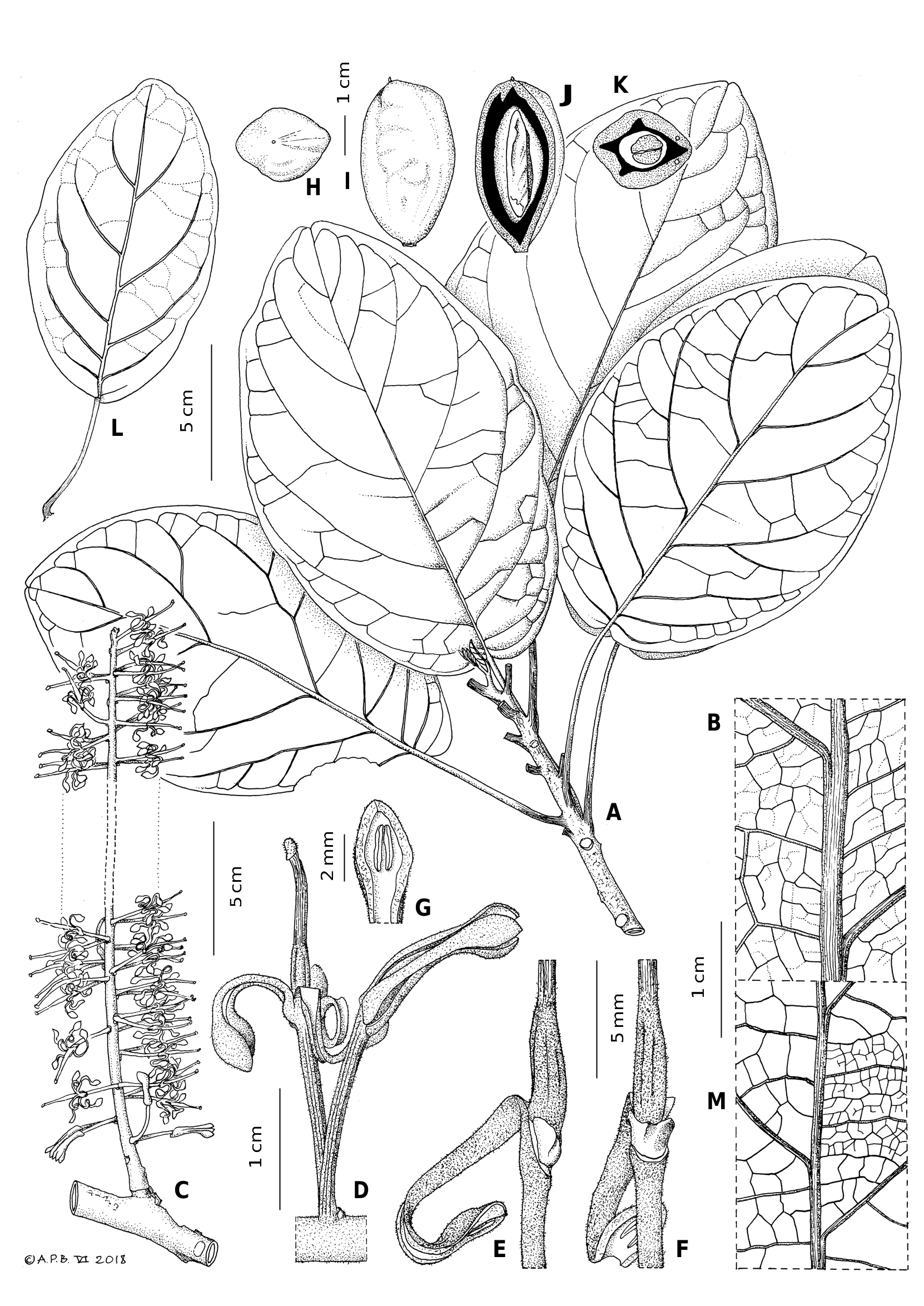
Leucadendron salignum, known as the Common Sunshine Conebush, is an evergreen, dioecious shrub in the Proteaceae family. It grows up to 2 metres tall and is native to the Cape Provinces of South Africa. The plant regenerates from an underground rootstock after wildfires, which are common in its fynbos habitat. It flowers from April to November and is pollinated by beetles. Seeds are retained in woody cones until released by fire and dispersed by wind. It is one of the most common Proteaceae species in South Africa and is listed as Least Concern in terms of conservation status.
Description
Leucadendron salignum is a shrub with multiple stems that can reach 2 metres in height. It is adapted to the fynbos biome, where it survives periodic wildfires by regrowing from an underground rootstock. The species flowers from April to November and relies on beetles for pollination. Its seeds are stored in woody cones and are released after a fire, then dispersed by wind. It is widely distributed across the Northern Cape, Western Cape, and Eastern Cape provinces. First described by P.J. Bergius in 1766, it is considered the most common species in the Proteaceae family in South Africa.
Other common names
Common Sunshine Conebush
Distribution
Global · Cape Provinces